
Last updated October 31, 2026
 Home additions & ADU
 Kitchen remodeling
 Bathroom remodeling
 Roofing
 Windows & doors
 Driveway & pavers
 Fence
Free written scope consultation - allowances, timeline, and change-order rules on paper before a single trade is scheduled
General Contractor Maintenance Checklist for Garden Grove Homeowners
Most maintenance checklists floating around the internet were written for a generic American house in a humid climate. Garden Grove is different. UV radiation here doesn’t just fade paint; it cooks caulk until it becomes brittle powder. Santa Ana wind events don’t simply scatter leaves; they lift shingle edges and drive sand into weep holes. And the expansive clay soils beneath much of Garden Grove don’t settle gradually; they heave and contract with moisture swings that can open hairline cracks into quarter-inch separations within a single season. This guide is built around what actually fails first in Garden Grove homes, what those failures cost when ignored, and the inspection calendar that catches them before they become five-figure repairs.
Styles & brands we work with
- Kitchen remodeling
- Bathroom remodeling
- Home additions & ADU
- Roofing
- Windows & doors
- Driveway & pavers
- Fence
Quick Answer
A Garden Grove home needs a maintenance calendar that front-loads inspections before winter rain season and follows every Santa Ana wind event. The highest-value tasks are exterior sealant audits every 6 months, gutter and drainage verification before November, roof and fascia inspection after any wind event over 40 mph, and a foundation crack log that tracks movement in Garden Grove’s expansive clay soil. Plan on spending roughly $300 to $600 per year on inspections and minor sealant work. For more guides & resources on protecting your home, explore our blog. That’s the insurance premium against the $18,000 repair that deferred maintenance eventually produces.
Table of Contents
- The UV and Thermal Swing Sealant Audit: Why 12-Month Intervals Fail in Garden Grove
- Santa Ana Wind Event Protocol: Roof, Fascia, and Eave Inspection
- Reading Cracks in Garden Grove Clay: Foundation and Soil Movement Monitoring
- Winter Rain Season Prep: Drainage and Hardscape Grading Audit
- The Warranty Trap: Maintenance Tasks That Void Manufacturer Coverage
- Interior Systems That Fail Silently: Plumbing, HVAC, and Attic Ventilation
- The Garden Grove Seasonal Maintenance Calendar
- Common Mistakes to Avoid
- When to Call a Professional
- Frequently Asked Questions
- The Bottom Line
The UV and Thermal Swing Sealant Audit: Why 12-Month Intervals Fail in Garden Grove
Standard home maintenance advice says to check exterior caulk once a year. In Garden Grove, that schedule is wrong. We see sealant failure in 9 months or less on south-facing and west-facing elevations. The combination of intense UV exposure, which breaks down polymer bonds in even high-end caulks, and daily thermal swings that can exceed 30 degrees during Santa Ana periods forces sealant beads to flex hundreds of times per season. Eventually the material loses elasticity and separates from the substrate. The separation may be invisible to a walk-by glance, but it opens a channel for water intrusion.
The audit itself is straightforward once you know what failure looks like. We recommend walking the perimeter twice a year: once in March after winter rains and once in September before the wet season begins. On each pass, you’re looking for five specific conditions:
- Pulled-away beads: Caulk that has separated from either side of the joint it seals, especially around window frames and door thresholds.
- Crumbling or chalky sealant: UV-damaged caulk leaves a powder on your fingertip when touched. If it chalks, it’s already failed as a water barrier.
- Gaps at trim transitions: Where stucco meets wood trim, where window flanges meet siding, and where fascia boards meet eave soffits.
- Discoloration or mold lines: Dark streaking beneath a caulk line usually means water is already getting behind the sealant and running down the sheathing.
- Hardscape-to-structure joints: The seam where a concrete walkway or patio meets the foundation wall moves independently during soil expansion and contraction.
The fix for most of these is not simply adding more caulk on top. Failed sealant needs to be cut out, the joint cleaned and dried, and a fresh bead installed with proper backer rod behind it. We specify sealants rated for high-UV climates, typically hybrid polymer or high-quality silicone formulas with documented movement capability. The material cost difference between a $4 tube and an $18 tube is roughly $14, but the lifespan difference in Garden Grove is measured in years, not months. This is one of those decisions where product selection matters more than application technique.
Santa Ana Wind Event Protocol: Roof, Fascia, and Eave Inspection
Santa Ana winds are the single most underappreciated destructive force for Garden Grove residential roofs. The winds arrive from the northeast, which means they hit roof slopes and eave lines at angles that normal southern California weather never tests. A roof that survives a decade of mild coastal breezes can lose shingles, lift flashing, and crack fascia boards in a single sustained Santa Ana event with gusts above 50 mph.
Most homeowners know to look for missing shingles. What they miss are the subtler failures that lead to leaks weeks after the wind dies down. In our experience, the post-Santa-Ana inspection should happen even when everything looks fine from the street. Here’s the checklist we follow after any wind event over 40 mph in Garden Grove:
- Walk the roofline from at least four vantage points. Left, right, front, and back. Look for shingles that are lifted at the edges, not just missing ones. A lifted shingle can’t be seen from directly below, but it leaves the underlying seal strip exposed to the next rain.
- Inspect flashing at all roof penetrations. Plumbing vents, furnace flues, skylights, and chimney crickets. Santa Anas work loose the nails and sealant that hold flashing in place. A flashing that’s lifted by a half inch is an open invitation for water.
- Check the drip edge along the entire eave line. Wind-driven rain will find any gap where drip edge has been loosened. You’re looking for gaps between the metal edge and the fascia board, or sections where the drip edge has been bent upward.
- Examine fascia and soffit boards for cracks or separation. The wind loads during Santa Ana events can flex eave assemblies enough to crack painted fascia boards. Cracked fascia exposes raw wood, which then wicks moisture during rain events.
- Look for granule loss on asphalt shingles. Heavy wind scours the protective granules off shingle surfaces, especially on the windward-facing slopes. Granule loss accelerates UV degradation, shortening the roof’s lifespan by years if left unaddressed.
- Check gutters and downspouts for wind damage and debris. Santa Anas drive leaves, twigs, and palm fronds into gutters at rates that normal weather doesn’t. The debris load after a wind event is often enough to cause overflow during the next rain, even when gutters were clean the week before.
If you have a GAF or CertainTeed roof system installed within the last decade, pay particular attention to edge details. These manufacturers build their warranty coverage around proper installation and maintenance, and wind-related damage that goes unreported can complicate a future warranty claim. Document any damage with photos before repairing it. That photographic record is critical if a manufacturer asks for evidence of progressive damage.
Reading Cracks in Garden Grove Clay: Foundation and Soil Movement Monitoring
Garden Grove sits on a mix of soil types, but a significant portion of the residential land contains expansive clay. Expansive clay absorbs water and swells during wet seasons, then contracts and shrinks during dry periods. This annual cycle of swelling and shrinking applies vertical and lateral pressure to foundations, slabs, and hardscape surfaces. The result is not always catastrophic movement, but it is almost always visible movement, and the patterns tell you what’s happening beneath your house.
The first step is establishing a baseline. If you haven’t been documenting cracks, start now. Use a grease pencil or permanent marker to mark the end of each crack on the interior and exterior of your foundation walls, stem walls, and garage slabs. Write the date next to each mark. Then measure and photograph each crack monthly, or at minimum quarterly. What you’re building is a log of movement over time, and that log is what separates a cosmetic crack from a structural one.
Here’s how to read what you’re documenting:
- Hairline cracks under 1/16 inch that appear in stucco or drywall and don’t grow over 12 months are almost always cosmetic, caused by normal thermal expansion and minor soil movement.
- Cracks between 1/16 and 1/8 inch that appear and widen during dry summer months, then close slightly after winter rains, indicate seasonal soil movement. This pattern is common on Garden Grove homes built before modern foundation reinforcement standards.
- Cracks over 1/8 inch that grow steadily in one direction, or cracks that produce offset where one side of the crack is visibly higher or lower than the other, are structural red flags. These need a foundation specialist, not a DIY patch.
- Diagonal cracks radiating from window or door corners are often the first sign of uneven settlement. The opening creates a stress point, and the soil movement concentrates force there.
- Stair-step cracks in brick veneer or block walls follow mortar joints in a pattern that indicates differential settlement. This is a classic expansive-clay signature.
One detail specific to Garden Grove: irrigation proximity matters. If you have lawn or planting beds directly against the foundation on one side of the house but not the other, you’re creating an artificial moisture differential in the soil. The wet side swells, the dry side doesn’t, and the foundation sees uneven pressure. Simple fixes like converting foundation-adjacent planting to drought-tolerant landscaping or installing a drip system that keeps water 18 inches away from the stem wall can reduce movement noticeably.
Winter Rain Season Prep: Drainage and Hardscape Grading Audit
Southern California gets most of its annual rainfall in a handful of winter storm events, which means the drainage system around your home has to handle concentrated water volume with months of disuse in between. Gutters that worked fine during a light drizzle can be overwhelmed in a three-inch storm if they’ve been accumulating debris since April. And hardscape areas that were graded correctly when installed can silently shift over time, changing the direction water flows.
The drainage audit doesn’t require any special equipment or professional help. Here’s the step-by-step process we recommend for Garden Grove homeowners every October:
- Clean every gutter and downspout by hand. Don’t rely on a visual check from the ground. Palm fronds, eucalyptus leaves, and wind-blown debris can compact into gutters in ways that look fine from below but prevent effective water flow. A clogged gutter overflows against the fascia and eave, soaking the roof sheathing from underneath.
- Run a hose at full volume through each downspout. You’re testing three things: that the downspout itself isn’t clogged, that the extension or splash block directs water away from the foundation, and that the water actually flows somewhere other than pooling against the stem wall.
- Walk every hardscape surface at ground level. Patios, walkways, driveways, and pool decks. Look for any area where the surface has settled or shifted enough that water would run toward the house instead of away from it. Even a quarter-inch slope reversal over a 10-foot run can direct hundreds of gallons against the foundation during a storm.
- Check the soil level against the foundation. In Garden Grove, planting beds and mulch will gradually build up grade over time. If the soil line is within 4 inches of the top of the foundation wall, or if it slopes toward the house anywhere, water will follow that slope. Pull soil back and re-grade so water moves away from the structure.
- Inspect hardscape control joints and expansion joints. Belgard and other paver installations rely on properly sealed joints to keep water out of the sub-base. Joints that are washed out or have vegetation growing through them need to be cleaned and re-sanded with polymeric sand before the rain season.
- Test area drains and channel drains. Pour five gallons of water into each drain and watch what happens. If it backs up, you have a blockage that will cause localized flooding during a real storm.
The cost of this drainage audit is essentially zero aside from an afternoon of time. The cost of skipping it often shows up as water intrusion through the foundation wall, which leads to mold, wood rot in framing, and soil heave that compounds existing crack patterns. If you find grading problems that require re-sloping, that’s a hardscape repair project, but it’s a dramatically smaller cost than the foundation repair it prevents.
The Warranty Trap: Maintenance Tasks That Void Manufacturer Coverage
Here’s a scenario we see regularly in Garden Grove. A homeowner files a warranty claim on a 6-year-old roof. The manufacturer’s representative comes out, inspects the installation, and denies the claim not because of a manufacturing defect, but because the homeowner skipped documented maintenance requirements. The warranty didn’t fail. The homeowner voided it through neglect. This is avoidable, but only if you know what the warranty actually requires.
Major manufacturers build maintenance requirements into their warranty language, and courts consistently uphold those requirements. The patterns are consistent across manufacturers. For roofing systems from GAF or CertainTeed, the typical requirements include documented annual inspections, clearing debris from valleys and behind chimneys, and repairing minor damage promptly. Skipped maintenance doesn’t void the entire warranty, but it gives the manufacturer grounds to deny a claim that would have been preventable through the required maintenance.
For windows, the warranty often requires that weep holes remain clear and functional. Weep holes are the small openings at the bottom of window frames that allow water that infiltrates the track to drain out rather than accumulating. In Garden Grove, wind-blown dust and spider webs clog these holes regularly. A clogged weep hole leads to water pooling in the frame, which corrodes hardware and eventually leaks into the wall cavity. When that happens, the manufacturer will point to the clogged weep hole as a maintenance failure, and they’ll be right.
James Hardie siding warranties require that the siding be kept clean and that any penetrations be properly sealed. The UV and thermal cycling in Garden Grove accelerates sealant failure around siding penetrations, which means the 6-month sealant audit from earlier in this guide is doing double duty. It’s protecting your wall assembly from water intrusion and it’s preserving your warranty coverage.
What this means practically is that maintenance is part of the product’s cost of ownership. When you install a premium roofing system or a fiber-cement siding package, you’re buying a product designed to last decades, but you’re also accepting a maintenance contract that the warranty binds you to. Set calendar reminders for the required inspections. Document everything with photos. Those records are what convert a 30-year warranty from marketing copy into an enforceable contract.
Interior Systems That Fail Silently: Plumbing, HVAC, and Attic Ventilation
Exterior maintenance gets the attention because the damage is visible. But three interior systems fail silently in Garden Grove homes and produce repair bills that homeowners never see coming. The common thread among them is that the homeowner doesn’t know anything is wrong until the failure is complete.
Plumbing supply lines and stops. Garden Grove has hard water with high mineral content. Over time, mineral buildup corrodes brass stops, angle valves, and supply lines at the connection points. The failure mode is often sudden and catastrophic: a valve that’s been quietly corroding for fifteen years gives way when you try to shut it off during a leak, or a supply line bursts at the coupling. The maintenance task here is simple: exercise every shutoff valve in the house twice a year. Turn them off and on fully. If a valve is frozen or shows green corrosion at the packing nut, replace it before it becomes an emergency. The parts are inexpensive; the water damage from a burst line is not.
HVAC condensate drains. Your air conditioner produces gallons of condensate during Garden Grove summer months. That water drains through a PVC line that runs from the indoor air handler to the outside. When it works, you never think about it. When it clogs, the water backs up into the drain pan, then overflows into the ceiling or the attic. The maintenance task is flushing the condensate line with a cup of white vinegar or a commercial algaecide every 3 months during cooling season. The algaecide prevents the biological growth that’s the primary cause of clogs. If you hear gurgling from the drain pan or see water staining around the air handler, address it immediately.
Attic ventilation and moisture. Garden Grove attics get hot. Our summer temperatures routinely push attic temperatures over 140 degrees. If the attic ventilation system isn’t moving enough air, that heat accelerates shingle degradation from underneath, shortens the life of HVAC ductwork, and forces your air conditioner to work harder. The maintenance task is an annual attic inspection looking for blocked vents, separated duct connections, and signs of animal intrusion. Raccoons and rodents love Garden Grove attics, and they’ll tear open duct insulation, chew wiring, and introduce moisture through urine and droppings. If your cooling bills have climbed year over year while outdoor conditions haven’t changed, suspect attic ventilation or damaged ductwork.
The Garden Grove Seasonal Maintenance Calendar
Here’s the year mapped out by what actually needs to happen in Garden Grove, season by season. This isn’t a generic four-seasons guide; it’s tuned to our rain patterns, wind events, and temperature cycles.
January through March: Post-Rain Assessment
- Inspect all exterior walls for water staining after winter storms.
- Re-check the foundation crack log for movement changes.
- Flush sediment from water heater and check the anode rod.
- Clean gutters after the last significant rain event.
- Inspect attic for moisture or staining after the wettest months.
April through June: Pre-Summer Preparation
- Complete the first exterior sealant audit of the year.
- Flush HVAC condensate lines before cooling season begins.
- Service the AC system and change filters.
- Inspect and clean all window weep holes.
- Check irrigation systems for leaks and adjust coverage away from foundation.
July through September: Peak UV Season
- Complete the second exterior sealant audit.
- Monitor foundation cracks during peak soil shrinkage.
- Inspect roof for UV-related granule loss and cracking.
- Clean gutters and test drainage before fall winds arrive.
- Check attic temperatures on hot afternoons; if above 150 degrees, evaluate ventilation.
October through December: Wind and Rain Season
- Complete the full drainage and hardscape grading audit.
- Inspect roof, fascia, and eaves after every Santa Ana wind event over 40 mph.
- Verify all downspouts discharge at least 5 feet from foundation.
- Test all exterior lighting and GFCI outlets.
- Document everything with photos for warranty records.
The calendar assumes maintenance is ongoing, not something you tackle in one weekend. Most items on this list take under an hour. The exceptions, like the roof inspection after a wind event, might take an afternoon if you’re thorough. The cumulative time investment is roughly two weekends per year.
Common Mistakes to Avoid
- Treating caulk as a one-time event. In Garden Grove’s UV environment, caulk is a consumable product with a lifespan measured in months to years, not decades. Refreshing sealant every 6 to 12 months is normal maintenance, not a sign of a bad installation.
- Painting over cracks without documenting them first. Many homeowners patch and paint foundation cracks to make the problem invisible. That destroys the evidence you need to track movement. Document first, then patch if appropriate.
- Waiting for a visible leak before repairing roof damage. A lifted shingle or damaged flashing often doesn’t leak immediately. By the time water shows up on your ceiling, the damage underneath has been accumulating for months. Repair wind damage when you find it, not when it starts leaking.
- Ignoring small drainage problems. A downspout that discharges against the foundation or a low spot in the patio that ponds after rain seems minor. Over multiple wet seasons, that water migrates into your foundation soil and changes its behavior.
- Using the wrong sealant for the wrong joint. Not all caulk works on all materials. Using painter’s caulk on an exterior joint that sees movement means the bead fails within a season. Match the sealant to the joint’s movement and UV exposure requirements.
- Assuming newer homes don’t need maintenance. A recently built home has materials that are still settling, sealants that are curing, and soil around the foundation that hasn’t stabilized. New homes in Garden Grove often need more attention in their first 5 years than homes built in the 1970s.
- Skipping documentation for warranty purposes. Manufacturer warranties assume you’re doing the maintenance. If you can’t prove you did it, the warranty is weaker than you think. Photos, dates, and records are your protection.
When to Call a Professional
Most of the maintenance in this guide is designed for homeowner completion. But there are thresholds where professional eyes make financial sense. If foundation cracks exceed 1/8 inch and are growing, call a foundation specialist before you call a handyman. If you see roof sagging, which appears as a dip or wave in the ridge line or the plane of the roof, that’s a structural issue requiring a general contractor. If multiple sealant failures are recurring even with proper materials and application, there may be a moisture or drainage issue behind the surface that needs investigation. If you’ve had a significant Santa Ana wind event and you can see multiple lifted shingles or flashing failures, a professional roof inspection will catch what a ground-level view misses. If your drainage audit reveals systemic grading problems, re-sloping is a hardscape project. Garden Grove Contractors offers free estimates in Garden Grove for maintenance-related repairs and comprehensive inspections. Call (877) 373-9230 to schedule yours.
Frequently Asked Questions
Most Garden Grove homeowners spend between $300 and $900 per year on maintenance materials and minor professional repairs, assuming the home is in generally good condition. The bulk of that budget goes to sealants, gutter cleaning, HVAC filters, and occasional professional inspections. Homes that defer maintenance for 3 or more years often face catch-up costs of $3,000 to $8,000 for deferred items. Call (877) 373-9230 for a free estimate on any maintenance item you’ve been putting off.
Inspect your roof at least twice a year from the ground, and after every Santa Ana wind event with gusts over 40 mph. Garden Grove’s wind events cause roof damage that accumulates between major storms, and UV exposure degrades shingles faster than in coastal communities. A professional roof inspection every 2 to 3 years is worth the cost on homes with roofs older than 10 years.
Foundation drainage is the most expensive skipped maintenance item. Poor drainage around the foundation in Garden Grove’s expansive clay soil leads to cracks, structural movement, and repair bills that start around $8,000 and can exceed $30,000. The drainage audit that prevents this costs nothing but an afternoon.
Routine maintenance like caulking, gutter cleaning, and paint generally doesn’t require permits in Garden Grove. Repairs that involve structural changes, plumbing system modifications, or electrical work typically do require permits. Your general contractor should handle permit requirements as part of the project.
Foundation cracks are serious when they exceed 1/8 inch in width, produce visible offset where one side is higher than the other, or grow steadily over a 6-month observation period. Hairline cracks that don’t grow are usually cosmetic. Document cracks monthly for at least one full year to establish your home’s movement pattern.
Before selling in Garden Grove, address exterior sealant failures, complete the drainage audit, repair any visible foundation cracking, clean and document the roof condition, and service the HVAC system. These are the items that home inspectors flag most often in our market, and they directly affect your sale price. A pre-sale maintenance remodel can often recover its cost multiple times over in a Garden Grove sale.
The Bottom Line
The maintenance burden in Garden Grove is real, but it’s measurable and manageable when you build the calendar around what actually fails here. UV radiation degrades sealants faster than standard advice accounts for. Santa Ana winds create roof damage that demands post-event inspection. Expansive clay soil produces foundation movement that must be tracked, not ignored. Winter rain storms expose drainage problems that can be caught in October. And manufacturer warranties only pay out when you can document that you held up your end of the maintenance contract. The homeowner who spends two weekends a year on this checklist is buying insurance against the $18,000 repair. The homeowner who skips it is financing that repair on an installment plan they never agreed to.
Written by the team at Garden Grove Contractors, serving Garden Grove since 2017. For more information on home renovation in Garden Grove, contact us at (877) 373-9230.
See the difference
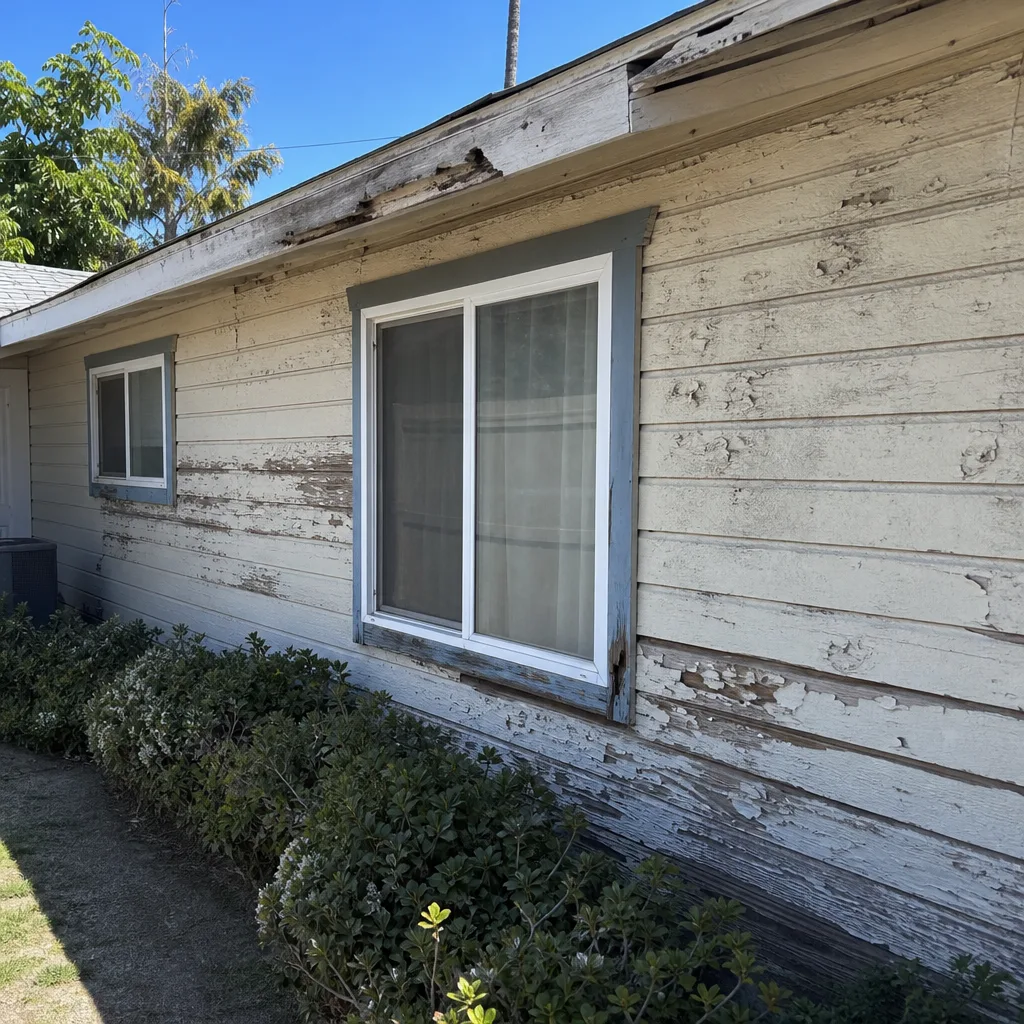 Before
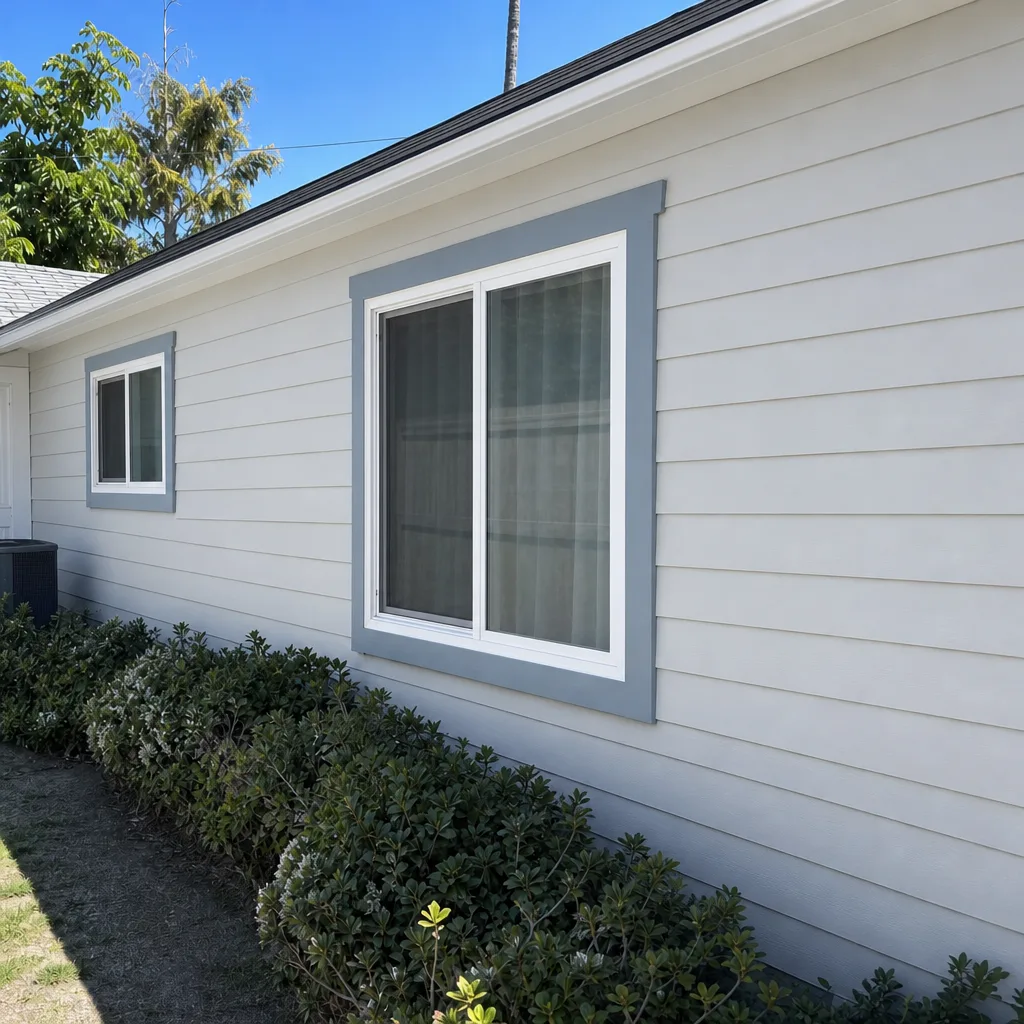 After
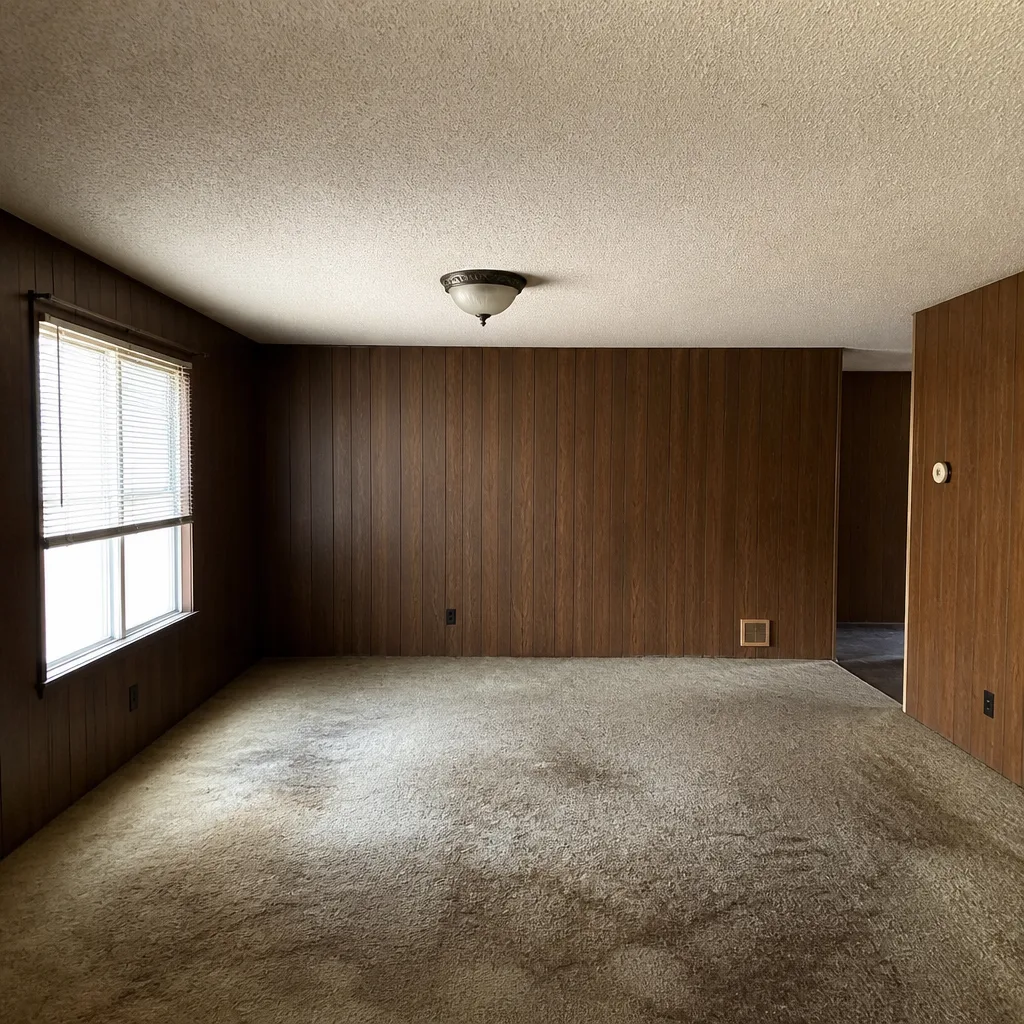 Before
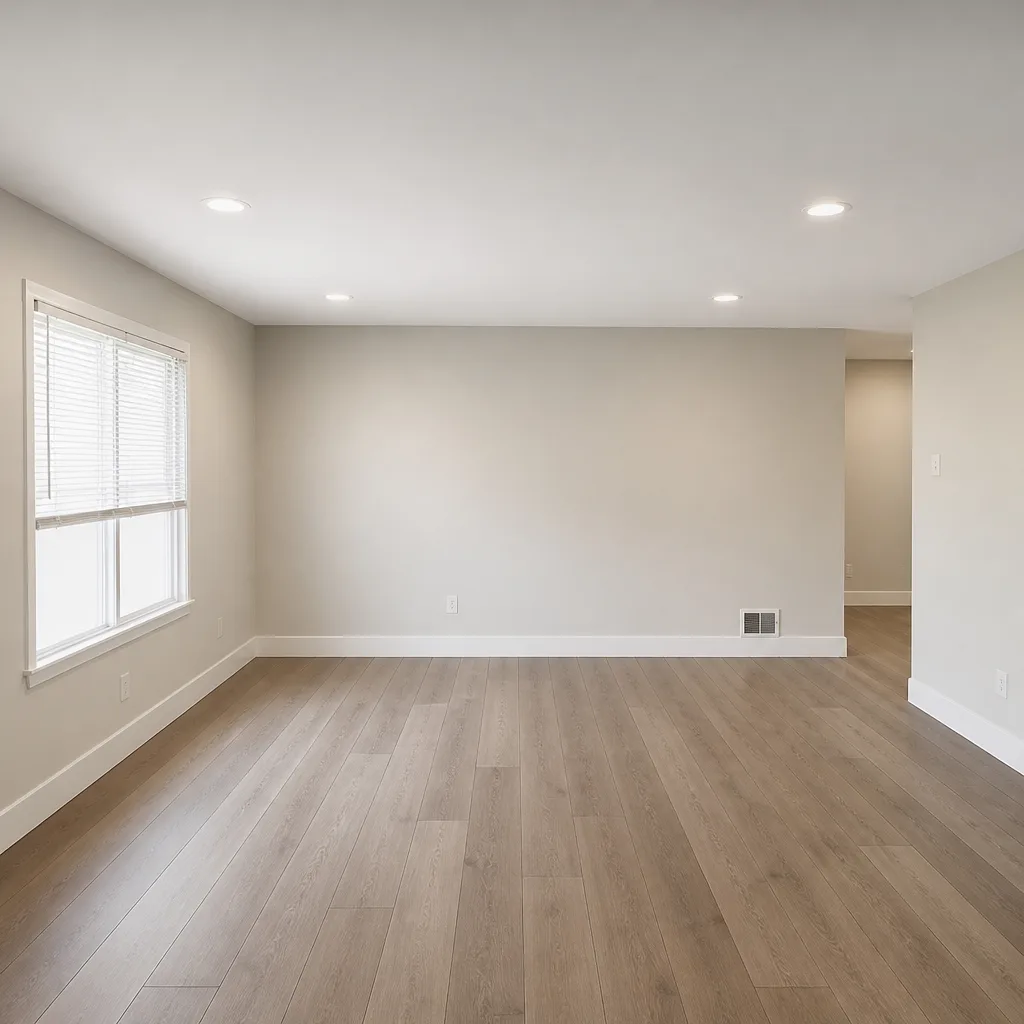 After
 Before
 After