
Last updated October 31, 2026
 Home additions & ADU
 Kitchen remodeling
 Bathroom remodeling
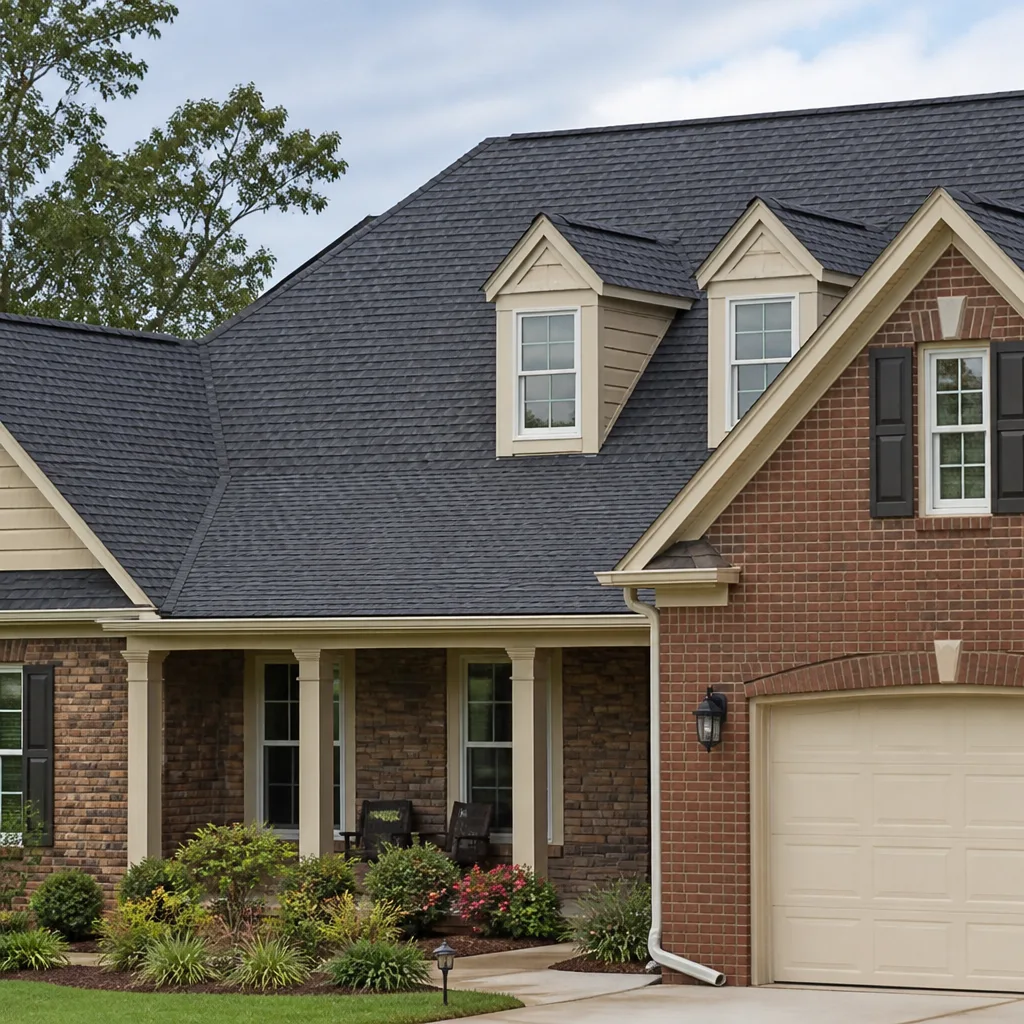 Roofing
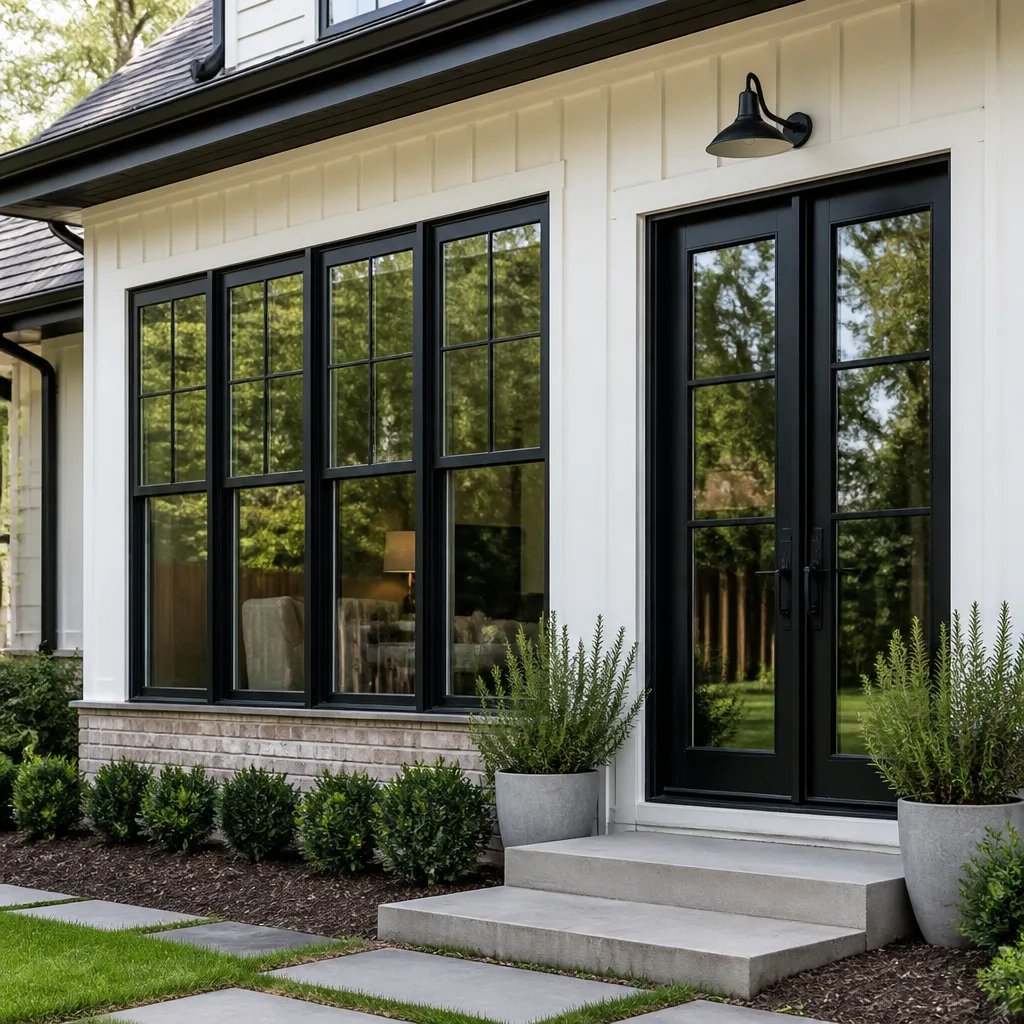 Windows & doors
 Driveway & pavers
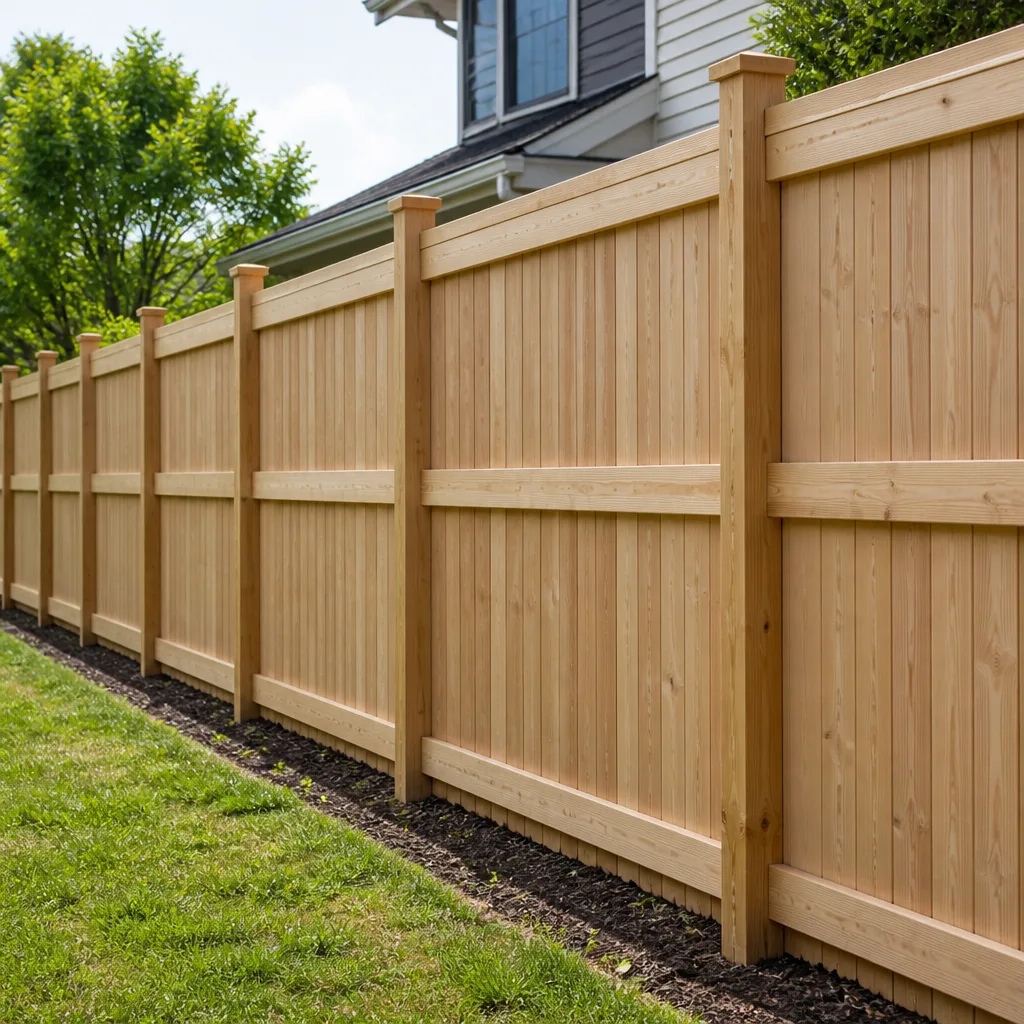 Fence
Free written scope consultation - allowances, timeline, and change-order rules on paper before a single trade is scheduled
Seasonal Construction Care for Garden Grove: Year-Round Homeowner’s Guide
Garden Grove homeowners who skip fall maintenance because “it doesn’t really get cold here” are usually the ones calling a roofer in January when the first significant rain of the year finds every deferred leak at once. We see it every winter: the phone rings, the ceiling is stained, and the flashing that showed early wear in October has now been overwhelmed by three consecutive days of rain. Our complete guide to construction in Garden Grove replaces the East Coast seasonal model with one built around Southern California’s actual climate rhythm. You’ll learn the four stress cycles that actually affect homes in Garden Grove, when to inspect for each one, and how to time major exterior work so it gets done before the weather forces the issue. We built this from direct field experience with remodeling and renovation projects across Garden Grove.
Quick Answer
Seasonal construction care in Garden Grove, CA follows four stress cycles, not four traditional seasons: the Santa Ana wind season (October through December), the concentrated rain season (January through March), post-rain assessment (April and May), and intense UV exposure (June through September). The most important maintenance windows are late September before wind season and early October through December, when the mild fall weather creates the optimal construction window for roofing, siding, and exterior upgrades. The single most valuable habit for Garden Grove homeowners is an October roof and flashing inspection, because failures there account for the majority of winter water intrusion calls in this area, as detailed in our complete general contractor guide for Garden Grove homeowners.
Styles & brands we work with
- Kitchen remodeling
- Bathroom remodeling
- Home additions & ADU
- Roofing
- Windows & doors
- Driveway & pavers
- Fence
Table of Contents
- The Santa Ana Wind Season: What to Inspect Before October
- Winter Rain Readiness: Managing 12 Inches of Water in 8 Weeks
- Spring Post-Rain Assessment: Finding What Water Left Behind
- Summer UV and Heat Management: Roofing, Fencing, and Decking
- Why Garden Grove’s Mild Fall Is the Optimal Construction Window
- Timing Multi-Phase Renovation Projects Across the Year
- Seasonal Material Selection: What Performs in Garden Grove’s Climate
- Common Mistakes to Avoid
The Santa Ana Wind Season: What to Inspect Before October
Santa Ana winds start as early as late September and run through December, with gusts that regularly exceed 40 mph in Garden Grove and occasionally push past 60. These winds don’t just rattle fences; they exploit every loose shingle, every cracked sealant joint, and every gate post that’s lost its bearing. The pre-Santa Ana season check should happen in the last two weeks of September, before the first high-wind event of the year.
Here’s the inspection sequence we use on every exterior assessment in Garden Grove:
- Roof surface and ridge line: Check for lifted or missing shingles, exposed fasteners, and cracked ridge caps. High winds start at the ridge; if a shingle lifts there, it starts a peeling sequence that removes an entire slope.
- Flashing at transitions: Chimney flashing, pipe collars, valley intersections, and the transition where roof meets wall. Wind-driven rain enters at these joints before it ever penetrates the shingle field.
- Fence posts and gate hardware: Wood posts set in soil loosen over time as irrigation cycles wet and dry the surrounding earth. A post that wiggles under hand pressure will fail under 50 mph gusts. Check gate hinges and latch hardware for corrosion at the fastener points.
- Exterior fixtures and trim: Light fixtures, electrical boxes, downspout brackets, and fascia trim. Any component that has worked loose becomes a projectile in a wind event.
- Patio covers and shade structures: Inspect attachment points where posts meet concrete and where beams meet the house. These connections carry massive uplift loads during Santa Ana events.
Garden Grove sits in a wind corridor that funnels Santa Ana gusts through the canyons and across the flat residential grid. We regularly see neighborhoods east of Brookhurst Street get hit harder than areas closer to the 405, but no home in Garden Grove is truly sheltered. The cost of a pre-season inspection is trivial compared to the cost of water intrusion that follows a wind-damaged roof into the rain season.
Winter Rain Readiness: Managing 12 Inches of Water in 8 Weeks
Garden Grove averages about 12 inches of rain per year, but most of it arrives between January and March in concentrated storm events. That means drainage systems sit dry for nine months and then get asked to handle an inch of water in a single afternoon. Dry systems are exactly where problems hide: cracked downspout fittings, clogged subsurface drains, settled soil that now pitches toward the foundation, and sealant joints that cured incorrectly in the heat and never got tested.
The winter readiness list for Garden Grove homes should include:
- Downspout termination: Extend downspouts at least 4 to 6 feet from the foundation. Garden Grove’s clay-heavy soil expands when wet; water ponding at the stem wall puts hydrostatic pressure on the foundation and eventually finds a path into the crawlspace.
- Window and door sealant: Check the bead line at window perimeters, door thresholds, and where stucco meets trim. Southern California sealants degrade from UV before they degrade from moisture, so visible cracking usually means the seal has already failed. Rain finds these gaps quickly.
- Chimney and roof penetrations: The pipe collars on plumbing vents and attic vents are rubber compounds that shrink and crack under Garden Grove’s dry heat. A collar that looks fine in September can split wide by the time January rain arrives.
- Scupper and gutter flow: Flat-roof sections and patio covers drain through scuppers that clog with leaves and debris from late summer Santa Ana winds. Clear them before the first rain, not after water starts pooling.
One detail most homeowners miss: Garden Grove’s rain almost always arrives with wind, not as a calm vertical soak. That means water flows sideways across wall surfaces and finds entry at the top edge of windows, behind lap siding, and through air gaps at soffit intersections. Traditional “rain readiness” advice focuses on roof drainage; around here, the wall assembly matters just as much as the roof plane.
Spring Post-Rain Assessment: Finding What Water Left Behind
April and May in Garden Grove are when the rain season’s damage becomes visible. Water that entered a wall in February dries through the spring and leaves evidence: efflorescence on stucco, bubbling paint, soft drywall, or a persistent musty smell in a room that sits closed up during warm spells. The post-rain assessment is not about preventing future leaks; it’s about determining whether this year’s rain reached structural framing or stayed in the finish layers.
What to look for after the rain season ends:
- Stucco staining or hairline cracks near window heads: These indicate water entered at the window flashing and traveled down the wall cavity. If the crack is just cosmetic, it’s a caulk and paint fix. If the stucco sounds hollow when tapped, water may have compromised the paper backing.
- Ceiling stains that appear weeks after the rain: A stain that shows up in March or April often started as a slow drip in January that took weeks to migrate through insulation and drywall. Trace the stain to its source before repainting.
- Crawlspace moisture: Garden Grove homes built on raised foundations are common in the older neighborhoods, and a wet crawlspace after rain tells you that site drainage or foundation vents have failed. Standing water under the house leads to floor joist rot and requires immediate correction.
- Buckled laminate or warped baseboards: Water that runs along a slab and wicks up into the wall plate shows first at the baseboard. This is a sign that water is pooling against the foundation, not just washing past it.
In our experience, the most common post-rain finding in Garden Grove is failed sealant around a window or door combined with a drainage pitch that slopes toward the house. It’s rarely a single catastrophic failure; it’s two small failures that compound. That’s why the spring assessment looks at roof drainage, wall sealant, and site pitch as one interconnected system rather than three separate checkboxes.
Summer UV and Heat Management: Roofing, Fencing, and Decking
Garden Grove’s summer sun is the slow, relentless destroyer that most maintenance advice ignores. UV breaks down asphalt shingles, bleaches wood fencing, and embrittles composite decking in ways that don’t show up until the material fails. The average high from June through September runs in the low 80s, but roof surfaces regularly hit 150 degrees plus, and south-facing walls bake all afternoon.
Here’s what intense Southern California sun does to specific materials and when to act:
- Asphalt shingles: UV exposure accelerates oxidation, which shows as granule loss and curling. A roof in Garden Grove reaches the end of its service life faster than the same roof in a coastal climate with marine layer. Check for granules in the gutters every spring; if they’re accumulating, the shingles are shedding their UV protection.
- Wood fencing: Cedar and redwood fences in Garden Grove fade and check within 12 to 18 months without treatment. A semi-transparent penetrating oil applied every 18 to 24 months extends the fence’s life dramatically. Water-based stains don’t hold up under Garden Grove UV; solvent-based penetrating products perform better.
- Composite decking: Premium composite boards resist UV better than early-generation products, but hot feet are a real issue on south-facing decks in August. If you’re planning a new deck, lighter color boards reduce surface temperature by 15 to 20 degrees compared to dark tones.
- Stucco and paint: South and west walls in Garden Grove lose coating adhesion faster than north and east walls. Expect to repaint sun-exposed elevations on a shorter cycle; if you’re painting, put the better paint on the south wall.
Summer is not a do-nothing season in Garden Grove; it’s the season when exterior materials degrade unseen and set up failures for the wind and rain seasons that follow. A July fence inspection and a September roof inspection work as a pair: the July check catches sun damage, and the September check catches what the wind is about to exploit.
Why Garden Grove’s Mild Fall Is the Optimal Construction Window
Here’s a scheduling insight most homeowners never hear: choosing the right construction brand matters, but timing matters too - the best time to start major exterior work in Garden Grove is October, not spring. The fall window from October through December offers consistent daytime temperatures in the 70s, minimal rain, and predictable wind patterns that a good contractor plans around.
Why Q4 beats spring for exterior construction:
- Dry conditions for sealant and flashing work: Sealant manufacturers specify a minimum cure temperature and a no-rain window. Garden Grove’s fall gives you both. Spring jobs risk a rain delay that leaves a half-completed roof exposed.
- Faster material availability: Roofing, siding, and window manufacturers run production flat out through Q4. Lead times hold steady in the fall and stretch in the spring when every contractor in Southern California kicks off projects simultaneously.
- Completion before rain season: A roof replaced in October faces its first test in January, fully cured and fully installed. A roof replaced in March doesn’t face real rain until the following year, but the work happens in the same window as the rain itself, which means weather delays and compressed schedules.
- Cooler temperatures for trades: Attic work, roof installation, and stucco application are safer and produce better results in mid-70s weather than in mid-90s heat.
If you’re planning a home remodeling in Garden Grove that includes exterior scope like roofing or windows, scheduling the work for late September or October start gives your project the best weather window of the year. The same logic applies to home renovation in Garden Grove that touches the building envelope.
Timing Multi-Phase Renovation Projects Across the Year
Garden Grove homeowners rarely do one thing at a time. The more common pattern is a multi-phase renovation: kitchen and bath this year, roofing and windows next year, maybe an ADU the year after. Timing those phases to the climate rhythm we’ve described is the difference between a project that runs smoothly and one that fights the weather the whole way through.
Here’s the sequencing we recommend for multi-phase work in Garden Grove:
- Exterior envelope first: Roofing, windows, doors, and siding should precede interior finish work. There’s no point installing Cambria quartz countertops if a window leak is going to stain the new cabinets next winter. Exterior-first protects the interior investment.
- Rough plumbing and electrical before surfaces: This is standard construction sequencing, but it matters more in Garden Grove because the window for exterior work is narrow. Get the envelope closed first, then work inside regardless of season.
- Hardscape in spring or fall: Paver installation benefits from stable soil moisture and moderate temperatures. Summer heat makes compaction difficult; winter rain makes drainage work unpredictable. Spring and fall are the sweet spots for Belgard paver patios and walkways.
- ADU and accessory structures on their own timeline: Prefab ADU installation through manufacturers like Abodu or Tuff Shed can proceed year-round since most of the building happens in a factory. Site work and foundation work still follow the weather pattern, but the structure itself is less weather-sensitive than stick-built work.
One contractor managing multiple phases eliminates the scheduling collisions that happen when a roofer, a window company, and a hardscape crew each bring their own calendar. That’s the core value of single-source accountability: the schedule is one schedule, and the phases sequence in the right order.
Seasonal Material Selection: What Performs in Garden Grove’s Climate
Material choice in Garden Grove is a seasonal decision whether you realize it or not. The product that performs beautifully in a mild coastal climate may be the wrong specification for the dry heat, Santa Ana winds, and concentrated rain that define this city.
Material considerations by trade:
- Roofing: Garden Grove’s UV load is severe enough that not all asphalt shingles are equal. We spec roofing products from manufacturers like GAF and CertainTeed based on warranty tier and UV resistance, not just price. Underlayment specification matters more in a Santa Ana wind zone than in most of the country; a high-grade synthetic underlayment with proper fastener schedule is what keeps shingles attached when gusts hit 60.
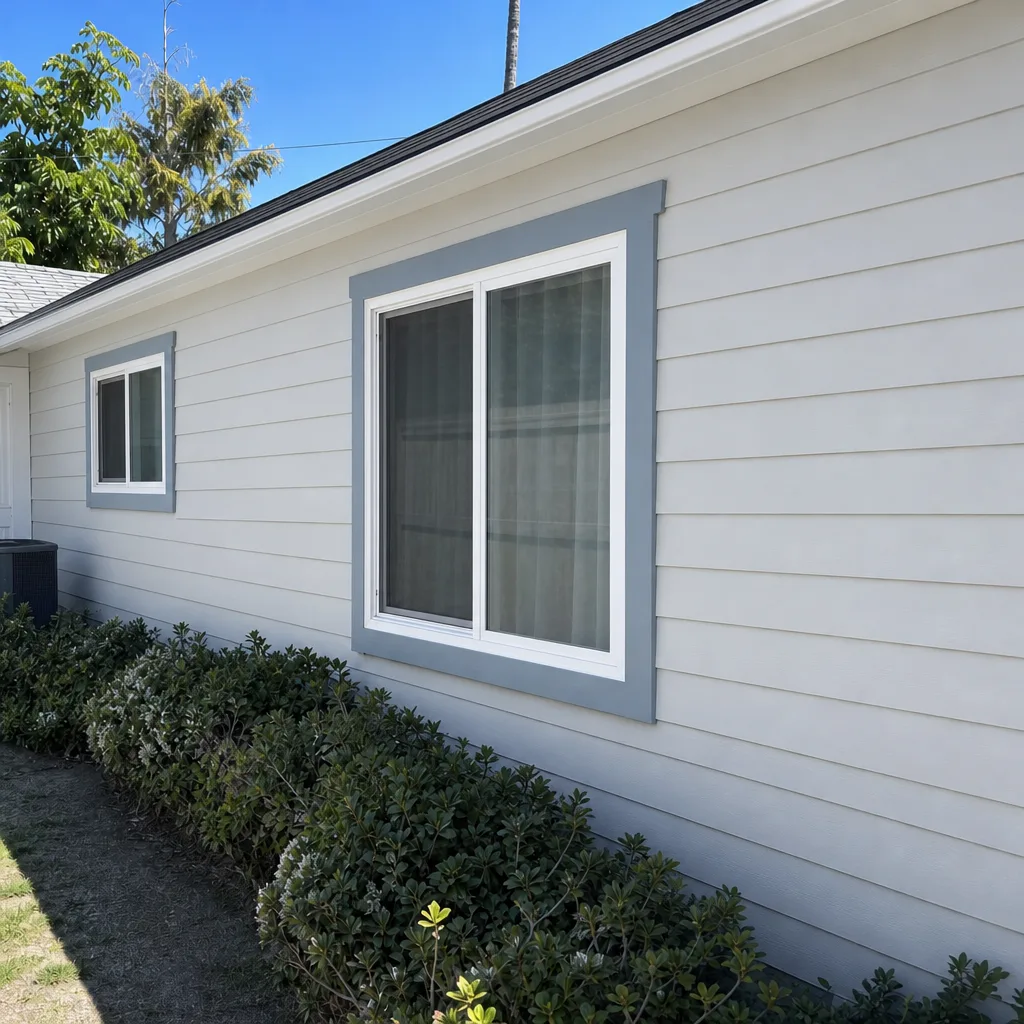
- Siding: James Hardie fiber cement is the benchmark for Garden Grove because it doesn’t warp or melt under south-wall heat and it holds paint through repeated UV cycles. Vinyl siding expands and contracts enough in Garden Grove’s temperature swings that we rarely specify it for full-wall applications.
- Windows and doors: Dual-pane low-E glass makes a measurable difference on west-facing windows in Garden Grove, where afternoon heat gain drives cooling costs. PGT impact-rated products add structural security for wind events without changing the architectural character.
- Hardscape: Belgard and Techo-Bloc pavers hold their color under intense UV better than lower-cost options. The difference in color retention at the five-year mark is visible from the street.
When a client upgrades a bathroom and mentions they’re also thinking about exterior work, we start the conversation with what’s exposed to the weather. The right shower fixtures from Delta or Toto will last decades inside; the wrong roofing specification won’t survive two Santa Ana seasons. Material guidance should happen at the planning stage, not at the emergency repair stage.
Common Mistakes to Avoid
- Waiting until January to think about the roof: By the time the first major rain of the year arrives in Garden Grove, any deferred roof maintenance is already water intrusion. The October inspection window is your affordable fix; the January repair is your expensive one.
- Ignoring sealant until you see water: Sealant failure shows up as a hairline crack long before it shows up as a leak. Replacing sealant is cheap; repairing water-damaged framing behind a window is not. Check every window and door perimeter annually.
- Assuming “mild” weather means no maintenance: Garden Grove’s climate is mild compared to Minnesota, but the specific stressors here (Santa Ana winds, concentrated rain, intense UV) are just as damaging to a home as snow and ice. They just fail differently.
- Running irrigation too close to the foundation: Southern California homeowners over-water, and over-watering creates the same drainage problems as rain. Sprinklers that spray against the stem wall keep the soil saturated year-round, which invites termites, efflorescence, and eventual slab heave.
- Scheduling exterior work for spring out of habit: Most homeowners schedule projects for spring because that’s what they know from other climates. In Garden Grove, fall scheduling avoids rain delays and completes the work before the season that matters.
- Coating a wood fence without preparation: Applying stain over oxidized wood fibers wastes the product. Garden Grove’s UV creates a gray surface layer that must be cleaned or sanded before any coating bonds; skipping that step means recoating in six months.
See the difference
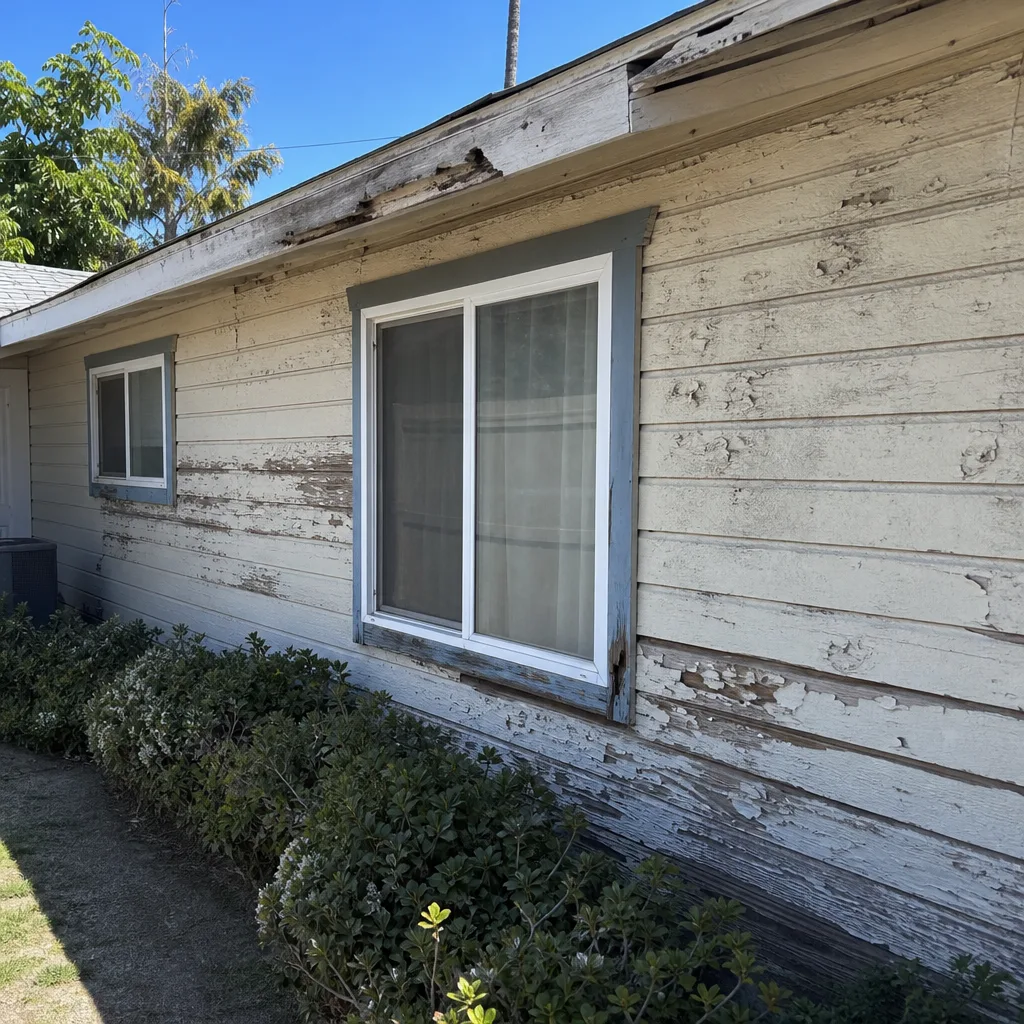 Before
 After
 Before
 After
 Before
 After
When to Call a Professional
Some maintenance items are do-it-yourself work; checking downspouts and clearing debris fall into that category. But there are specific scenarios where a licensed contractor should handle the work: any roof inspection that requires a ladder above the first story, any flashing or sealant failure at height, any crawlspace moisture problem that points to structural framing, and any full-envelope project like roofing, siding, or window replacement. If water has reached the interior of the home, that’s a professional situation regardless of the scope. We’ve repaired enough water damage behind walls to know that what looks like a small stain is often the visible tip of a much larger problem. Garden Grove Contractors offers free estimates in Garden Grove. Call (877) 373-9230 to schedule yours.
Frequently Asked Questions
The most important seasonal task is a roof and flashing inspection in late September, before Santa Ana wind season. This catches the specific failures that lead to winter water intrusion: loose shingles, cracked pipe collars, and compromised flashing at roof transitions. If you do nothing else, do this. Call (877) 373-9230 for a free roof assessment.
Most roof assessments in Garden Grove are free as part of a broader exterior evaluation, which is what we offer. If a contractor charges for an inspection separately, it typically runs $150 to $350, but many waive that fee if you proceed with repairs. The inspection cost is trivial compared to the cost of a leak that reaches interior drywall and framing.
October through December is the optimal window for roofing, siding, windows, and other exterior work in Garden Grove; see our more guides & resources for year-round maintenance tips. The weather is dry, temperatures are moderate, and the project completes before the January through March rain season begins. Spring scheduling invites rain delays and leaves half-completed work exposed to the first storm.
Santa Ana winds fail fences at the post base, where soil has loosened through repeated irrigation wet-dry cycles. A post that moves under hand pressure in September will snap or lean under 50 mph gusts by November. The fix is replacing or re-setting the post before wind season, not after the fence comes down.
Yes. Garden Grove averages about 12 inches of rain annually, but most arrives in concentrated January through March storms. That concentration means drainage systems sit dry for months and then get tested all at once. Waterproofing, flashing, and sealant failures show up in this window, and the damage from one storm event can exceed the cost of a year of preventative maintenance.
Ground-level work like clearing downspouts, checking crawlspace vents, and inspecting fence post stability is homeowner-appropriate. Above-roof work, flashing repair, sealant replacement at height, and any water intrusion response should involve a licensed contractor. The injury risk and the liability risk both justify the professional cost. For a free estimate on any exterior scope, call (877) 373-9230.
The Bottom Line
Garden Grove’s climate doesn’t follow the traditional four-season maintenance calendar, and homeowners who apply the East Coast model miss the windows that matter. The real rhythm here is wind season, rain season, post-rain assessment, and UV season. Each one has specific inspection points and specific failure signatures. The fall construction window from October through December is the most valuable scheduling insight in this guide: it is when the weather cooperates, materials are available, and work completes before the season that tests it. If you take one action from this guide, schedule a roof and flashing inspection before the first Santa Ana wind event. Garden Grove Contractors provides general contractor services in Garden Grove across all exterior and interior scopes. Call (877) 373-9230 to schedule your free estimate.
Written by the team at Garden Grove Contractors, serving Garden Grove since 2017.