
Last updated October 31, 2026
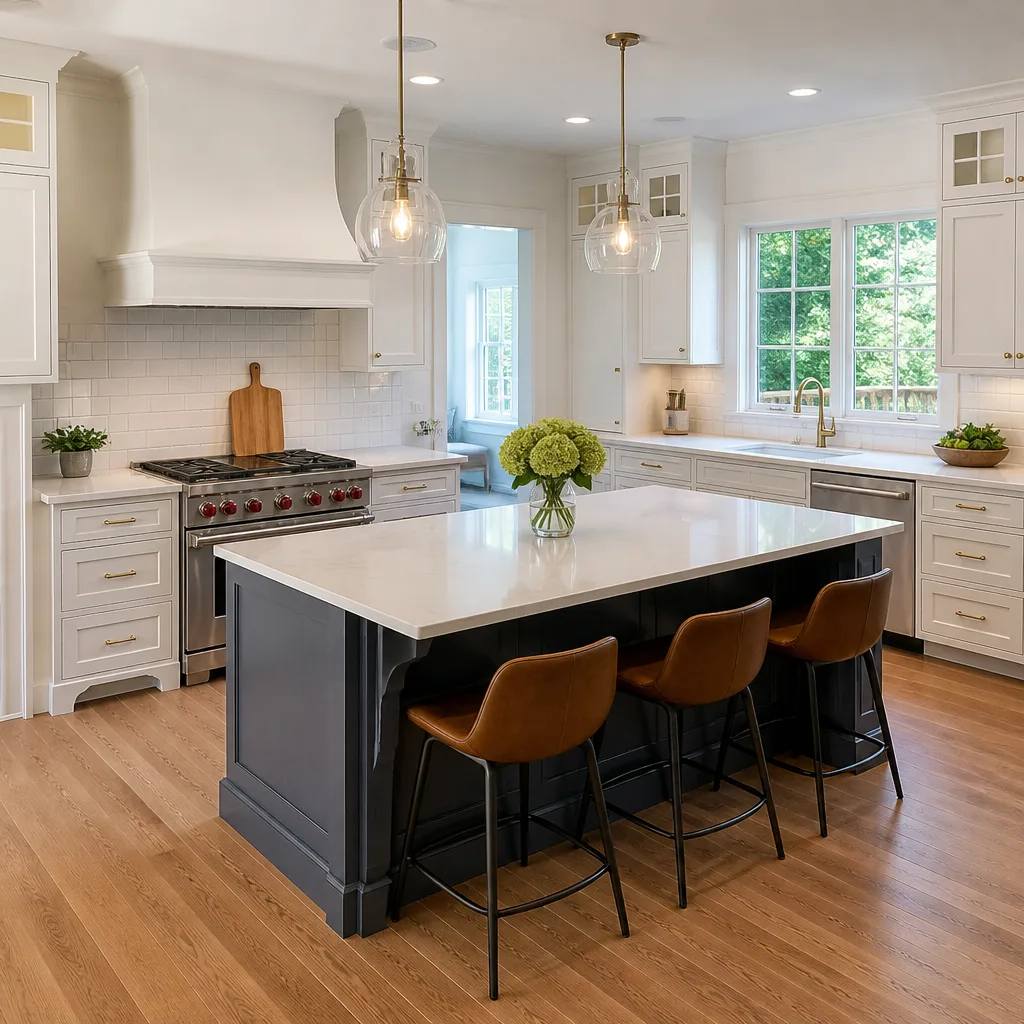 Kitchen remodeling
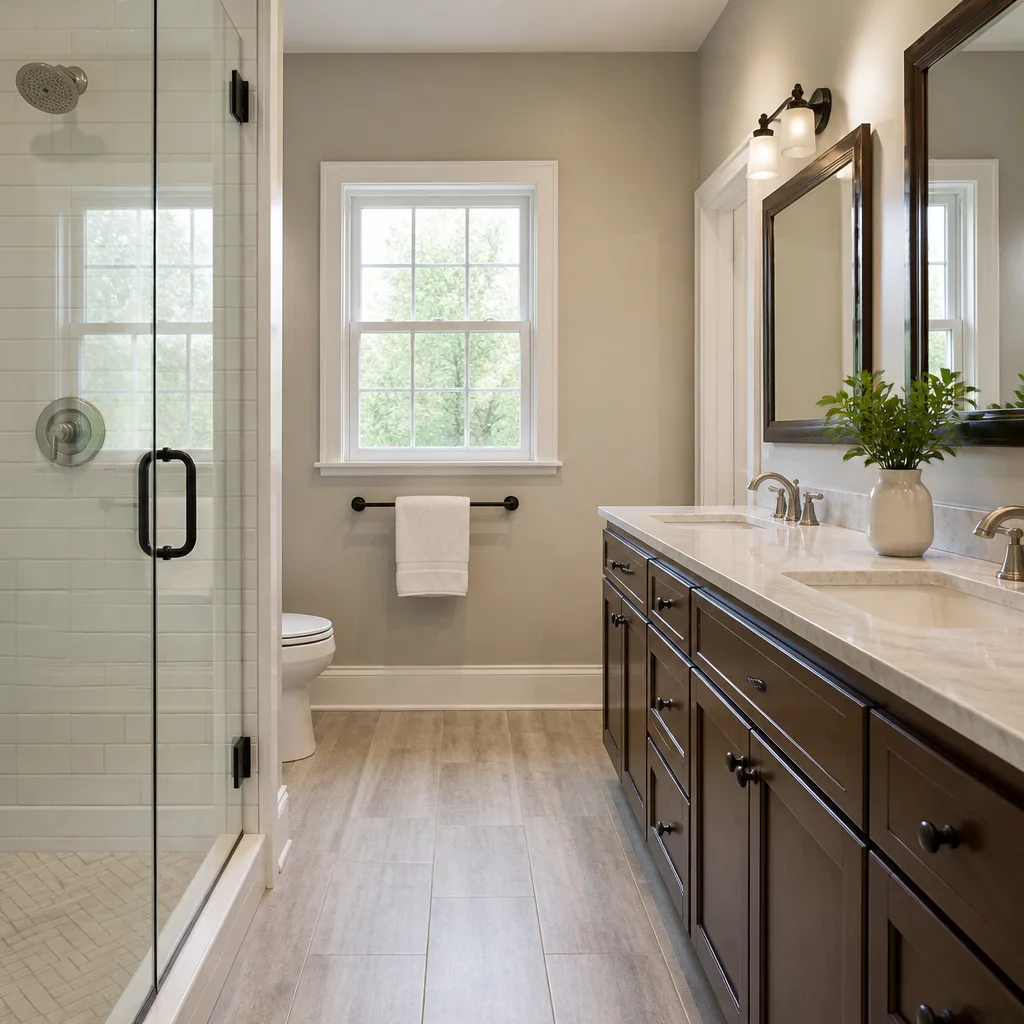 Bathroom remodeling
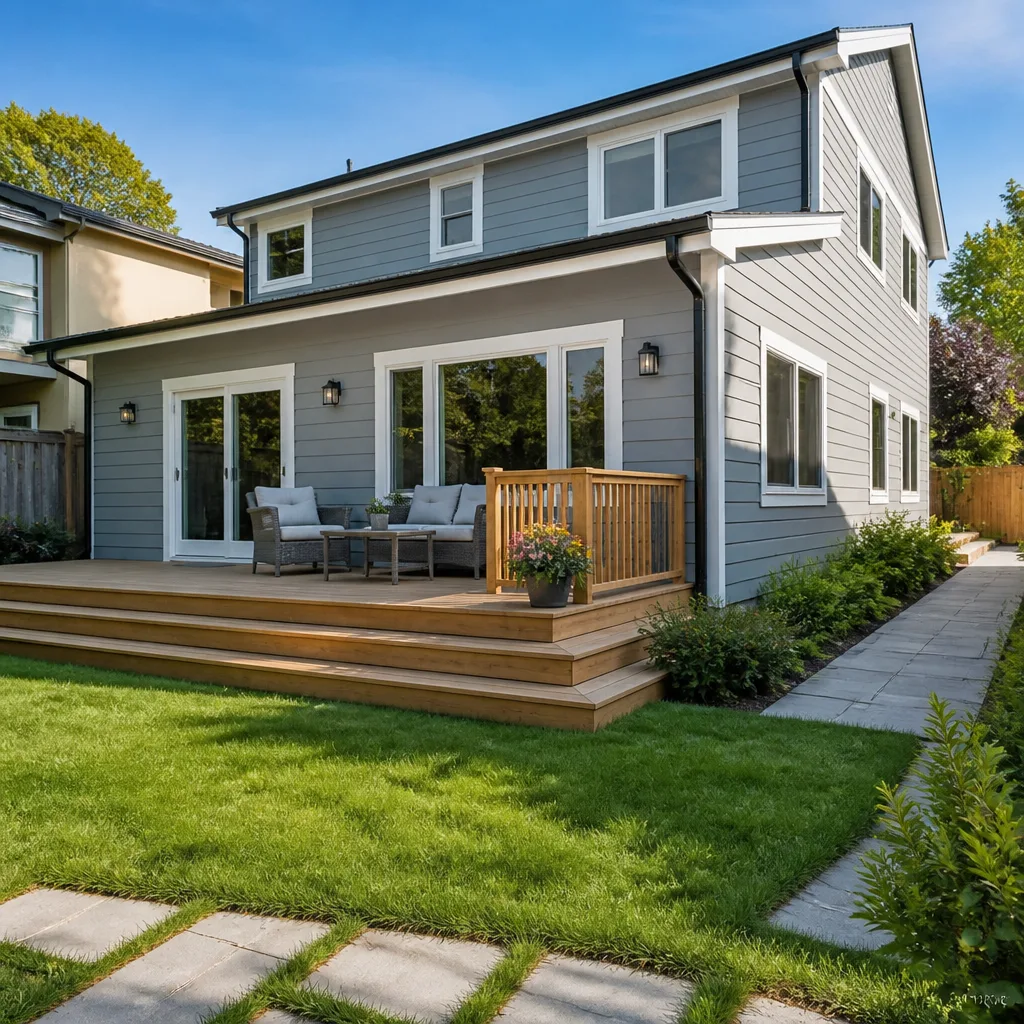 Home additions & ADU
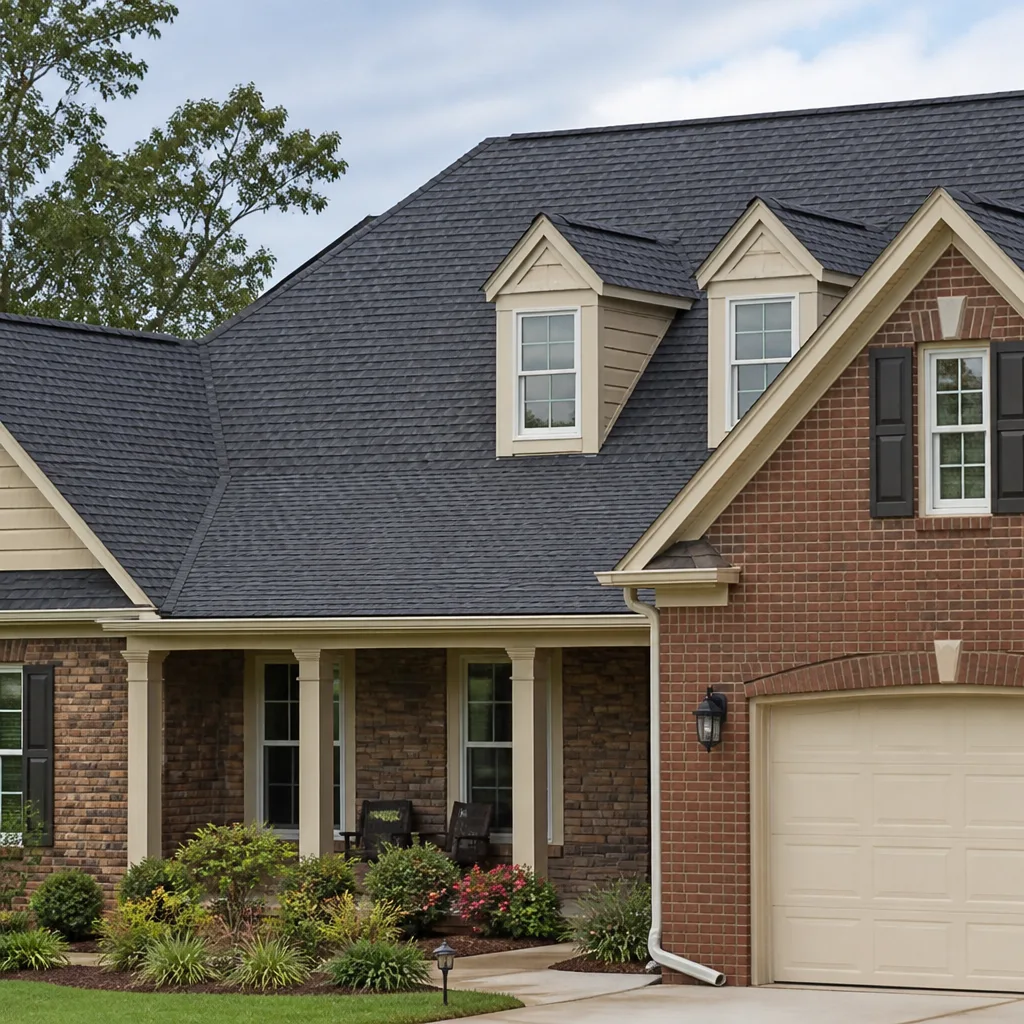 Roofing
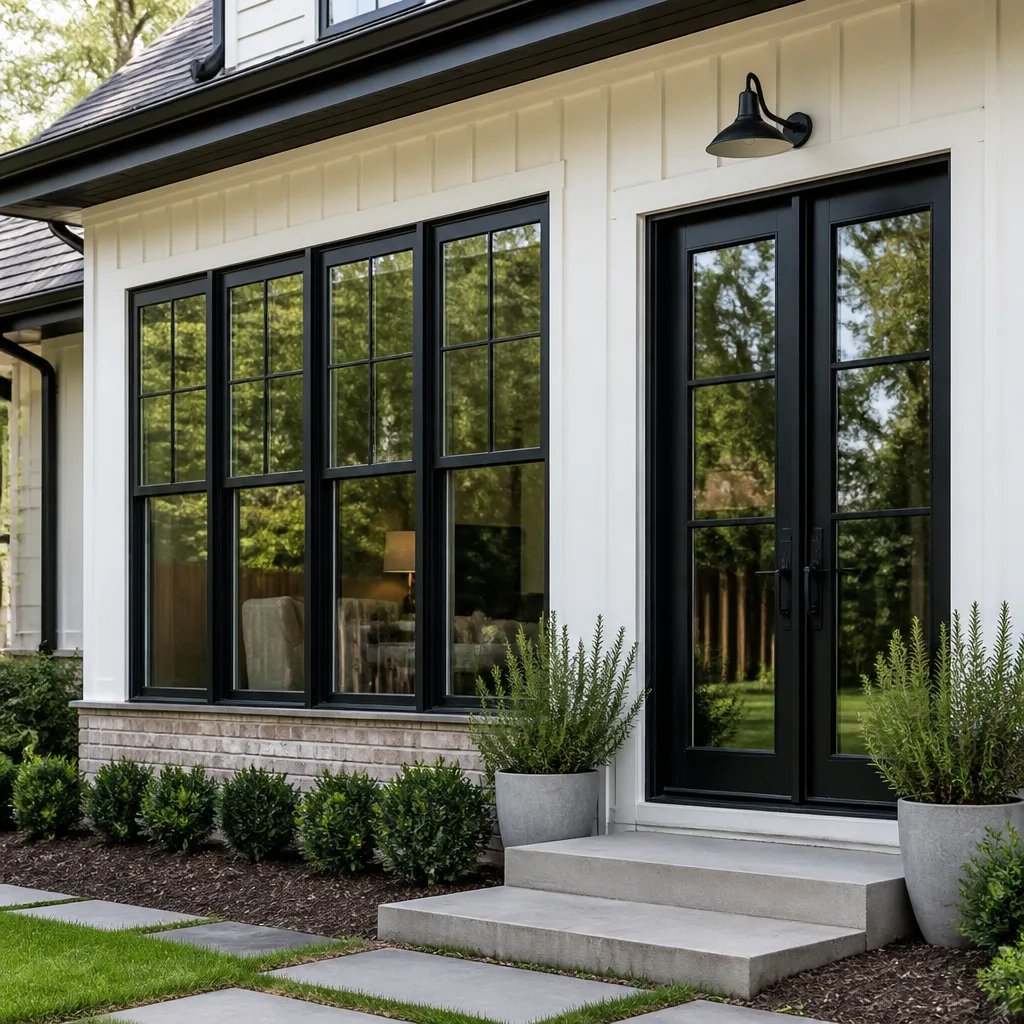 Windows & doors
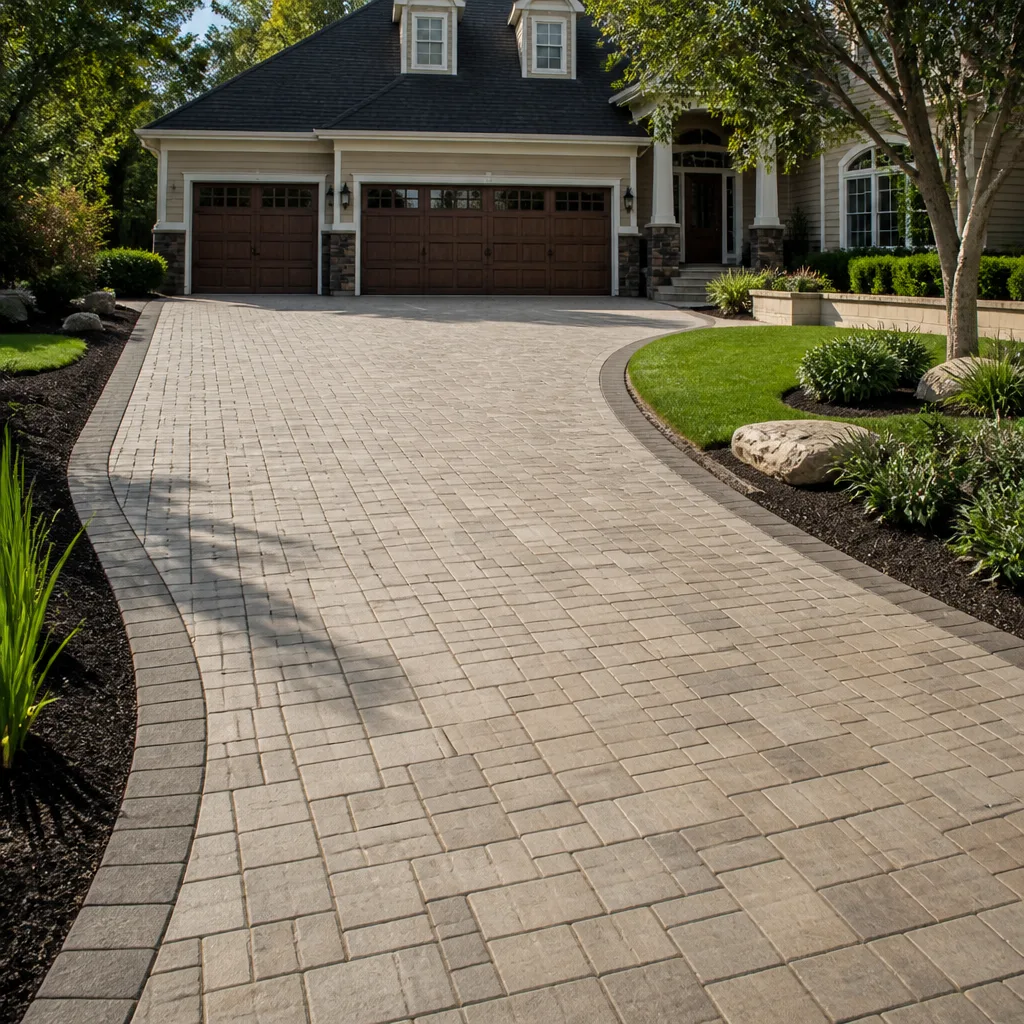 Driveway & pavers
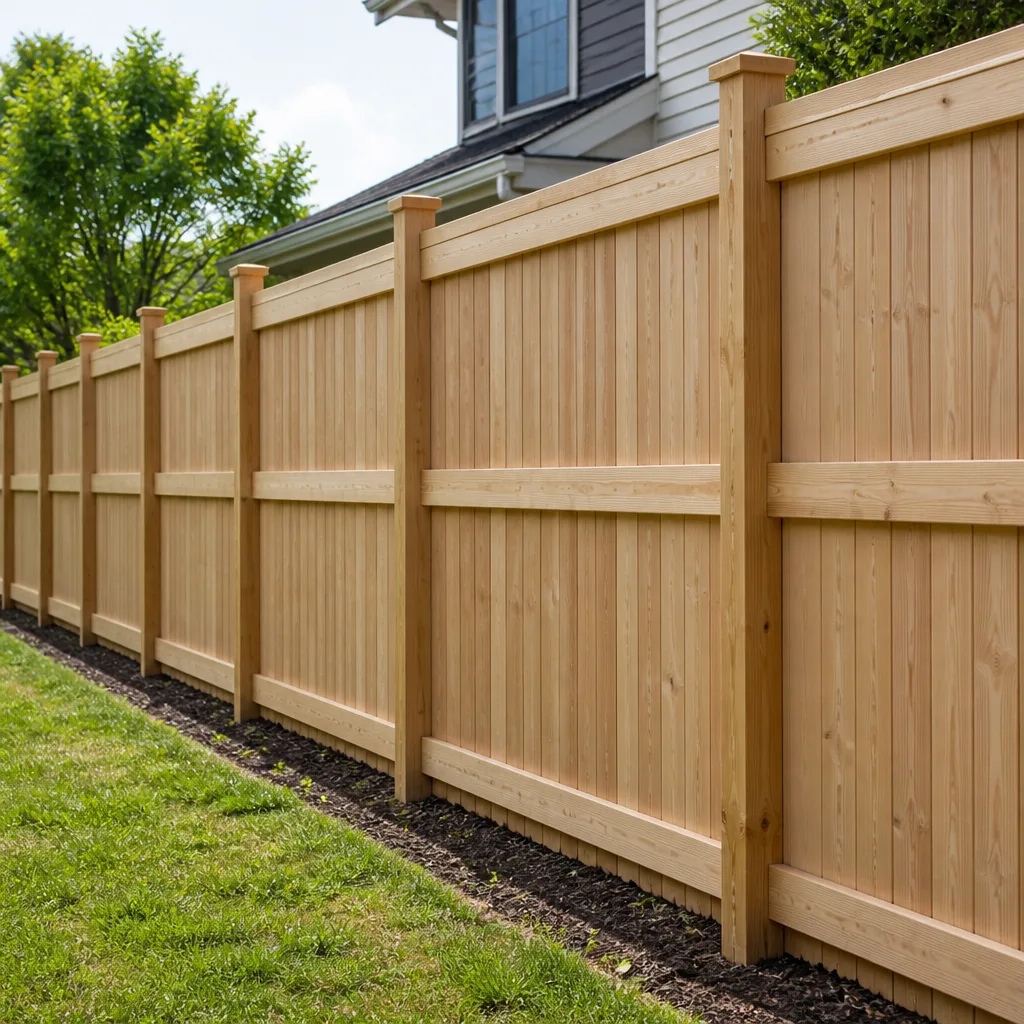 Fence
Free written scope consultation - allowances, timeline, and change-order rules on paper before a single trade is scheduled
The Complete Guide to Construction in Garden Grove
A significant share of Garden Grove’s housing stock was built before 1980. That single fact shapes nearly every construction conversation we have in this city. When a homeowner calls us about a kitchen remodel or a roofing replacement, the project rarely starts with a blank slate. It starts with a wall opened up to reveal galvanized pipes, or an electrical panel that hasn’t met code since the Reagan administration. This guide is written for the Garden Grove homeowner who wants to understand what construction actually looks like here, not what a generic California blog says it looks like. For more guides & resources on local construction, see our blog. You’ll learn how the city’s mid-century housing, coastal-adjacent climate, and Orange County permitting realities affect every major project category, and how to sequence work so you’re not living through a six-month renovation that should have taken ten weeks.
Quick Answer
Construction in Garden Grove, CA is defined by three local realities: a housing stock dominated by pre-1980 builds that require upfront testing and system upgrades, a city permitting process that differs meaningfully from neighboring Anaheim and Westminster, and a marine-layer climate that demands specific material choices for exterior work. Most successful projects here start with a pre-construction inspection that identifies asbestos, outdated electrical panels, and galvanized plumbing before design work begins. You’ll also want to review our Construction Permits, Codes & Inspections in CA: What You Need to Know before breaking ground. Working with a licensed general contractor who understands Garden Grove’s specific code enforcement patterns, especially for ADUs, roofing, and hardscape work, is the single biggest factor in keeping a project on schedule.
Styles & brands we work with
- Kitchen remodeling
- Bathroom remodeling
- Home additions & ADU
- Roofing
- Windows & doors
- Driveway & pavers
- Fence
Table of Contents
- Garden Grove’s Pre-1980 Housing Stock: What’s Behind Your Walls
- City of Garden Grove Permitting vs. Anaheim and Westminster
- How the Marine Layer and Santa Ana Winds Dictate Material Choices
- Code Enforcement Hotspots: ADUs, Roofing, and Hardscape
- Why Single-Source Accountability Changes Your Timeline
- What Construction Costs in Garden Grove Right Now
- How to Sequence a Multi-Phase Garden Grove Renovation
- Common Mistakes to Avoid
- When to Call a Professional
- Frequently Asked Questions
Garden Grove’s Pre-1980 Housing Stock: What’s Behind Your Walls
The median home in Garden Grove was built in 1963. Walk through neighborhoods like West Garden Grove, Brookhurst, or the tract homes near Bolsa Avenue, and you’re looking at construction methods that predate modern building codes by decades. That’s not a problem on its own. It becomes a problem when a renovation assumes the house was built the way houses are built today.
In our experience, three discoveries show up on nearly every pre-1980 Garden Grove remodel:
- Asbestos in drywall joint compound, popcorn ceilings, vinyl flooring, and duct wrap. Testing is required before any demolition that disturbs more than a small area. The City of Garden Grove will ask for the test results before issuing a permit on substantial remodels. Budget $400 to $800 for testing, and if abatement is needed, plan for another $2,000 to $6,000 depending on scope.
- Electrical panels that cannot support modern loads. Zinsco, Federal Pacific, and older 60-amp or 100-amp panels are common in Garden Grove homes. A kitchen remodel that adds a double oven, induction cooktop, and dedicated circuits will almost always trigger a panel replacement. That’s $3,500 to $6,500 in this market.
- Galvanized steel plumbing that’s nearing the end of its service life. Galvanized pipes corrode from the inside out. When you open a wall during a bathroom remodel, you’ll often find the interior diameter has narrowed to the width of a pencil. Repiping a typical 1,200-square-foot Garden Grove ranch runs $6,000 to $12,000 depending on access and fixture count.
These are not optional upgrades once a wall is opened. The city inspector will not sign off on new work connected to a failed panel or leaking pipes. The practical takeaway: for any home remodeling project in Garden Grove on a pre-1980 home, add 15% to 20% to your budget for hidden conditions. Homeowners who plan for this upfront make calmer decisions mid-project. Homeowners who don’t end up making rushed compromises.
City of Garden Grove Permitting vs. Anaheim and Westminster
Garden Grove borders Anaheim, Westminster, Santa Ana, and Stanton. Each city has its own building department with its own interpretation of the California Building Code. A contractor who pulls permits in Anaheim every week can walk into Garden Grove’s building division and lose a week over a detail Anaheim never flags.
What’s different in Garden Grove specifically:
- Plan check turnaround is longer than neighbors. Garden Grove’s current plan review queue for structural work and ADUs typically runs 4 to 8 weeks before first comments. Anaheim historically moves faster on single-family residential. Westminster has different requirements for shear wall documentation. If a contractor tells you permits will be ready in two weeks, they haven’t worked in Garden Grove recently.
- Garden Grove enforces garage conversion rules strictly. Converting a garage to living space requires a specific process that includes replacing the lost parking. The city has approved codes for this, but inspectors are thorough about it because unpermitted garage conversions were common here for decades. If you buy a Garden Grove home with a converted garage that wasn’t permitted, bringing it into compliance can be a project of its own.
- Title 24 energy compliance is non-negotiable. Garden Grove is in climate zone 8, the same as most of coastal Orange County, which means your renovation must meet specific energy performance standards for windows, insulation, and HVAC. A home renovation in Garden Grove that adds square footage triggers Title 24 review. Budget $1,500 to $3,000 for the compliance documentation alone.
The jurisdiction issue matters because some homeowners assume they can use a contractor from a neighboring city who “knows Orange County.” Orange County is not one jurisdiction. It’s 34 cities and unincorporated areas, each with its own inspectors, plan checkers, and enforcement priorities. Garden Grove’s inspectors are knowledgeable and fair, but they expect the paperwork to match the work. If a contractor’s opening line is “we don’t need a permit for this,” that’s a red flag in Garden Grove specifically, because the city actively follows up on code enforcement complaints from neighbors, particularly for exterior work that’s visible from the street.
How the Marine Layer and Santa Ana Winds Dictate Material Choices
Garden Grove sits about 9 miles inland from Huntington Beach. Close enough to get the marine layer most mornings from May through July, far enough inland that the layer usually burns off by 10 a.m. That’s a mild climate by national standards, but it creates two specific conditions that generic construction advice misses.
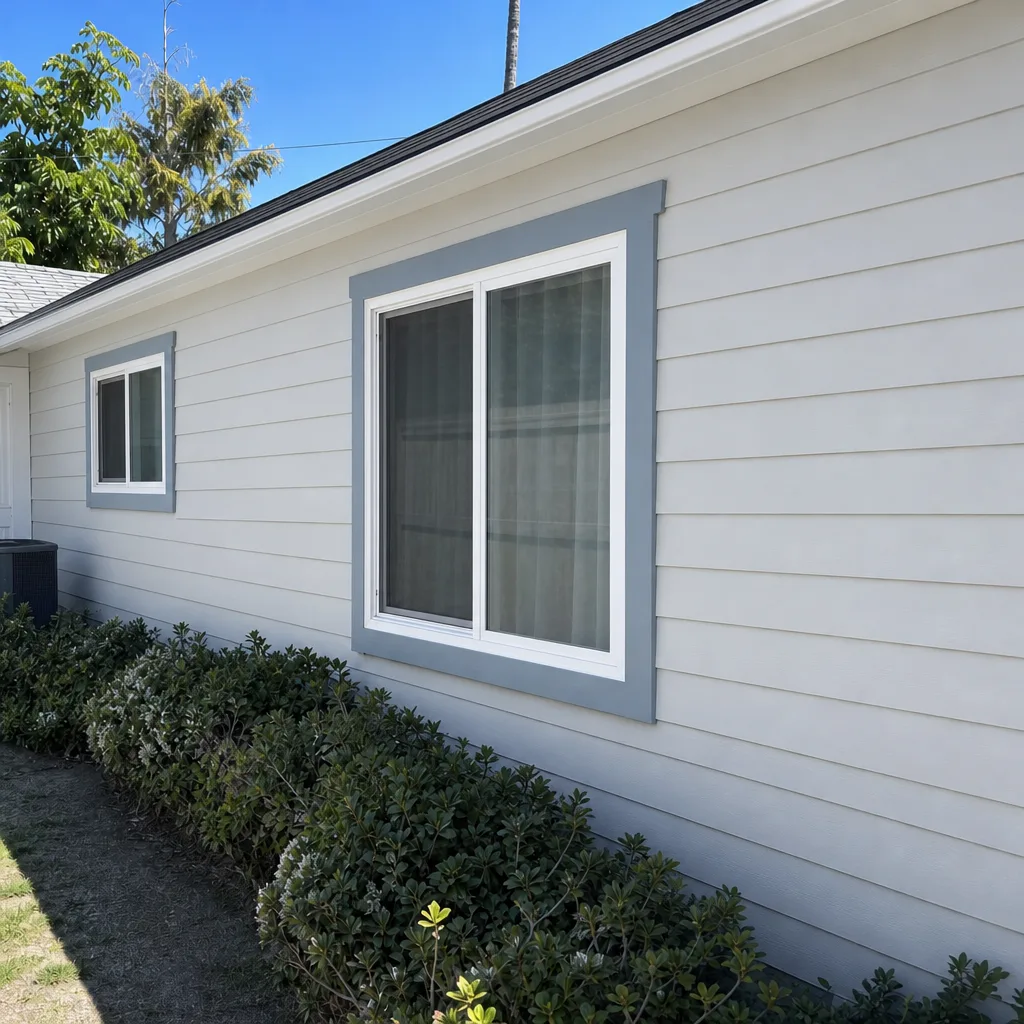
The marine layer means persistent moisture exposure for west-facing exteriors. Homes on the west side of Garden Grove, toward Westminster and the 405, see more morning fog exposure than homes on the east side near the 22. That moisture accelerates what we call “slow rot” on trim, fascia, and siding that never fully dries out for weeks at a time. When we specify siding for a Garden Grove exterior, we steer toward fiber-cement products like James Hardie specifically because the material holds a dimensional warranty even with consistent moisture exposure. Wood and composite options have their place, but on a west-facing elevation, a primed fiber-cement board is the more durable choice most of the time.
Santa Ana season stresses roofing and fencing differently. Between September and January, Garden Grove sees the dry, gusty winds that blow out of the northeast. Roofs with older composition shingles lose granules faster under those conditions. Fencing, especially taller privacy fencing, takes lateral wind loads that slowly work posts loose. When we install fencing in Garden Grove, we set posts in concrete to a depth that accounts for the city’s clay-loam soil, which expands and contracts with moisture changes. A fence built with shallow posts will lean within two or three Santa Ana cycles. These are not things a manufacturer’s spec sheet tells you. They’re things you learn by working in this specific city for years.
What this means for material selection: a roofing system from a manufacturer like GAF or Owens Corning should be specified by warranty tier matched to Garden Grove’s specific exposure, not just installed as a commodity. The same shingle performs differently on a home near Mile Square Park with mature tree cover versus a home on a corner lot in a tract where the wind comes straight down the street. That’s the difference between “we install roofs” and “we spec the right material for your project, not the easiest one to install.”
Code Enforcement Hotspots: ADUs, Roofing, and Hardscape
Three project categories draw disproportionate attention from Garden Grove’s code enforcement division: accessory dwelling units, roofing, and hardscape. Understanding why helps you plan timelines more accurately.
ADUs are the most scrutinized projects in the city right now. Garden Grove updated its ADU ordinance to align with state mandates, which means setbacks, height limits, and parking requirements are specific. The city also enforces compliance on ADUs that are visible from the street or that generate neighbor complaints about parking or noise. A permitted ADU in Garden Grove goes through a plan check that examines fire separation, utility connections, and lot coverage calculations. If you’re considering a prefab ADU through a manufacturer like Abodu or Dvele, the local permit path is still required, and the city will want to see the same structural and utility documentation it would for a site-built unit. Budget 6 to 12 months for a Garden Grove ADU from design to certificate of occupancy, depending on utility availability and plan check queue.
Roofing permits involve more than a tear-off and re-roof. Garden Grove requires reroofing permits, and the city checks for the number of existing layers, ventilation requirements, and in some cases, seismic tie-downs for tile roofing. If your home had three layers of composition shingles installed over decades, the city will require a full tear-off to decking before the new system goes on. That doubles the labor but it’s the right specification, and it’s exactly what a conscientious contractor will do anyway.
Hardscape triggers stormwater and lot coverage review. Garden Grove follows Orange County’s NPDES stormwater requirements, which means significant increases in impervious surface area, like large concrete patios or paver installations, may require drainage calculations. If you’re installing a paver patio with products from Belgard or Tremron, the material choice doesn’t change the permit requirement. What changes is whether your contractor has done the drainage math before the first paver goes down. Projects that skip this step end up with standing water in the rainy season and an inspector who wants to see the correction.
Why Single-Source Accountability Changes Your Timeline
Most construction delays in Garden Grove are not caused by material lead times or city plan check. They’re caused by scheduling gaps between trades. The electrician finishes on Tuesday, the drywall crew can’t start until Friday, and the tile setter was booked two weeks ago for a different job. Those three days and two weeks add up. Before you know it, a kitchen remodel that should take eight weeks is on week fourteen.
The traditional fix is to hire a general contractor. But even then, the general contractor is coordinating subcontractors with their own schedules and their own priorities. The real difference comes when the general contractor also controls the material sourcing and the subcontractor relationships under one contract. That’s the model Garden Grove Contractors operates under. When we manage a kitchen and bath remodel, the cabinetry order from KraftMaid, the countertop fabrication from Cambria or Caesarstone, the plumbing fixtures from Kohler or Moen, and the installation crews all flow through one schedule. When the electrical rough-in passes inspection on Wednesday, the drywall is scheduled for Thursday because we’re not waiting on a third party to confirm.
This matters most on multi-phase projects, which are common in Garden Grove because so many homes need systems work before cosmetic work. A homeowner who wants a new kitchen often also needs a panel upgrade, which means the electrician has to open walls, which means patching and paint, which means the kitchen remodel now overlaps with a small interior renovation. A general contractor in Garden Grove who manages all of it under one contract can sequence the panel replacement, drywall repair, and kitchen installation as one continuous project. A homeowner juggling separate electricians, drywall contractors, and kitchen remodelers has to become the project manager, and that’s when timelines stretch.
From the countertop to the roofline, one contract means one schedule. That’s not a selling point. It’s an operational reality, and it’s the reason a single-source contractor can often complete a multi-trade project faster than three separate contractors working on the same house.
What Construction Costs in Garden Grove Right Now
Construction pricing in Garden Grove runs slightly below coastal Orange County cities like Newport Beach or Huntington Beach, but above inland markets like Riverside. The difference is driven by local labor availability, material transport costs, and the concentration of older homes that require more prep work. Here are realistic ranges for major project categories in Garden Grove as of this guide’s publication:
- Kitchen remodel (full gut, mid-range finishes): $55,000 to $95,000, depending on cabinet line, countertop material, and whether walls or systems move
- Bathroom remodel (full gut, mid-range finishes): $22,000 to $40,000 per bath; primary baths at the higher end
- Roofing replacement (composition shingle, 1,500-square-foot home): $14,000 to $22,000, depending on tear-off layers, ventilation, and shingle brand
- Window replacement (10 to 14 double-pane vinyl or fiberglass windows): $12,000 to $28,000, depending on brand and frame material
- Fencing (50 linear feet of 6-foot redwood or composite privacy fence): $4,500 to $9,000
- Paver patio (400 square feet with base prep): $8,000 to $16,000, depending on paver brand and edge details
- ADU (800-square-foot site-built unit): $280,000 to $400,000; prefab ADUs from manufacturers like Abodu or Boxabl run $180,000 to $300,000 including site work and utilities
These are planning numbers, not quotes. Every house in Garden Grove is different, and a pre-1980 home will almost always land at the higher end of these ranges once hidden conditions are addressed. What separates a good estimate from a misleading one is whether the contractor has walked the house and looked at the panel, the plumbing, and the roof structure before putting a number in writing. If a contractor gives you a firm price based only on square footage and a phone call, that number is not real. We provide line-item estimates after an on-site walkthrough, and we account for the conditions we can see and the ones we know to expect in Garden Grove’s housing stock.
How to Sequence a Multi-Phase Garden Grove Renovation
Sequencing is the difference between a project that feels organized and a project that feels like it’s happening to you. Here is the order we recommend for Garden Grove homeowners undertaking a multi-phase renovation, based on the logic of code compliance and building science:
- Start with the building envelope. Roof, siding, windows, and doors come before interior finishes. If you install a new kitchen and then replace the roof six months later, you risk water intrusion and drywall damage. In Garden Grove, where the marine layer means exterior surfaces stay damp longer, enclosure work should always be sequenced first.
- Address systems second. Electrical panel, plumbing repipe, and HVAC come after the envelope is sealed but before any cosmetic work. Open walls are your best opportunity to replace old wiring and galvanized pipes without demolition twice.
- Interior structural and rough-in work third. This is where kitchen and bathroom remodels happen. Framing modifications, new rough plumbing, new rough electrical, and permit inspections all occur in this phase.
- Finishes fourth. Cabinetry, countertops, tile, flooring, and paint. This is the phase homeowners are most excited about, but it comes last so that finished materials are never exposed to dust, moisture, or framing work.
- Exterior improvements last. Hardscape, fencing, and final landscaping go in after the heavy interior work is complete. You don’t want a new paver patio being used as a staging area for drywall delivery.
This sequence isn’t arbitrary. It’s structured so that each phase protects the investment of the phases before it. And it’s why we handle exterior and interior work under the same roof. A contractor who only does kitchens has to hope the roofer who came before them did the enclosure work correctly. A contractor who manages both knows, because the same person is accountable.
Common Mistakes to Avoid
- Assuming a pre-1980 Garden Grove home is code-compliant because it “hasn’t had problems.” Buildings don’t tell you when systems are failing. They tell the inspector when you open a wall. Budget for what you can’t see.
- Hiring a contractor from another city without checking their Garden Grove permit history. Anaheim and Westminster have different plan check and inspection cultures. Ask for proof of completed permits in Garden Grove specifically.
- Skipping the asbestos test to save the cost. The test is a few hundred dollars. Skipping it can shut down a project mid-demolition and trigger a stop-work order. That is not the moment to discover the test was worth it.
- Designing an ADU without checking lot coverage and utility capacity first. Garden Grove enforces lot coverage rules, and some older sewer laterals cannot handle an additional bathroom without a replacement. Know both before you pay for architectural drawings.
- Choosing exterior materials for looks instead of climate performance. That beautiful wood siding will behave differently on a west-facing Garden Grove elevation with persistent morning fog. Spec the material for the exposure, not just the style.
- Pricing a project with a square-footage estimate before anyone has walked the house. The number you get over the phone is fiction. A real estimate requires eyes on the panel, the foundation, the roof structure, and the plumbing.
- Working with separate contractors for envelope, systems, and interior work with no single schedule. The gaps between trades are where weeks disappear. One contract means one party owns the schedule.
When to Call a Professional
You should call a licensed general contractor when the project touches more than one trade, requires a permit, or involves opening walls, moving systems, or modifying the building envelope. In Garden Grove, that covers most meaningful renovations. If an unpermitted garage conversion has to be brought into compliance, a contractor who knows the city’s specific retrofit path will save you months. If a roof replacement reveals rotted decking or failing ventilation, the right contractor fixes it correctly the first time. If an ADU project has to navigate utility capacity questions, lot coverage rules, and plan check lead times, a professional who has done it in Garden Grove before is worth the cost. Garden Grove Contractors offers free estimates in Garden Grove, call (877) 373-9230 to schedule an on-site walkthrough.
Frequently Asked Questions
Most Garden Grove construction projects cost between $22,000 and $95,000 depending on scope, with kitchen remodels at $55,000 to $95,000, bathroom remodels at $22,000 to $40,000, roofing replacements at $14,000 to $22,000, and ADUs at $280,000 to $400,000 for site-built units. Homes built before 1980 typically land at the higher end because of hidden systems work. Call (877) 373-9230 for an exact line-item estimate after we walk your property.
Plan check in Garden Grove typically runs 4 to 8 weeks before first comments on structural work and ADUs, with additional time for resubmittals and corrections. Simpler projects like reroofing permits move faster, often 2 to 4 weeks. The timeline depends on the current queue, which varies seasonally.
Yes, if you’re moving walls, changing plumbing or electrical, or altering the building structure, Garden Grove requires a permit. Cosmetic updates like cabinet replacement, countertop installation, and paint do not require a permit. If your scope triggers a permit, call us at (877) 373-9230 to confirm what the city will require before you start.
Yes, Garden Grove requires asbestos testing before demolition on homes built before 1980 in most cases, particularly for projects that disturb drywall, flooring, or ductwork. The test costs $400 to $800 and the city will ask for the results during plan review or before issuing the permit.
Yes, Garden Grove allows ADUs under its current ordinance aligned with state law, subject to lot coverage limits, setback requirements, and utility capacity verification. The process takes 6 to 12 months from design to certificate of occupancy. We source prefab ADUs from manufacturers including Abodu, Dvele, and Boxabl, then manage the Garden Grove permit path for you.
A general contractor holds one contract and one schedule for every trade and material on the project, while separate trades mean you become the scheduler, the quality checker, and the dispute resolver. In Garden Grove, where older homes frequently require electrical, plumbing, and structural work before cosmetic finishes, a single source of accountability usually completes the job in less time. To discuss your project, call (877) 373-9230 today.
The Bottom Line
Construction in Garden Grove rewards homeowners who plan for the city’s specific realities: pre-1980 homes that hide asbestos, old electrical panels, and failing galvanized plumbing; a permitting culture that moves at its own pace and enforces its own priorities; and a coastal-adjacent climate that punishes generic exterior material choices. The projects that go smoothly are the ones that start with a professional walkthrough, account for hidden conditions in the budget, and run under one contract with one accountable party. That’s the model we operate under at Garden Grove Contractors. We spec materials from brands pros trust, we sequence work so one phase protects the next, and we own the schedule from the first inspection to the final walkthrough. Call (877) 373-9230 for a free estimate on your Garden Grove project.
Written by the team at Garden Grove Contractors, serving Garden Grove since 2017.
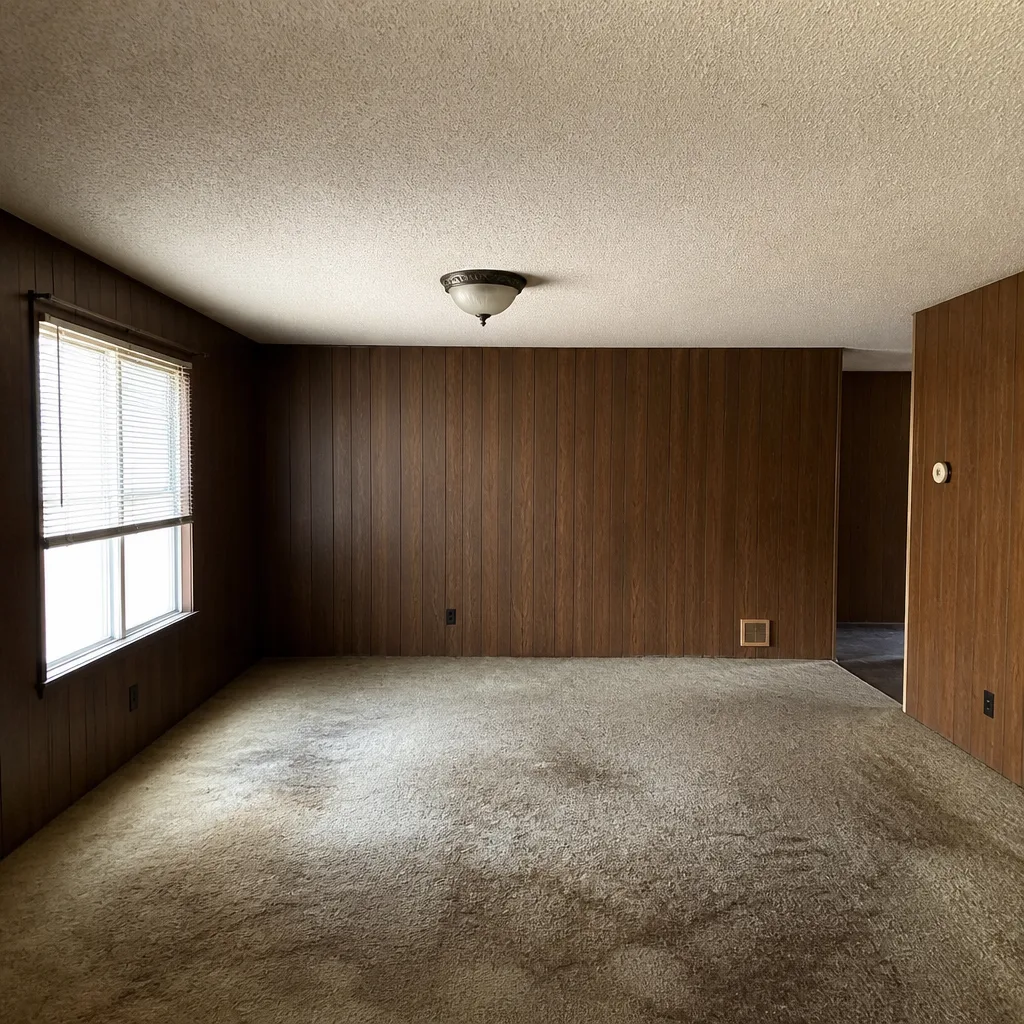
See the difference
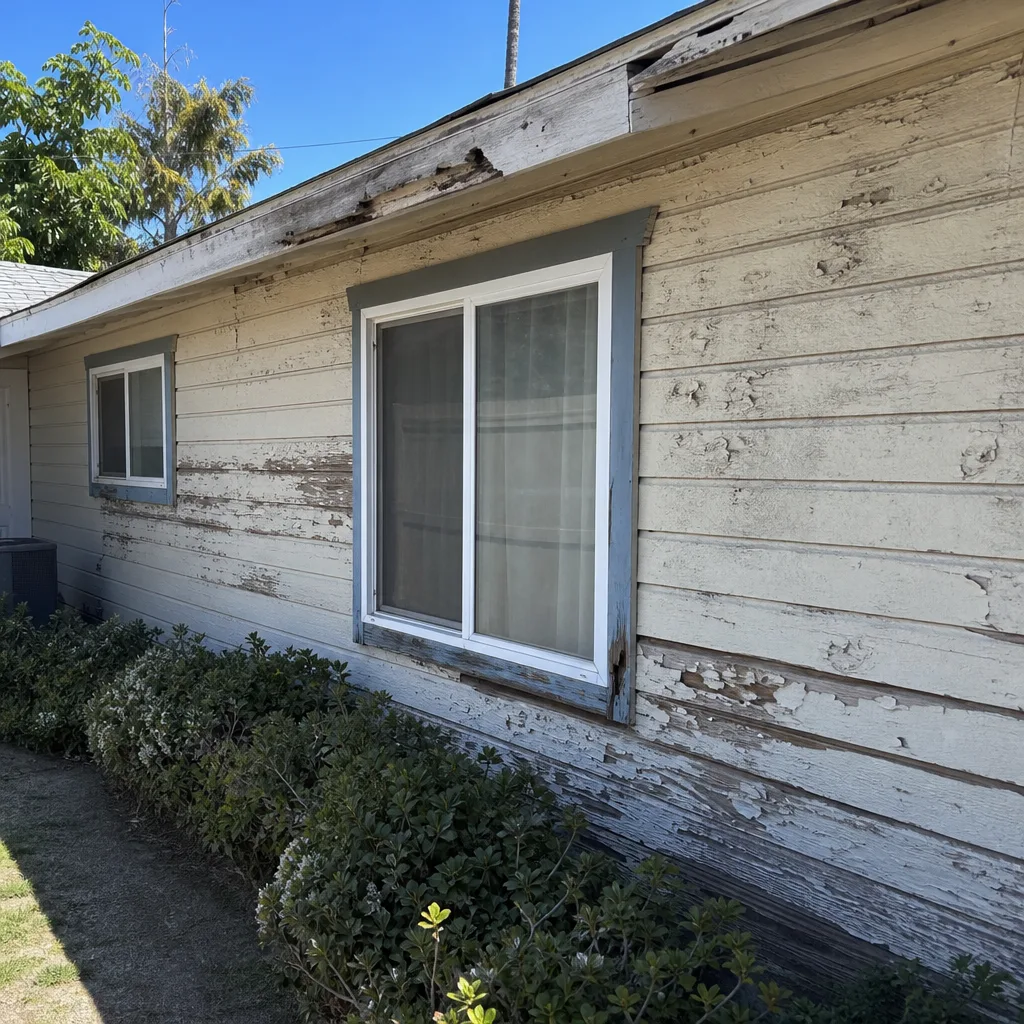 Before
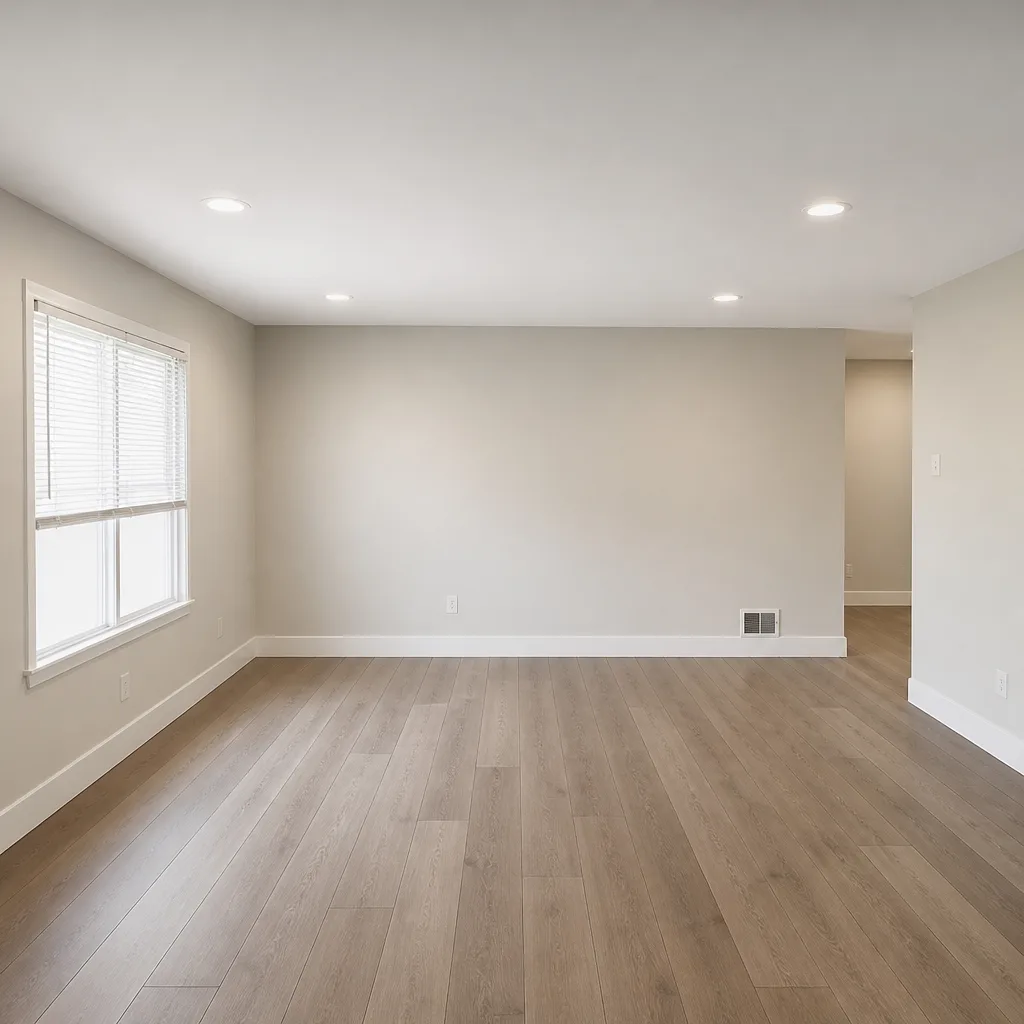
 After
 Before
 After
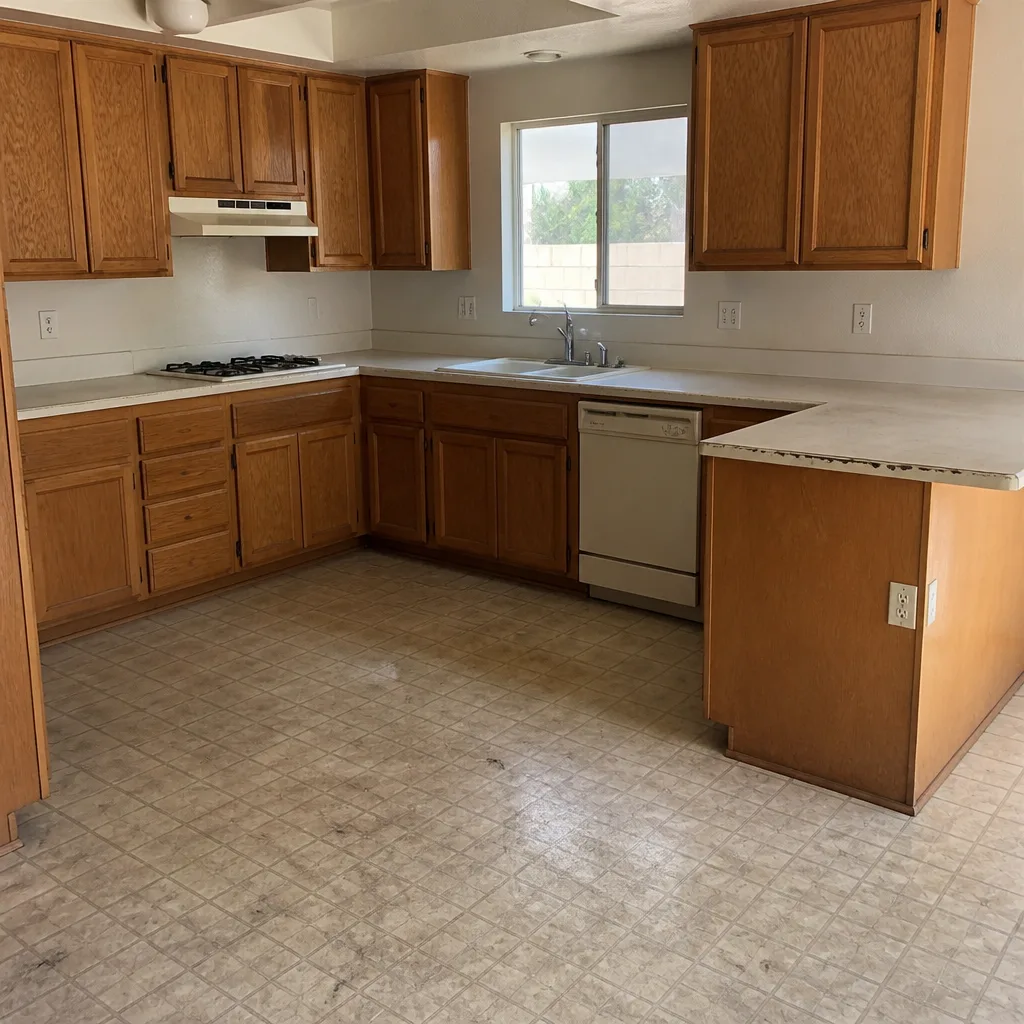 Before
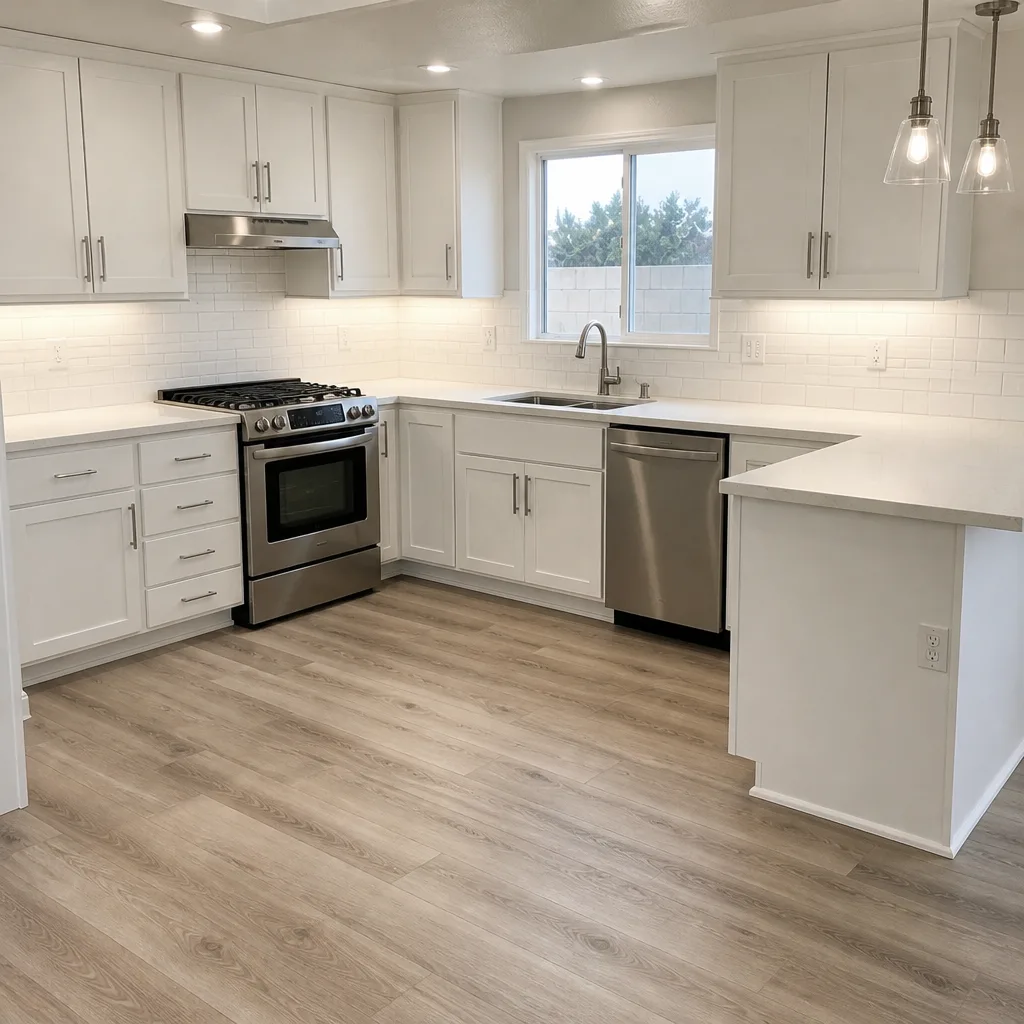 After