
Last updated October 31, 2026
 Home additions & ADU
 Kitchen remodeling
 Bathroom remodeling
 Roofing
 Windows & doors
 Driveway & pavers
 Fence
Free written scope consultation - allowances, timeline, and change-order rules on paper before a single trade is scheduled
Construction Emergency Preparedness Guide for Garden Grove Homes
Here’s the counterintuitive reality about construction emergencies in Garden Grove: the homes that recover fastest aren’t the ones with the most thorough earthquake kits. They’re the ones whose owners already know exactly who to call, what their insurance actually covers, and what was behind their drywall before it got wet or blown apart. After a major Santa Ana wind event tears a roof edge loose or a slab leak turns a hallway into a wading pool, homeowners without a contractor relationship spend 48 to 72 hours finding anyone legitimate. And in that window, water keeps moving, exposed framing keeps swelling, and secondary damage quietly doubles the eventual repair scope. This guide and our more guides & resources exist so you never find yourself in that position. It’s the pre-emergency planning document most Garden Grove homeowners never make until it’s too late. We’re going to walk through documentation, temporary protection, seismic reality, insurance gaps, and how to pre-qualify a contractor relationship before you actually need one.
Styles & brands we work with
- Kitchen remodeling
- Bathroom remodeling
- Home additions & ADU
- Roofing
- Windows & doors
- Driveway & pavers
- Fence
Quick Answer
Construction emergency preparedness for a Garden Grove home means having a current photo and spec record of your home’s systems, knowing your insurance policy’s structural coverage limits and exclusions, understanding which temporary protective measures are safe and claim-compatible, and having a pre-qualified general contractor relationship already established. Homes with these four elements in place typically begin permanent repairs within 24 to 48 hours of an event, while unprepared homes wait days and absorb compounding damage.
Table of Contents
- Documenting Your Home’s Systems and Materials Before an Emergency
- The First 12 Hours: Temporary Protection That Won’t Compromise Your Claim
- Garden Grove Seismic Reality: What a 1960s Wood-Frame House Will and Won’t Do
- What Homeowner’s Insurance Actually Covers Structurally
- How to Pre-Qualify a General Contractor Before You Need One
- What a Retainer Arrangement Looks Like (and When It’s Worth It)
- Common Mistakes to Avoid
- When to Call a Professional
- Frequently Asked Questions
- The Bottom Line
Documenting Your Home’s Systems and Materials Before an Emergency
The single most valuable hour you can spend on preparedness has nothing to do with buying supplies. It’s walking your property with a phone and creating a structured visual and written record of what your house is actually made of. When a claim gets filed or a repair scope gets written, the difference between “I think the roof was replaced around 2015” and “Here’s a photo of the GAF shingle wrapper from the 2019 install” is measured in thousands of dollars and weeks of delay. Here’s the documentation system we recommend for every Garden Grove residence.
Photograph everything at eye level and at detail level. Walk the perimeter and shoot every elevation: rooflines, fascia, gutter attachments, window frames, door thresholds, siding at the base, and any area where two materials meet. Then get close. Shingle texture, window brand etching, the data plate on your water heater, the label on your electrical panel, the stamped marking on your main shutoff valve. These detail shots establish exactly what was in place before anything failed.
Create a spec sheet for your major systems. One page, plain text, covers it. Roofing manufacturer and approximate install year. Window brand and frame material. Siding material and paint or coating type. Water heater brand, capacity, and year. Electrical panel manufacturer and amperage. Plumbing pipe material visible at accessible points. If you have materials documentation from a previous remodel, keep it with this sheet. A homeowner who can say “CertainTeed shingles, dual-pane vinyl windows, copper supply lines” on the first call gives a contractor immediate clarity about what they’re dealing with.
Store it somewhere that survives the event. A cloud folder shared with a family member outside Orange County is the baseline. A printed copy in a fire-safe document bag adds redundancy for scenarios where phones are dead or damaged. Update the record whenever you complete a major project. A kitchen remodel that changed your plumbing layout or an ADU addition that altered your roofline needs to be reflected. This record is particularly valuable in Garden Grove because our housing stock spans seven decades, and a 1954 ranch has completely different vulnerability points than a 1990s two-story stucco build.
One more thing worth documenting: the locations of your main water shutoff, gas shutoff, and electrical disconnect. Photograph them, mark them in your spec sheet, and make sure everyone in the household knows where they are. When a pipe breaks at 2 a.m., knowing that the shutoff is behind the shrub bed on the north side of the house saves the three minutes that change a $4,000 drywall repair into a $22,000 flood restoration.
The First 12 Hours: Temporary Protection That Won’t Compromise Your Claim
Insurance policies carry a standard clause: the homeowner has a duty to mitigate further damage. That means if a window is broken or a roof edge is lifted, you’re contractually expected to take reasonable steps to keep more water or wind out. The problem is that “reasonable steps” in a panic often become permanent alterations that complicate or void a claim. Here’s what’s safe to do in the first 12 hours, and what to avoid.
Step one: photograph everything before you touch anything. Wide shots of the damage, close shots of the materials, shots from inside and outside. If water is actively entering, shoot a video showing the flow. This documentation establishes the pre-mitigation condition and protects you if the insurer questions what was original damage versus what happened during your temporary fix.
Step two: stop the source only. Shut off the water main or the supply valve. Kill power to the affected circuit if water is near any outlet or fixture. Close the gas valve if you smell gas or a flex line is compromised. These actions are uncontroversial and expected.
Step three: tarp, board, or caulk only to the extent needed to stop entry. A standard 6-mil polyethylene tarp secured over a roof breach with cap nails and furring strips is the industry-standard temporary measure and is fully claim-compatible. Boarding a broken window from the exterior with plywood is identical. For a small roof or siding breach, an exterior-grade sealant applied to stop active water entry is legitimate. The rule is simple: temporary means removable. If your fix requires removing undamaged material, drilling into structural framing, or altering anything that would need to be undone before permanent repair, stop and wait for a professional.
What not to do in the first 12 hours: don’t start cutting out wet drywall yourself. Don’t remove roofing material beyond what’s already detached. Don’t attempt any temporary electrical work beyond switching off a breaker. And don’t sign anything from a door-knocking “storm chaser” contractor who happens to be in the neighborhood. In Garden Grove after a wind event, these crews appear within hours and their contracts are written to lock in inflated scopes before the homeowner has talked to their insurer.
If the damage is beyond a tarp or board-up, that’s the moment your pre-existing contractor relationship pays for itself. A quick call gets you in the queue for a professional assessment, while everyone else is still cold-calling numbers off Google. Our team at Garden Grove Contractors home has walked homeowners through this first-12-hours sequence more times than we can count, and the homeowners who call early always end up with smaller scopes and cleaner claims.
Garden Grove Seismic Reality: What a 1960s Wood-Frame House Will and Won’t Do
Garden Grove sits in a seismic zone shaped by the Newport-Inglewood fault and the broader Southern California fault network, but the honest engineering answer about our housing stock is more nuanced than the earthquake kit industry would have you believe. A wood-frame single-family home on a raised foundation, which describes a large share of Garden Grove’s 1950s and 1960s tracts, is not going to collapse the way unreinforced masonry does in a design-level earthquake. Wood bends. That’s its job. What these older homes will do is slide off their perimeter foundations if the sill plate isn’t bolted, and what their interior finish work will do is crack, separate, and shed.
The critical distinction: wood-frame homes fail in survivable but expensive ways, not catastrophic ones. The house stays standing. The damage comes from lateral displacement, cripple wall buckling, and finish systems failing. A 1960s Garden Grove rancher with unbolted sill plates and an unbraced cripple wall is subject to three failure modes in a significant event: the house shifts on its foundation and damages gas and plumbing connections; the cripple wall collapses and drops the floor system several inches; and the chimney, if it’s unreinforced masonry, separates and falls through the roof or an exterior wall. None of these typically kill occupants in a single-story wood-frame. All of them produce repair scopes in the tens of thousands of dollars and displacement periods measured in months.
The retrofits that change this outcome are well understood and local building departments know exactly what to expect when they review them. Foundation bolting anchors the sill plate to the concrete perimeter and keeps the frame from sliding. Cripple wall bracing with structural plywood or steel shear panels keeps the short wall above the foundation from racking. Chimney bracing or removal of an unreinforced masonry chimney eliminates the highest-risk single point. For homes on slab foundations, the primary retrofit is usually water heater strapping (required by California code for all water heaters, replaced or new) and gas line flexible connections with automatic shutoff valves.
What’s relevant to preparedness is the schedule, not just the scope. These retrofits are not emergency repairs. They’re planned, permitted projects that take days, not months, on typical Garden Grove homes. A contractor who understands both the seismic engineering and the finish-work implications can do a foundation retrofit without destroying the drywall you just paid to have refinished. That’s the kind of sequencing insight you get when the same contractor who knows your framing also knows your interior finishes, which is precisely why general contractor scopes matter for older homes.
What Homeowner’s Insurance Actually Covers Structurally
Most Garden Grove homeowners discover the gaps in their coverage while standing in a wet living room holding an insurance agent’s voice mail. The standard HO-3 policy covers sudden and accidental physical loss to the structure: wind that tears off shingles, water that bursts from a failed supply line, fire, vehicle impact. What it does not cover is slower failure: long-term water intrusion that rotted framing, foundation settlement that cracked a slab, or deferred maintenance that finally gave way. The insurance adjuster’s first job is to determine whether the damage is sudden or gradual, and gradual losses are almost universally excluded.
Here’s the structural coverage reality by system for a typical Garden Grove policy:
- Roof: Sudden wind or hail damage is covered, but older roofs (usually 20+ years) are often written at actual cash value rather than replacement cost, meaning the payout is depreciated. Some carriers now write cosmetic damage exclusions for specific shingle types.
- Windows and doors: Covered for sudden breakage from windborne debris or impact, but a failed seal or fogged dual-pane glass from age is a maintenance exclusion. Retrofit impact-rated windows, like the PGT lines, don’t change coverage limits but can reduce post-event replacement timelines because they’re less likely to fail in the first place.
- Siding and stucco: Sudden storm damage is covered. Cracking from settlement or long-term water intrusion behind the cladding is not.
- Framing and foundation: Earthquake damage is excluded from every standard HO-3. It requires a separate earthquake endorsement or a standalone CEA policy.
- Plumbing: Sudden pipe failure is covered, including the resulting water damage, but the pipe repair itself may be limited or excluded if the failure resulted from corrosion or age. Access through destroyed finishes is typically covered; access through otherwise-sound walls that just needed a repipe is not.
The underinsurance issue in Garden Grove specifically comes down to three factors. First, replacement cost values have risen sharply, and many policies renewed before 2021 have dwelling limits that haven’t kept pace. Second, code upgrade coverage (Ordinance or Law) is often capped at 10% of the dwelling limit, which doesn’t buy much when a rebuild triggers full current-code compliance: sprinkler-ready plumbing, taller cripple wall bracing, seismic gas shutoff valves, updated shear panel requirements. Third, most Garden Grove homeowners don’t carry the earthquake endorsement because the deductible structure (typically 10-15% of dwelling value) looks unaffordable until you price the actual repair.
There’s a direct preparedness action here. Pull your declarations page, read the dwelling limit, check your Ordinance or Law sublimit, and ask your agent specifically about the roof payment basis and the earthquake endorsement math. Do it before the Santa Ana season peaks, not during. And when you do have a claim, having a contractor who can write a scope in insurance-industry language matters. Adjusters respond to specificity: brand names, material types, line-item quantities. That’s the same documentation discipline we described earlier, applied to the claim process.
How to Pre-Qualify a General Contractor Before You Need One
The 48-to-72-hour scramble after an emergency is the worst possible environment to evaluate a contractor. You’re stressed, the house is exposed, and every call feels urgent. The solution is to do the evaluation when there’s no emergency at all, which changes the entire dynamic. You’re not begging for immediate service; you’re interviewing for a relationship. Here are the questions that actually matter.
Ask about their license classification and standing. A licensed general contractor (B-2 in California) is what you want for structural and multi-trade emergency work. Check the CSLB website for standing, complaints, and any disciplinary actions. This takes five minutes and eliminates the worst actors immediately.
Ask about their structural repair experience specifically. A contractor who does beautiful kitchens may never have opened a roof after a wind event or spec’d a cripple wall brace. Emergency preparedness is about finding someone who understands how buildings fail and how to put them back correctly, not just cosmetically. Ask directly: “What structural repair work have you done in Garden Grove?” A contractor with real answers will name specific neighborhoods, specific failure modes, specific solutions.
Ask who pulls the permits. Emergency repairs sometimes proceed under emergency permit provisions, but permanent repairs always require permits for structural, electrical, plumbing, and roofing work - see Construction Permits, Codes & Inspections in CA: What You Need to Know. The answer should be immediate and uncomplicated: “We do.” If they suggest skipping permits or pushing it off on you, that’s disqualifying for anything structural.
Ask about their material relationships. This is where the difference between a general contractor with real sourcing infrastructure and a pickup-truck operator shows up. A contractor who can spec a GAF or CertainTeed roof replacement at warranty-backed pricing, or who has direct relationships with James Hardie for siding and PGT for impact windows, has options that a contractor buying off the shelf at the local yard doesn’t. At home remodeling scopes, we’ve seen repeatedly that material access determines both the speed and the quality of an emergency rebuild.
Ask for references from emergency work, not just planned remodels. The dynamics are different. Emergency work involves insurance coordination, expedited schedules, and incomplete information. A contractor who has navigated multiple insurance claims will handle your situation differently than one whose whole portfolio is planned remodels with known scopes. Ask the references how the claim coordination went, whether the scope held up, and how change orders were handled.
One practical move that’s more valuable than it sounds: give your pre-qualified contractor a walk-through of your home before anything goes wrong. Ninety minutes, no charge expected, just a professional set of eyes on your systems. You learn about vulnerabilities you didn’t know you had (that corroded roof flashing, that appliance hose that’s 15 years past its rated life), and the contractor has a baseline understanding of your home before the urgent call ever comes.
What a Retainer Arrangement Looks Like (and When It’s Worth It)
For most Garden Grove homeowners, a retainer is overkill and nobody should be paying a monthly fee for priority emergency access on a standard single-family home. The relationship we described above, the documented walk-through plus the pre-qualification call, gets you 90% of the retainer benefit at zero cost. But there are situations where a formal arrangement makes sense, and you should understand what they actually look like.
The properties that justify retainers are typically: multi-unit holdings where an owner has several properties and the marginal cost of downtime is real; homes with complex systems like solar arrays, radiant heating, or custom glazing that require specialized sequencing; and ADU properties where a single event can displace multiple households. For these owners, a retainer typically structures as a flat annual fee that guarantees a response-time commitment, priority scheduling ahead of the general queue, and a documented baseline of the property’s systems that gets updated annually.
What a retainer should never include: a guarantee of specific pricing on future work (the scope is unknowable), a claim that the contractor will board up your home and then bid against themselves for the permanent repair (conflict of interest), or any arrangement where the contractor deducts the retainer from a future job and the retainer structure gets built into the bid with inflated numbers. Transparency is the test. A legitimate retainer is a service agreement with clear deliverables: annual property inspection, updated documentation, response-time commitment, priority scheduling. If it doesn’t have those, it’s just a marketing fee.
The honest bottom line is that most Garden Grove owners don’t need a paid retainer. They need the free version: a documented walk-through, a clear understanding of their insurance, and the phone number saved. The pre-qualification process we described accomplishes that, and it takes one afternoon, not an annual fee. If you do have a property portfolio or a high-complexity home, ask a contractor directly whether they offer any priority arrangement and what the actual terms look like. The answer will tell you more about their business than any brochure.
Common Mistakes to Avoid
- Signing with the first door-knocking contractor after a storm. Post-event canvassing crews in Garden Grove work on high-pressure contracts with cancellation windows that favor the contractor. You just met this person 10 minutes ago and they want a 30% deposit on a scope they wrote without an inspection.
- Doing too much temporary work before documenting the original damage. Once you’ve cut, removed, or altered the damaged area, the insurer can’t see the pre-mitigation condition. Photos first, always.
- Assuming the homeowner’s policy covers earthquake. It doesn’t, not on any standard form. The endorsement is separate, has its own deductible, and needs to be in place before the event.
- Filing a roof claim for wear-and-tear that the adjuster will deny. A 22-year-old roof with granular loss and brittle shingles didn’t fail because of a 45 mph gust. Filing that claim burns goodwill and may result in a non-renewal.
- Waiting to establish a contractor relationship until the emergency call. By then you’re competing with every other house on the block for the same crews. The pre-qualified relationship isn’t a luxury, it’s the entire point of this guide.
- Using interior finish contractors for structural emergency work. The guy who refinished your cabinets may be excellent at his trade and completely unqualified to write a shear wall repair scope. Match the contractor’s structural experience to the structural nature of the work.
- Not checking the contractor’s license before signing an emergency authorization. Five minutes on the CSLB website. That’s the whole defense against the worst-case scenario, and almost nobody does it in the panic of a live water loss.
When to Call a Professional
Some situations tolerate a wait-and-see approach, and some don’t. Here’s the short list of when to get a professional involved immediately: any roof breach that has opened the underlayment or decking to weather, any foundation movement you can see (stair-stepped cracks in brick, separated sill plates, a floor that suddenly isn’t level), any water event that has saturated drywall or insulation (mold starts colonizing in 24-48 hours in our climate), any window or door failure that leaves the home unsecured, or any gas odor or visible electrical damage. These are not handyman territories. They’re structural and life-safety conditions where the cost of the professional call is dwarfed by the cost of the wrong temporary fix. Garden Grove Contractors offers free estimates in Garden Grove, call (877) 373-9230, and we’ll assess emergency and pre-emergency conditions honestly, even when the correct advice is that you don’t need us yet.
Frequently Asked Questions
Photograph every exterior elevation at eye level and detail level, create a one-page spec sheet of your major systems (roofing brand, window type, siding material, water heater, electrical panel, pipe material), photograph the locations of your main shutoffs, and store it all in a cloud folder plus a printed copy. This documentation makes insurance claims and repair scoping dramatically faster and more accurate.
No standard homeowner’s policy covers earthquake damage to structure, framing, or foundation. Earthquake coverage requires a separate endorsement or a standalone policy through the California Earthquake Authority, with a deductible typically set at 10-15% of the dwelling value. Without it, a seismic event that shifts your house on its foundation is a self-funded repair.
You can photograph and document everything, shut off water and power to affected areas, and install protective measures that are clearly temporary and removable: tarping a roof breach, boarding a broken window, or sealing a small siding gap with exterior sealant. Don’t cut out wet drywall, don’t remove undamaged roofing or siding material, and don’t start any electrical or structural work without professional guidance.
This is a case where the mitigation contractor’s speed determines the final scope: fast response saves walls, delayed response replaces them.
Yes, because the pre-qualification process - detailed in DIY vs Professional Construction: The Garden Grove Homeowner’s Decision Guide - illuminates vulnerabilities you don’t know exist. A professional walk-through typically reveals issues like aged appliance hoses, corroded flashing, and unbraced cripple walls that are inexpensive to address proactively and expensive to address after failure. The relationship you build also puts you at the front of the line when an emergency does occur, eliminating the 48-72 hour scramble most homeowners experience.
A licensed general contractor with structural experience will manage the multiple trades involved in a typical emergency rebuild (framing, roofing, drywall, electrical, plumbing, finish work) under a single contract and single accountability point. For Garden Grove homeowners, this eliminates the coordination burden of juggling five specialists during a stressful recovery period. Call (877) 373-9230 to discuss whether a single-source approach fits your emergency preparedness plan.
The Bottom Line
Emergency preparedness for a Garden Grove home comes down to four moves that take a combined afternoon: document your systems and materials, understand what your insurance actually covers and where the gaps are, learn the specific failure modes of your home’s era and construction type, and establish a relationship with a licensed general contractor before the emergency call is urgent. None of this requires a kit, a retainer, or ongoing expense. It requires the same discipline a homeowner already applies to home renovation decision-making: do the homework before the pressure is on. The homeowners who take this seriously are the ones who get permanent repairs within days of a Santa Ana event or a slab leak, while their neighbors are still dialing numbers they found in a panic.
Written by the team at Garden Grove Contractors, serving Garden Grove since 2017.
For a free estimate on emergency repairs, structural retrofits, or any full-scope renovation in Garden Grove, call (877) 373-9230.
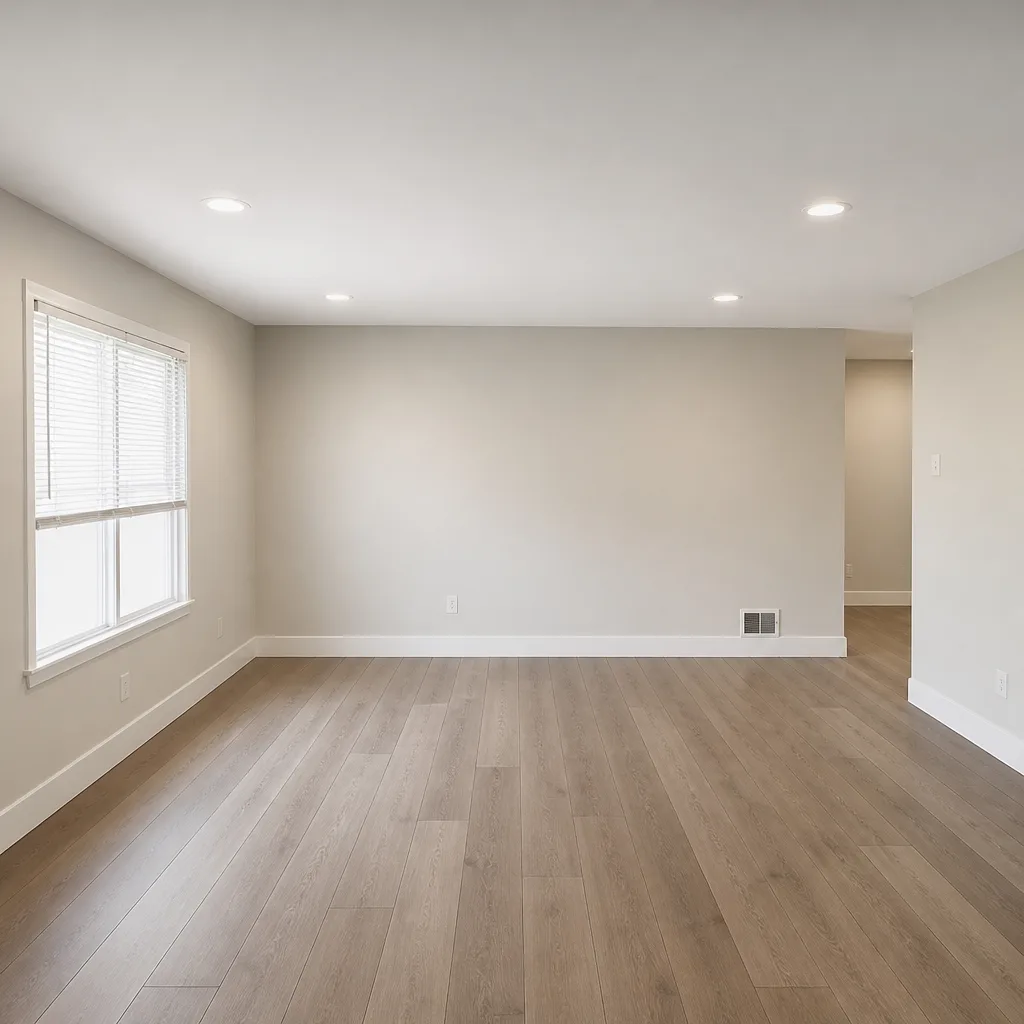
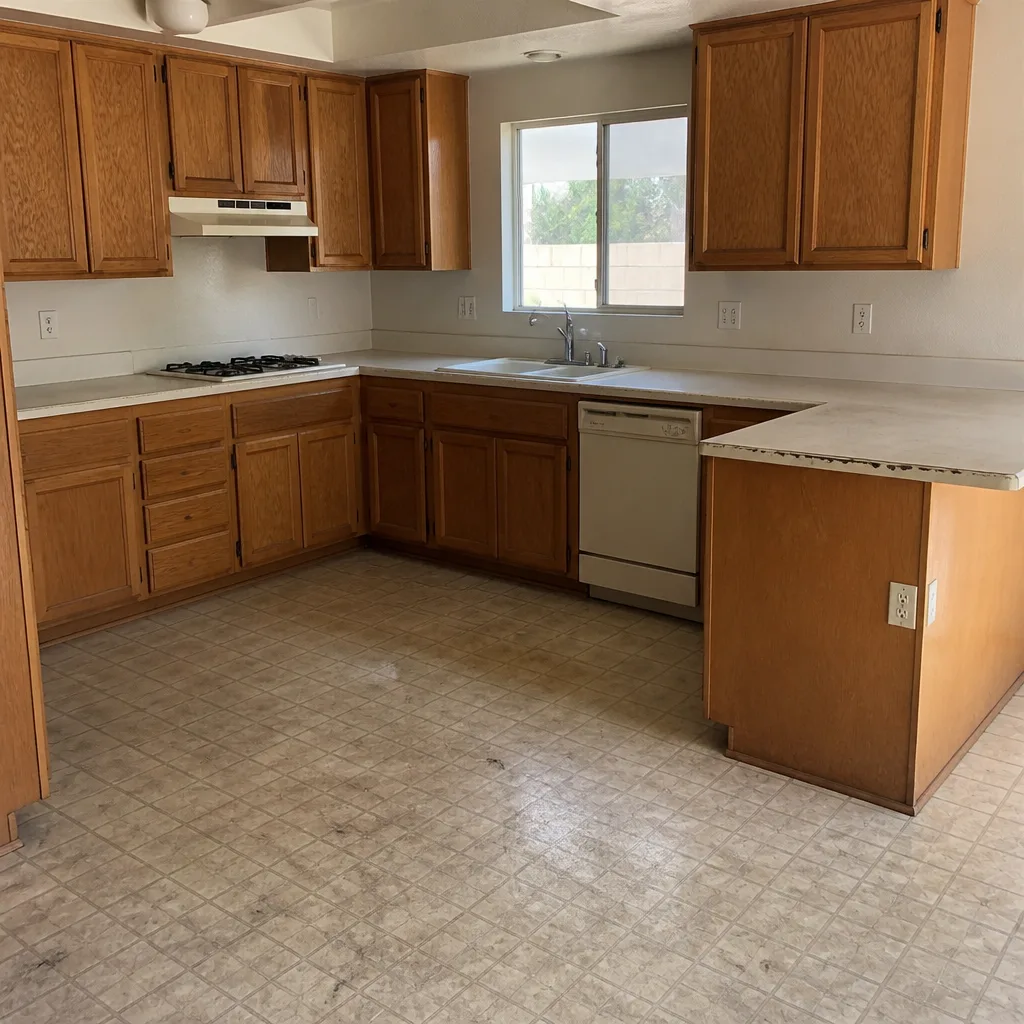
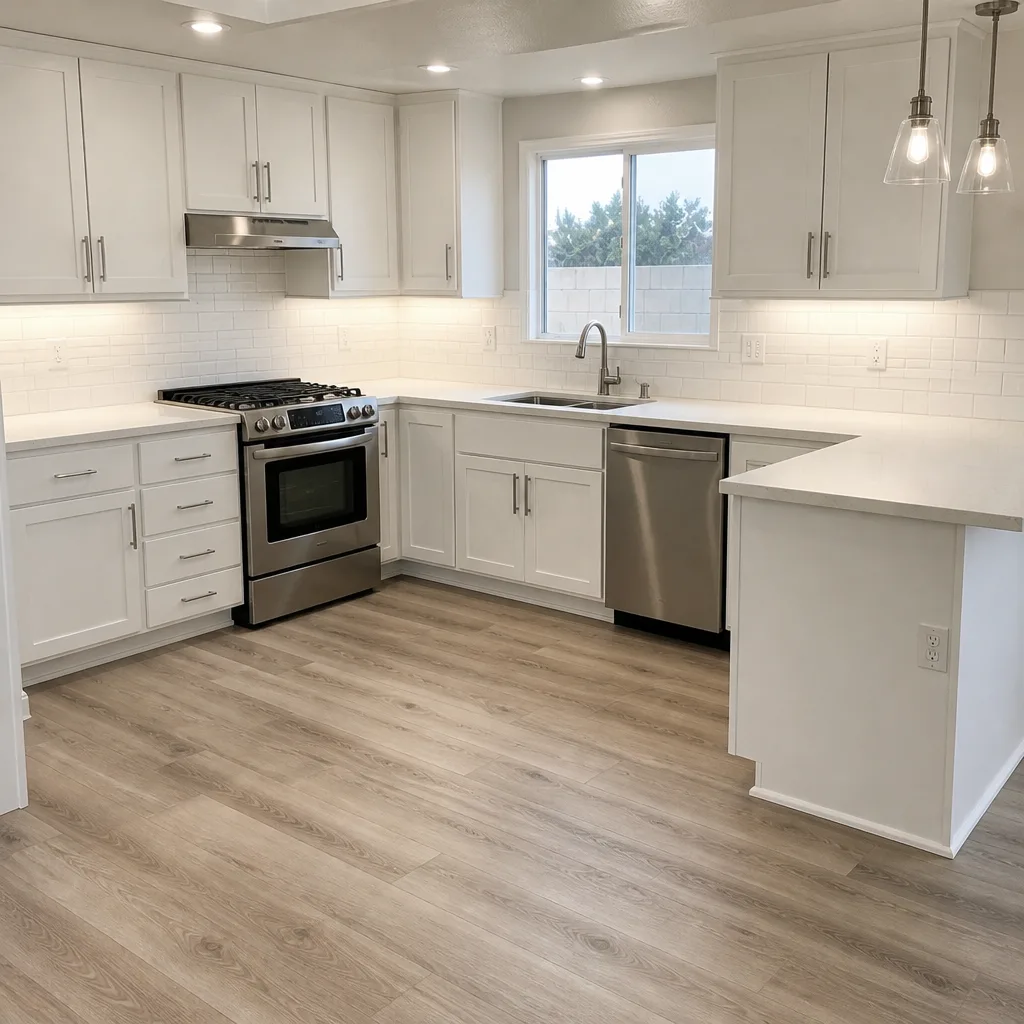
See the difference
 Before
 After
 Before
 After
 Before
 After