
Last updated October 31, 2026
 Kitchen remodeling
 Bathroom remodeling
 Home additions & ADU
 Roofing
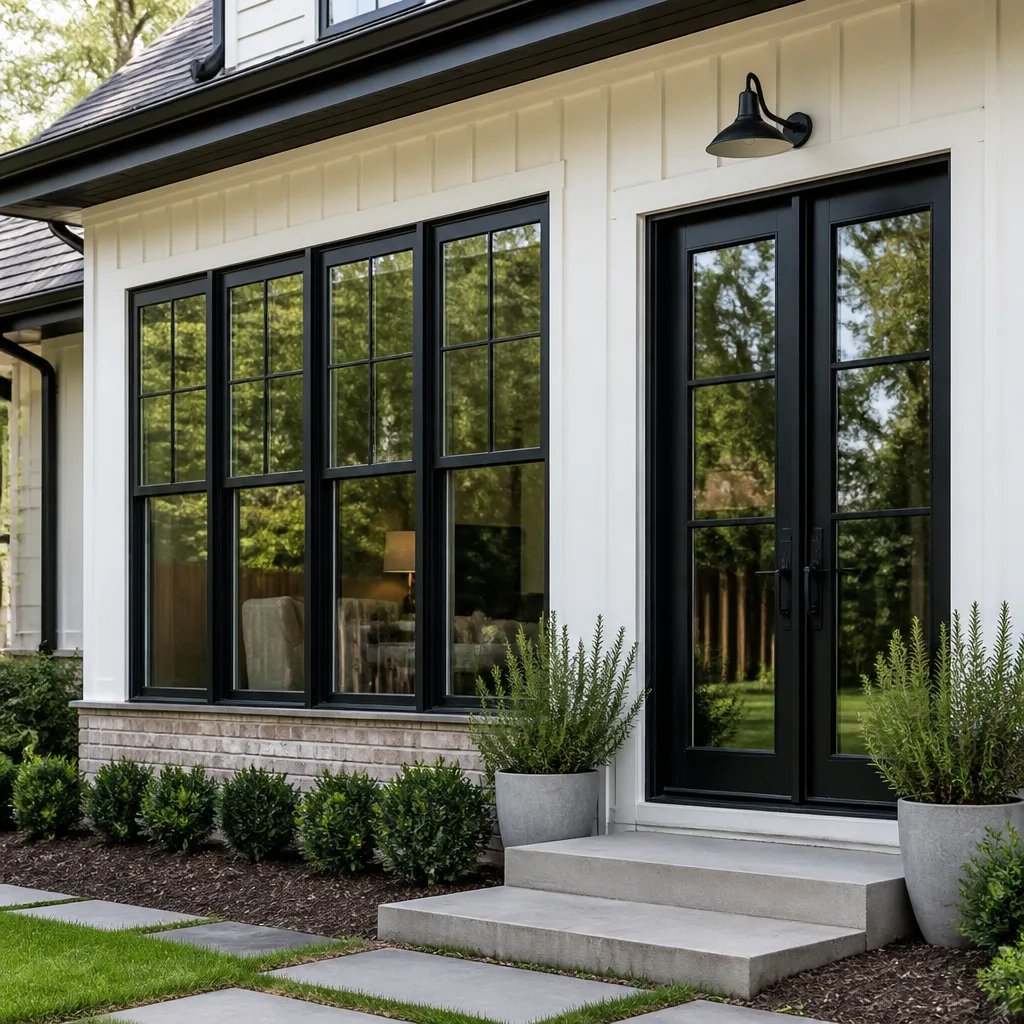 Windows & doors
 Driveway & pavers
 Fence
Free written scope consultation - allowances, timeline, and change-order rules on paper before a single trade is scheduled
How to Hire a Construction Contractor in Garden Grove: A Step-by-Step Guide
The lowest bid on a Garden Grove renovation project is almost never the cheapest outcome. It is usually the one that generates the most change orders, the most stalled weeks, and the most finger-pointing between trades. That is not speculation. We see the aftermath in homes throughout Garden Grove every season, from West Grove to the neighborhoods around Garden Grove Park. This guide reframes the entire hiring process around one principle: you are not shopping for a price. You are selecting for accountability. What follows is the exact process we recommend to homeowners deciding how to hire a construction contractor in Garden Grove, CA, based on two decades of watching what separates projects that finish from projects that fester. For The Complete General Contractor Guide for Garden Grove Homeowners and more guides & resources, visit our blog.
Styles & brands we work with
- Kitchen remodeling
- Bathroom remodeling
- Home additions & ADU
- Roofing
- Windows & doors
- Driveway & pavers
- Fence
Quick Answer
To hire a construction contractor in Garden Grove, CA, start by verifying the contractor’s license through the California Contractors State License Board (CSLB), checking that the license classification matches the scope of work. Then request a written contract that specifies payment schedules, lien release requirements, and a formal change order process before signing anything. Finally, verify who actually performs the work: a general contractor who self-performs multiple trades carries a different risk profile than one who subcontracts every phase.
Table of Contents
- Step 1: Verify the California Contractor License Through the CSLB
- Step 2: Understand What the License Classification Actually Tells You
- Step 3: Ask the Subcontractor Questions That Reveal Accountability
- Step 4: Read the Contract for the Clauses That Protect You
- Step 5: Why Self-Performed Trades Change Your Risk Profile
- Step 6: Spot the Garden Grove Red Flags Before You Sign
- Common Mistakes to Avoid
- When to Call a Professional
- Frequently Asked Questions
- The Bottom Line
Step 1: Verify the California Contractor License Through the CSLB
Before you look at a single material sample or discuss a single design detail, you verify the license. In California, any contractor performing work valued at $500 or more in labor and materials must hold a valid license issued by the Contractors State License Board. Garden Grove sits in Orange County, where unlicensed operators are a persistent problem, particularly in the roofing, fencing, and hardscape trades. The CSLB maintains a free online license lookup tool that takes about three minutes to use.
Here is the verification sequence we recommend to every Garden Grove homeowner:
- Go to the CSLB license check page and enter the license number the contractor provided.
- Confirm the license status reads “Active,” not “Expired,” “Suspended,” or “Revoked.”
- Confirm the business name on the license matches the name on the contract and marketing materials.
- Check the “Workers’ Comp” field. If it shows “Exempt” and the contractor claims to have a crew, ask why. A contractor without workers’ compensation who sends employees onto your property exposes you to liability.
- Look at the bond and insurance fields. The CSLB requires a $25,000 contractor bond. General liability insurance is separate. Ask for a certificate of insurance directly from the carrier, not a photocopy from the contractor.
License verification is not bureaucratic box-ticking. It is the first structural integrity check on the person who will be cutting into your walls and roof. A contractor who cannot produce an active license on request is telling you something about how they will handle change orders, inspections, and warranty work. Every Garden Grove remodeling project we manage begins with this verification, because accountability starts with a legal identity. For a deeper look at what a full-scope General Contractor in Garden Grove should hold, our license and insurance overview breaks down the coverages that matter on a residential site.
Step 2: Understand What the License Classification Actually Tells You
The CSLB license number is not a rubber stamp. It includes a classification letter or letters, and those letters define the legal scope of work the contractor may perform. This is where many Garden Grove homeowners get into trouble, because they verify that a license is active without reading what the license actually authorizes.
The most common classifications you will encounter on a Garden Grove remodeling project:
- “B” – General Building Contractor: The broadest classification. A B license permits the holder to perform or contract for two or more unrelated trades on a single project. If you are planning a Home Remodeling in Garden Grove that spans kitchen, bath, and structural changes, a B license is the minimum you should accept.
- “C” specialties: C-36 is plumbing, C-10 electrical, C-39 roofing, C-17 glazing. A specialty contractor may only perform work within that classification. A C-39 roofer cannot legally frame your ADU addition.
- “C-5” framing, “C-6” cabinet and millwork: These appear on interior remodels. The cabinet installer who is legally limited to C-6 work cannot pull the building permit for your full kitchen renovation.
- Combination licenses – “B&C” or multiple C listings: The license will show all active classifications. This is what you want to see when a contractor claims they can handle multiple trades.
The classification matters because it determines who can legally pull permits in Garden Grove’s building department, and who is legally responsible when an inspector flags work performed outside the licensed scope. A contractor working beyond their classification is doing unlicensed work for that portion of the project, regardless of how active the license number is. When we take on a full-envelope project, from the countertop to the roofline, our license classification is the reason we can sign a single contract for a kitchen remodel and a re-roof under the same accountable roof. That is the structural difference between a general contractor and a specialty crew.
Step 3: Ask the Subcontractor Questions That Reveal Accountability
Every general contractor uses subcontractors. The question is not whether subs exist. The question is what the GC actually controls. In Garden Grove, where renovation demand cycles hot and cold with the real estate market, the difference between a well-run project and a stalled one often comes down to subcontractor management. Here are the five questions we think every homeowner should ask, and why the answers matter.
1. “Which trades do you self-perform with your own employees?”
A contractor who answers “none” is a paper GC. They are a scheduling service, not a builder. The work quality on your project depends entirely on whichever sub shows up that week. A contractor who self-performs at least one or two trades, whether framing, finish carpentry, or site supervision, carries direct skin in the outcome.
2. “How long have your primary subcontractors worked with you?”
A ten-year relationship with the same electrician means the GC knows that person’s work habits, cleanup standards, and reliability. A rotating cast of lowest-bid subs means you are paying the GC to manage strangers. One contractor. Every phase. That phrase only means something when the phases are performed by people the contractor actually knows.
3. “Who writes the subcontractor agreements, and do they include lien release language?”
This is the question almost nobody asks and everyone should. If the GC does not manage subcontractor payment through written agreements with lien release requirements, a sub who does not get paid can file a mechanics lien against your property, even if you already paid the GC in full. In California, mechanics lien law is aggressive. Protect yourself by requiring lien releases from every sub at every payment milestone.
4. “What happens when a sub fails or walks off the job?”
The answer reveals the GC’s contingency plan. A responsible contractor has backup relationships or self-performance capability. A weak one says “that hasn’t happened to us” and stops talking. In Garden Grove’s market, where good trades are busy, subs do occasionally overbook. You want to know who solves that problem before it becomes your problem.
5. “Who is on site every day, and who do I call when something goes wrong?”
If the answer is a different person for each trade, you are the general contractor now. If the answer is one project lead employed by the GC, you have an accountable relationship. This is the single biggest difference between a Home Renovation in Garden Grove that runs on rails and one that runs on voicemail.
The point of these questions is not to eliminate subcontractors. Every serious renovation uses them. The point is to determine whether the GC manages subcontractors or merely dispatches them. In our experience, the projects that finish on schedule in Garden Grove are the ones where the homeowner can name one person who answers for every trade on site.
Step 4: Read the Contract for the Clauses That Protect You
Most construction contract disputes are not about bad work. They are about misunderstandings over money and scope. The contract is where those misunderstandings are decided, for better or worse. Before you sign anything in Garden Grove, read for these specific clauses. If one is missing, ask why.
The payment schedule. In California, the deposit on a home improvement project is legally capped at the lesser of $1,000 or 10% of the contract price. Any contractor asking for 30% or 50% down is violating state law. Beyond the deposit, payments should be tied to completed milestones, not calendar dates. “Pay 30% after rough framing inspection passes” protects you. “Pay 30% on day 30” does not.
The change order process. Every project has changes. What matters is how they are documented. A proper contract includes a written change order provision: scope change, price change, schedule impact, all in writing, all signed by both parties before the work begins. If a contractor tells you change orders are “no big deal, we’ll figure it out verbally,” you are signing up for a job where the final bill will not resemble the original bid.
Lien release language. The contract should require the contractor to provide conditional and unconditional lien releases at each payment milestone. This is the document that proves a sub or supplier has been paid and cannot file a mechanics lien on your Garden Grove home. Without it, you can pay the full contract price and still face a lien from a sub the GC never paid.
Warranty terms. California law requires a one-year “fit and finish” warranty on new construction and remodeling work. Many contracts simply reference this statutory minimum. Better contracts specify it in writing. The best ones extend beyond it for specific trade items, especially when manufacturers like CertainTeed or Owens Corning back the roofing system with their own material warranties. Ask what the written warranty covers, how long it runs, and what the claims process looks like.
Dispute resolution. A clause specifying mediation before litigation is standard and reasonable. A clause requiring binding arbitration in a venue 300 miles away is a red flag. Read it carefully. If you cannot understand a clause, that is not a signal that you are not smart enough. It is a signal that the clause needs plain-language explanation. A contractor who cannot explain their own contract in clear English is a contractor you should not hire.
Step 5: Why Self-Performed Trades Change Your Risk Profile
Here is the structural truth most hiring guides in Garden Grove skip: a general contractor who self-performs multiple trades carries fundamentally different risk than one who subcontracts everything. This is not a philosophical preference. It changes who is responsible when a window leaks or a tile cracks.
When a GC self-performs a trade, say framing or carpentry or hardscape installation, that work is performed by employees under the GC’s direct supervision. The GC’s license covers that work. The GC’s insurance covers that work. The GC’s reputation is directly attached to that work. There is no third party to blame, no sub to chase, no gap between “who installed it” and “who signed your contract.” The chain of accountability is two links long: you, and the contractor.
When a GC subcontracts a trade, the chain lengthens. You sign with the GC. The GC signs with the sub. The sub may sign with a supplier. A failure at any link means the homeowner, who paid the GC in full, is now waiting for the GC to extract a fix from someone else. That is not to say subs are bad. They are not. There are excellent subs in Garden Grove. But the GC who manages them well is doing real work. The GC who just hands them a schedule and a check is doing paperwork.
This is why we structure our work the way we do. Our team self-performs interior carpentry and finish work, and we manage exterior scopes like roofing, siding, and hardscape through long-standing relationships with crews we have worked with for years. We spec the right material for your project, not the easiest one to install, because the person accountable for the installation is also the person accountable to you. That is the model Garden Grove homeowners should be looking for: enough self-performance that the contractor owns the outcome, enough trade specialization that each phase is done by someone who does that phase every day.
Step 6: Spot the Garden Grove Red Flags Before You Sign
Garden Grove has a specific contractor market with specific failure patterns. Here are the red flags we tell friends and neighbors to watch for, based on what we have seen in homes across the city. For a deeper look at protecting your investment, see Choosing the Right Construction Brand: A Buyer’s Guide for Garden Grove.
The bid that is structured to win low and charge high. A scope of work that omits obvious, necessary items, such as permits, dumpster fees, or the demolition of the old surface, is not a cheap bid. It is a bid with the expensive parts hidden for later. Compare bids line by line. If one GC lists a new electrical subpanel and another does not, the lower number is not a better deal. It is an incomplete project.
Unlicensed labor operating door to door. After major storms or during building booms, Garden Grove sees an uptick in unlicensed crews soliciting roofing and fence work. They often target older homes in established neighborhoods near downtown. If the “contractor” cannot produce an active CSLB license number printed on their vehicle, their card, and their contract, walk away. If they want cash or a large deposit before starting, walk faster.
The rush to start. A legitimate contractor schedules work based on permit timelines and material lead times. A contractor who can start your full kitchen remodel “tomorrow” in Garden Grove is either not pulling permits, not ordering materials yet, or not busy for a reason. Mid-range kitchen remodels in Orange County routinely require six to ten weeks of design, permitting, and material procurement before the first hammer swings. Faster is not better here. Faster is a warning.
Vague scope language. “Remodel kitchen” is not a scope of work. “Demo existing cabinets, countertops, and backsplash; install new KraftMaid cabinets per layout drawing dated [date]; install new Silestone countertop with standard edge profile; reconnect existing plumbing fixtures per code” is a scope of work. The more specific the line items, the more protected you are. Vague scopes generate change orders. Specific scopes generate finished projects.
The portfolio with no local addresses. A Garden Grove contractor should be able to show you work in Garden Grove, Westminster, Santa Ana, or nearby Orange County cities. A portfolio of projects from out of state, stock photos, or renderings only is a sign that the company is new, relocating, or not who they claim to be. Ask for local references. Call them. Drive by the completed project if you can.
Common Mistakes to Avoid
- Hiring on price alone. The three-bid system selects for the contractor who is best at lowballing, which is a different skill from building. A multi-trade renovation in Garden Grove that goes wrong costs far more than the difference between the low bid and the responsible bid. Price matters; price alone is a trap.
- Skipping the CSLB check because the contractor is “referred.” Referrals are valuable, but a friend’s positive experience does not confirm license status, bond status, or insurance coverage. Verify every contractor, every time. The CSLB lookup takes minutes.
- Signing a contract without a written change order clause. Verbal change orders are how a $40,000 remodel becomes a $65,000 remodel. Without a written process, you have no record and no leverage. Every change in writing, signed by both parties, before work begins.
- Paying large upfront deposits. California caps the initial deposit at 10% or $1,000, whichever is less. Any contractor requesting more is either unaware of the law, which is disqualifying, or violating it, which is worse. Payments should follow completed milestones, not precede them.
- Assuming a building permit is optional. Some Garden Grove homeowners, particularly on older homes that have had decades of unpermitted additions, are tempted to skip permits to save time and money. That decision only works until you sell the house, file an insurance claim, or a neighbor complains. Unpermitted work is a liability, not a shortcut.
- Treating the contract as boilerplate. The contract is the single most important document in the entire project. It is not a formality. It is the legal definition of what you are paying for, when you will pay it, and who is responsible when something goes wrong. Read every line.
When to Call a Professional
The short answer: before you sign anything, and ideally before you start collecting bids. The homeowner who calls a contractor early in the process, before the design is frozen and the budget is set, gets better outcomes because the contractor can flag structural realities, permitting requirements, and material lead times before they become surprises. If your project spans multiple trades, which nearly every meaningful Garden Grove renovation does, you need a general contractor, not a sequence of specialty calls. For year-round maintenance advice, read our Seasonal Construction Care for Garden Grove: Year-Round Homeowner’s Guide. If your project involves roof work, especially any steep-pitch or multi-story roof, do not attempt to inspect or repair it yourself. High-angle work without the right safety equipment is how homeowners end up in emergency rooms, and a professional roof inspection costs less than a copay. Garden Grove Contractors offers free estimates in Garden Grove, call (877) 373-9230 to schedule yours. Get the scope defined before you commit to the spend.
Frequently Asked Questions
General contractor fees in Garden Grove typically run 15% to 25% of the total project cost for full management of a remodel or renovation, meaning a $50,000 kitchen remodel carries a GC fee between $7,500 and $12,500. Smaller jobs often fall toward the higher percentage because the management overhead does not scale down. Call (877) 373-9230 for an exact quote on your specific project, estimates are free.
You verify a contractor’s license through the Contractors State License Board website, cslb.ca.gov, using the license number the contractor provides. The lookup shows current status, classification, bond information, and any disciplinary actions. An active license with a B classification is what you need for a multi-trade Garden Grove renovation.
The price should only change if the scope changes, and every scope change should be documented through a written change order signed by both parties before the work proceeds. Contractors who bid without site visits, without reviewing existing conditions, or with vague scope language are the ones whose prices creep upward. A detailed contract with a proper change order process is your protection against this.
Most structural, electrical, plumbing, and roofing work in Garden Grove requires a permit from the city’s building division, and your contractor should pull that permit in their name, not yours. A contractor who asks you to pull the permit yourself is shifting liability onto you. Cosmetic work like painting and flooring replacement generally does not require permits, but anything behind walls or above the roofline does.
A mid-range kitchen remodel in Garden Grove typically takes 8 to 12 weeks from demolition to final inspection, with 4 to 8 weeks of design, permitting, and material ordering before work begins. Custom cabinetry, engineered stone countertops, and appliance availability can extend that timeline. The contractors promising 3-week kitchen remodels are usually skipping permits or substituting lower-grade materials.
You hire a general contractor when the project involves two or more unrelated trades, because the GC holds a B license authorizing that scope and carries the contract for all of it. Hiring a series of specialists means you become the project manager, the scheduler, and the liability absorber. One contractor, one contract, one person answering for the entire project is the model that protects you.
The Bottom Line
Hiring a construction contractor in Garden Grove is a risk management exercise, not a price comparison. The contractor you hire is the person who will answer for your home when the unexpected happens, and on a renovation, the unexpected always happens. Verify the license, read the classification, ask the subcontractor questions, dissect the contract, and understand who is performing each trade. A contractor who welcomes those questions, answers them specifically, and puts everything in writing is a contractor worth hiring. A contractor who deflects them is not cheap. They are expensive in a way that shows up later. The decision is yours, and the work will be in your home for decades. Choose the contractor you want standing in that kitchen when something needs fixing in year five. For more guides & resources, explore our blog.
Written by the team at Garden Grove Contractors, serving Garden Grove since 2017. For more on our full-scope approach, visit the Garden Grove Contractors home page or call (877) 373-9230 for a free estimate.
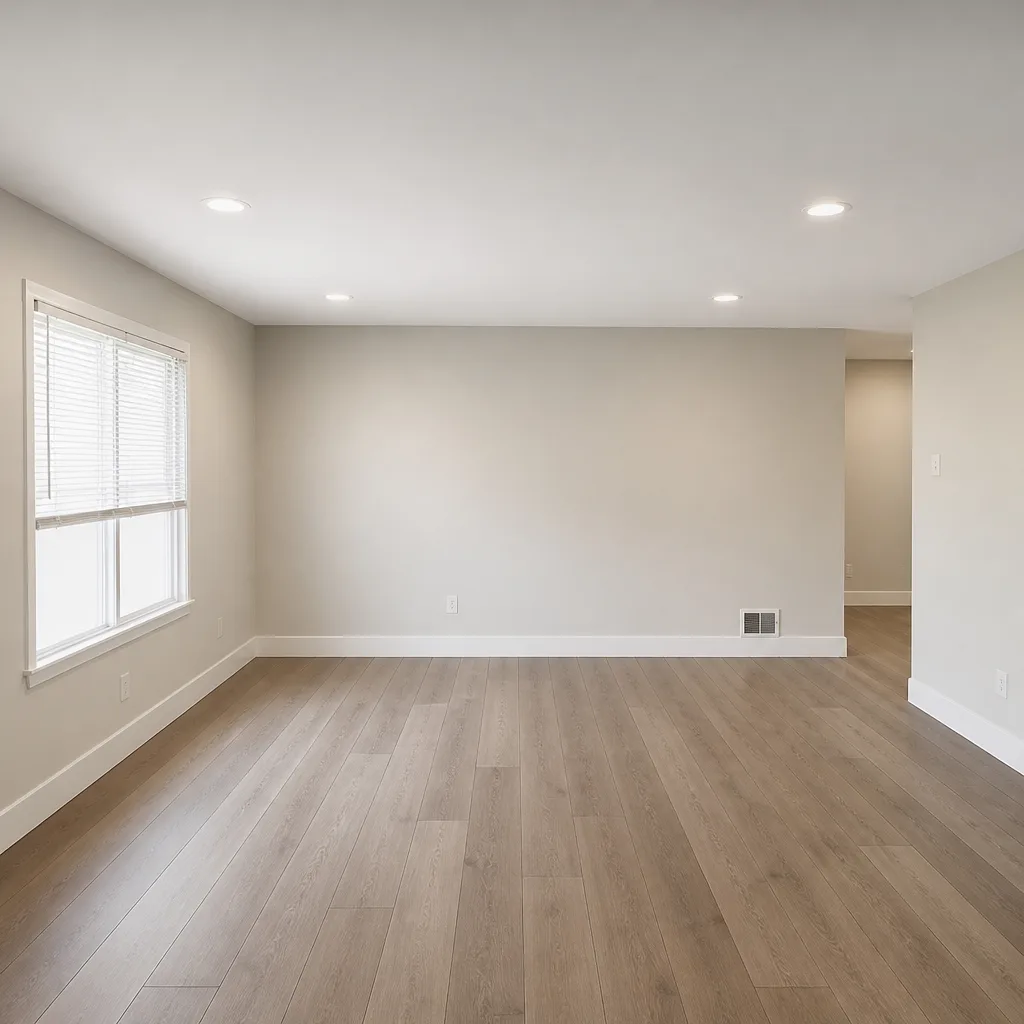
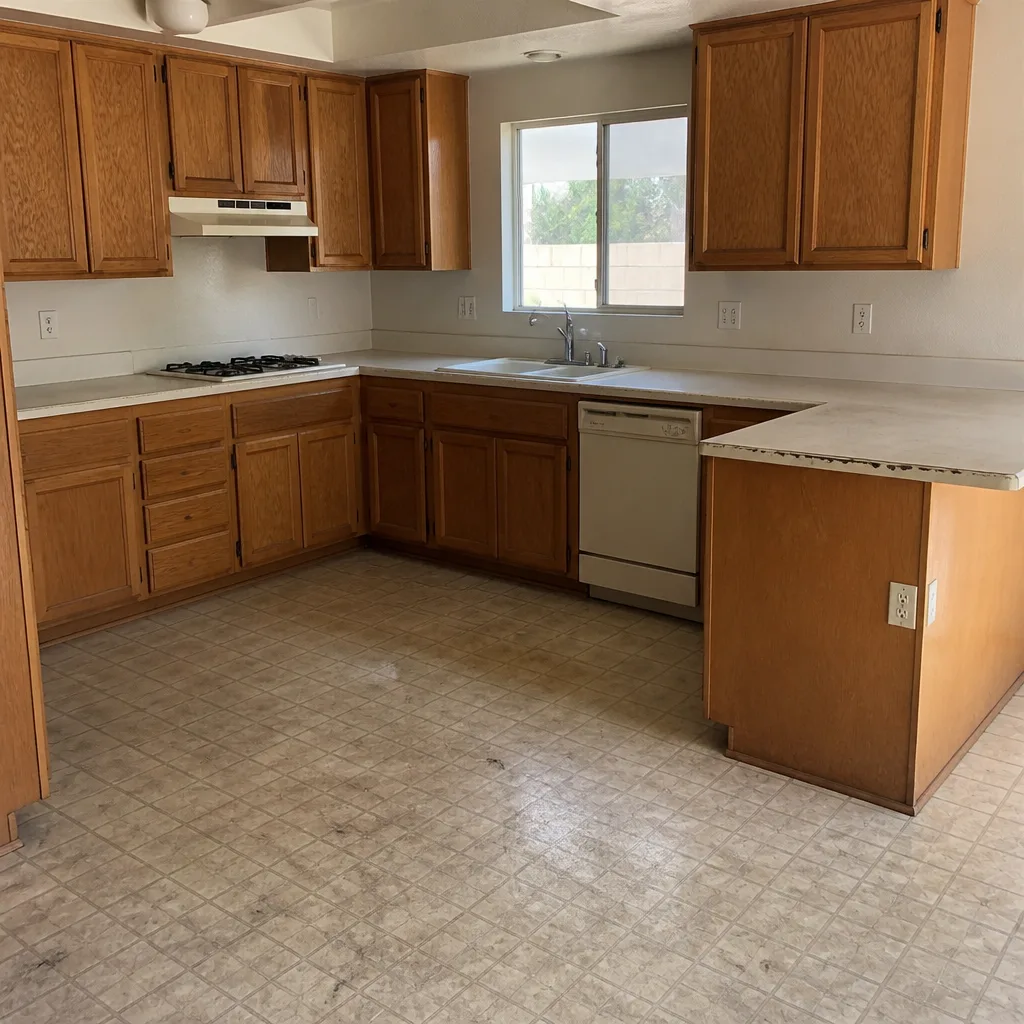
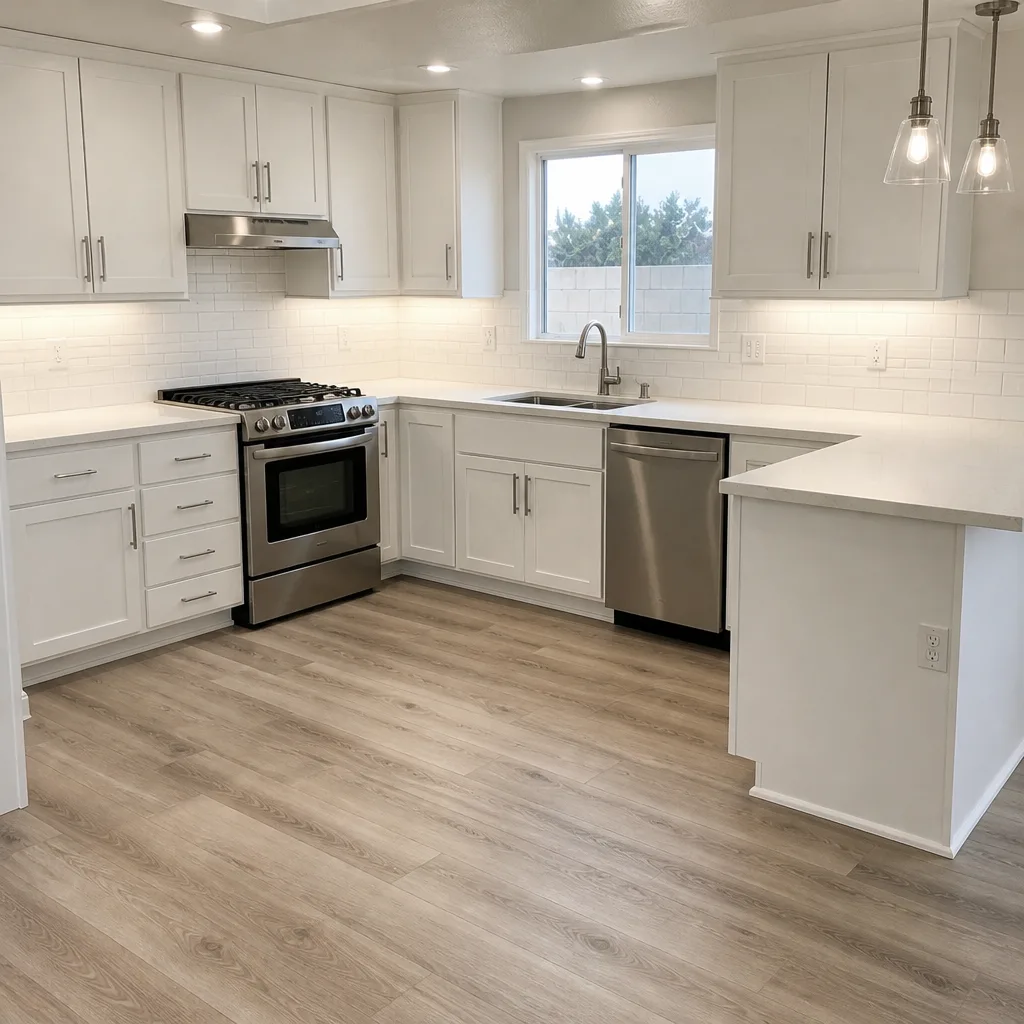
See the difference
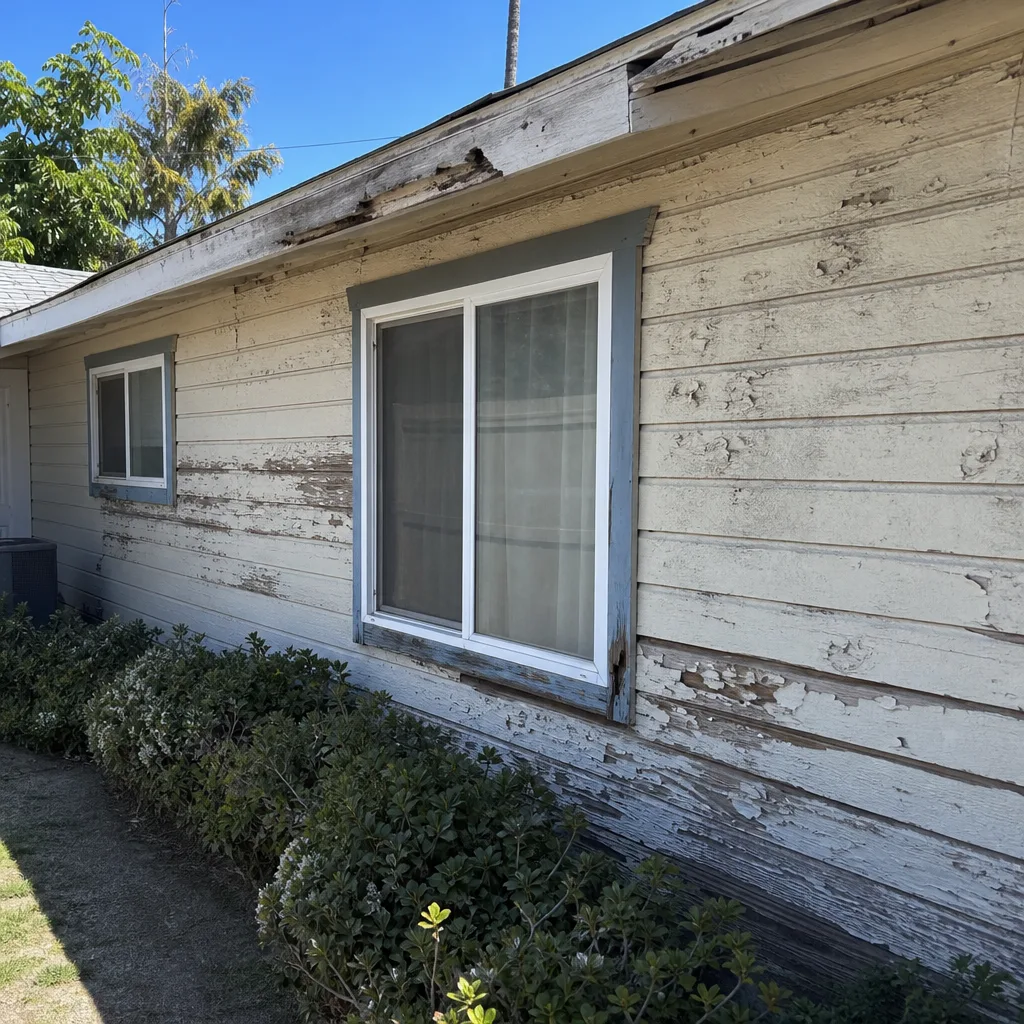 Before
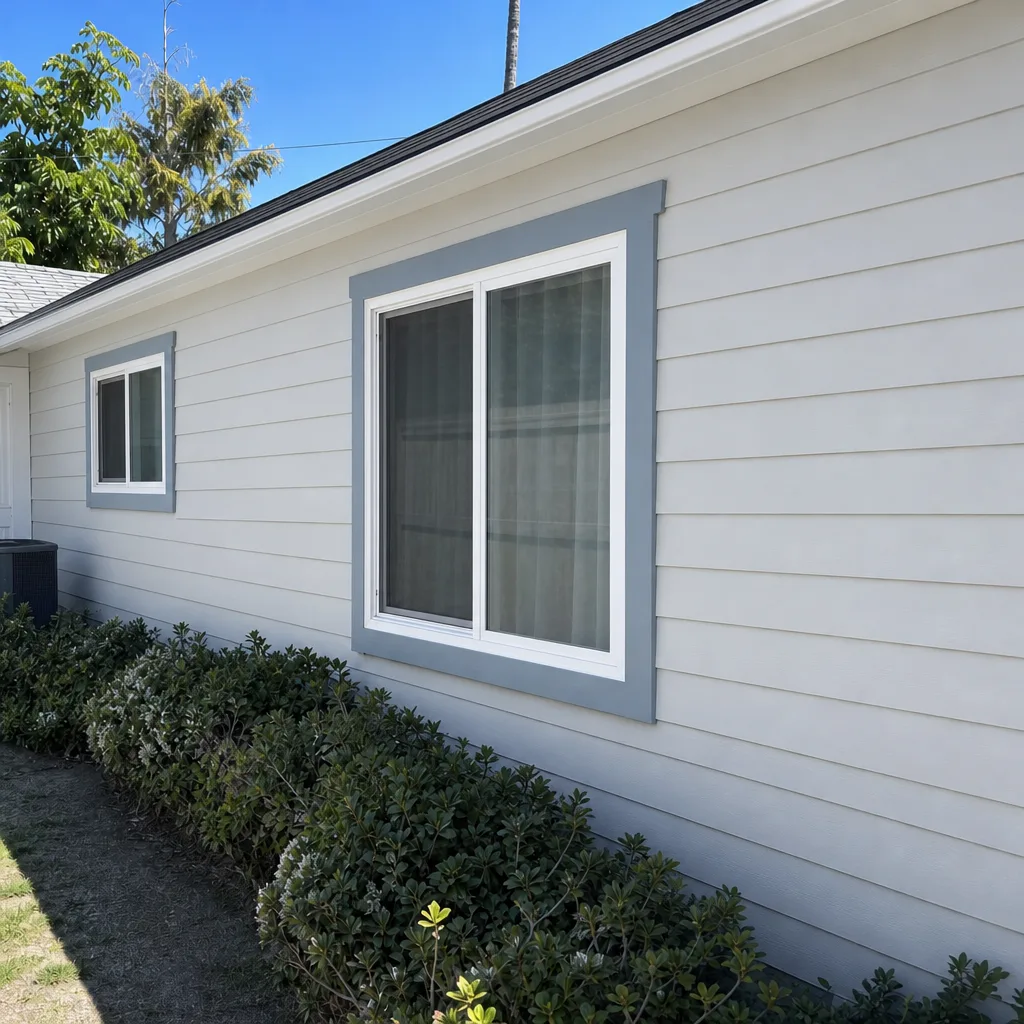 After
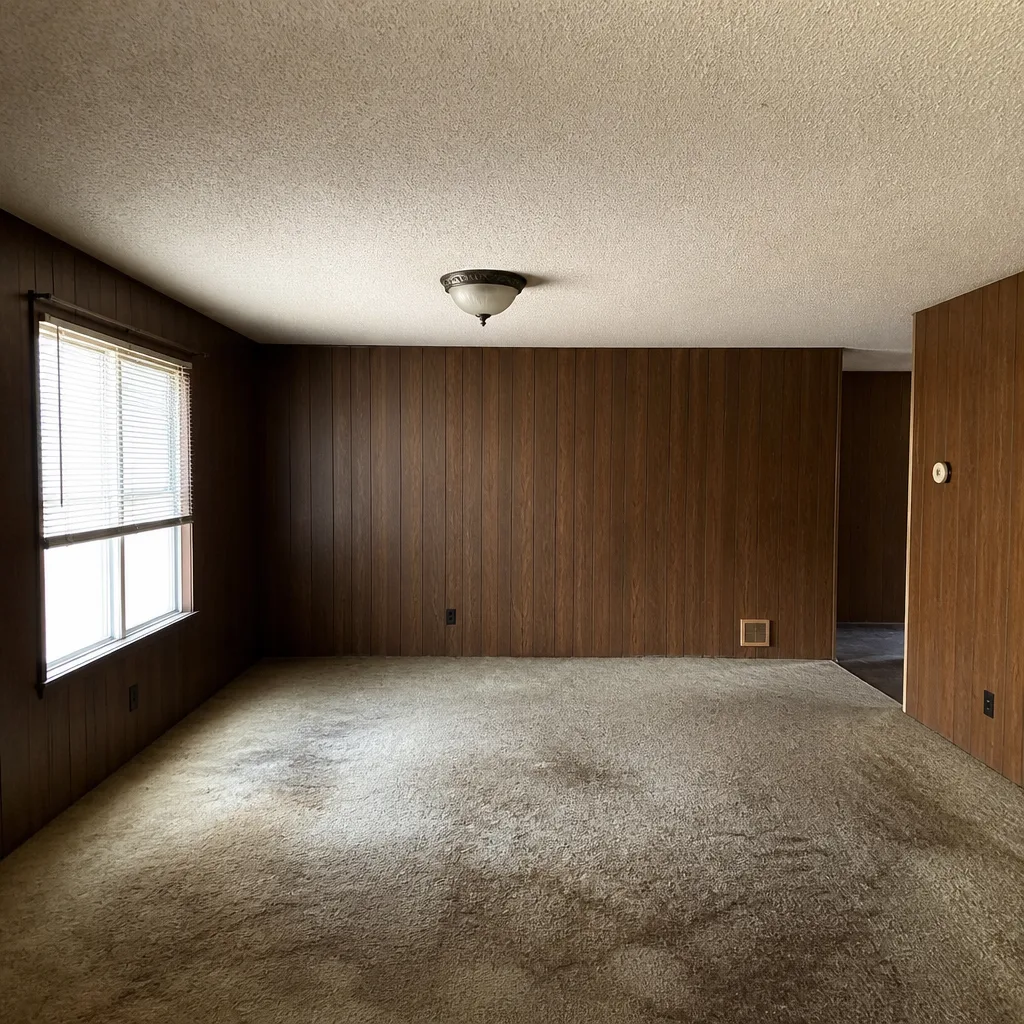 Before
 After
 Before
 After