
Last updated October 31, 2026
 Kitchen remodeling
 Bathroom remodeling
 Home additions & ADU
 Roofing
 Windows & doors
 Driveway & pavers
 Fence
Free written scope consultation - allowances, timeline, and change-order rules on paper before a single trade is scheduled
General Contractor Troubleshooting: Common Problems and How to Fix Them
A contractor showing up late every third day isn’t a professionalism problem. It’s almost always a scheduling conflict caused by overlapping jobs that your contract failed to prevent. Most homeowners in Garden Grove spend weeks or months frustrated with a contractor before realizing the real issue isn’t the person swinging the hammer. It’s the contract, the scope, or the absence of a single accountable party. This guide walks through how to diagnose what’s actually going wrong on your project, and what to do about it before a fixable problem becomes a lien, a lawsuit, or an abandoned job site.
Quick Answer
Problems with a general contractor fall into one of three categories: a performance failure (the contractor is doing bad work or not showing up), a contract failure (the scope, schedule, or payment terms were never properly defined), or a scope gap (work that nobody on the project owns, so it slips through entirely). The fix depends entirely on which category you’re dealing with. Most homeowners misdiagnose contract failures as contractor failures and then take the wrong action, wasting months and leverage.
Styles & brands we work with
- Kitchen remodeling
- Bathroom remodeling
- Home additions & ADU
- Roofing
- Windows & doors
- Driveway & pavers
- Fence
Table of Contents
- Performance Failure vs. Contract Failure: Why the Distinction Matters
- The Three Most Common Mid-Project Scope Disputes in Orange County
- What the CSLB Complaint Process Actually Resolves (And What It Doesn’t)
- Lien Waiver Tracking: Catching Payment Problems Before They Become a Mechanic’s Lien
- Project Delays: When They’re Legally Excusable in California and When They’re Breach
- Why Scope Gaps Happen When Too Many Contractors Share a Job
- How to Document a Contractor Problem So It Actually Counts
Performance Failure vs. Contract Failure: Why the Distinction Matters
When a contractor fails to show up for three days in a row, your instinct is to call them unreliable. But in our experience across Garden Grove and the surrounding Orange County market, missed days are more often a symptom of a contract that never established scheduling priority. A contractor running three concurrent jobs will allocate labor to whichever project is applying the most pressure. If your contract has no schedule clause, no daily delay penalty, and no defined completion date tied to a remedy, then the contractor isn’t technically breaching anything. They’re just managing their own risk. That’s a contract failure wearing a performance failure’s clothes.
Here’s how to tell the two apart:
- Performance failure: The work itself is defective, violates code, or deviates from the plans. The contractor is on site but producing substandard results, using unapproved materials, or ignoring the project’s written specifications. The remedy is usually a notice to cure, a stop-work directive, and potentially termination with a CSLB complaint.
- Contract failure: The work is fine, but the schedule, payment schedule, change-order process, or scope boundaries were never properly written down. The contractor isn’t doing anything the contract prohibits, because the contract doesn’t prohibit anything. The remedy is a contract amendment, not a complaint.
- Scope gap: Neither the contractor’s agreement nor any subcontractor’s scope covers a specific piece of the job. It doesn’t get done. No one is technically at fault, and the owner is left paying extra or living with incomplete work.
Understanding which category your problem falls into saves you from filing a complaint the CSLB can’t act on, from withholding payment on grounds that won’t hold up, and from firing a contractor when the real issue is a drafting error that any competent General Contractor in Garden Grove would have caught before you signed.
The Three Most Common Mid-Project Scope Disputes in Orange County
Scope disputes in Orange County residential work follow predictable patterns. Here are the three we see most often in Garden Grove, Westminster, Santa Ana, and Fountain Valley, along with the paper trail you need to resolve each one before it becomes a stalemate.
- Demo reveals conditions the plans didn’t address. A kitchen remodel opens a wall and finds galvanized supply lines that don’t meet current code, or a bathroom tear-out exposes rotted floor joists under the shower pan. The contractor issues a change order. The homeowner pushes back, believing the original bid should have covered it. The fix: Your original contract should state exactly how hidden or unanticipated conditions are priced, documented, and approved. In Garden Grove, where housing stock dates heavily to the 1950s and 1960s, unpermitted prior work and outdated plumbing are common. A good contract anticipates this before demo day. The paper trail: the original contract’s hidden-conditions clause, the contractor’s written change order with photos, and your written approval or rejection.
- Fixture allowances were set too low. The contract says “allowance for plumbing fixtures: $1,200.” You go to the showroom and pick a Kohler or Grohe setup that comes to $2,400. The contractor says the overage is yours to pay. You thought the allowance meant the full cost. The fix: Allowances must be itemized in writing with the exact products, model numbers, or at minimum a stated brand tier. A contract that says “client-selected plumbing fixtures” without naming a brand tier (builder-grade, mid-tier like Moen or Delta, premium like Kohler or Grohe) is a contract failure. The paper trail: the allowance schedule, the showroom quote, and any email or text confirming what the allowance covered.
- Exterior to interior transitions nobody claimed. A room addition ties into the existing stucco, but the stucco patching after framing isn’t in the framing scope, the drywall scope, or the finish scope. It sits undone for weeks. This is a classic scope gap, and it’s most common when the owner has hired separate contractors for interior and exterior work. The fix: One contract, one scope map, and one accountable party who owns every transition. When Garden Grove Contractors manages a Home Remodeling in Garden Grove, the scope map includes every seam, penetration, and transition between trades before anyone picks up a tool.
For each of these disputes, the resolution always comes back to the same thing: what was written down before the work started. Oral promises, handshake allowances, and “we’ll figure it out later” arrangements are how homeowners lose tens of thousands of dollars in Orange County.
What the CSLB Complaint Process Actually Resolves (And What It Doesn’t)
The California Contractors State License Board accepts complaints about active, expired, or unlicensed contractors. But the CSLB is not a court. It doesn’t award monetary damages, it doesn’t interpret your contract, and it doesn’t order a contractor to finish work. Most homeowners waste months filing the wrong type of complaint and then discover the CSLB’s jurisdiction doesn’t cover their core grievance.
What the CSLB can do:
- Investigate complaints about unlicensed contracting, fraud, and law violations.
- Take disciplinary action against a licensed contractor, including license suspension or revocation, citations, and fines.
- Require a contractor to correct code violations found by a building inspector.
- Refer consumers to arbitration through its mandatory arbitration program for disputes under $50,000.
What the CSLB cannot do:
- Force a contractor to refund money or pay damages.
- Resolve breach-of-contract disputes on the merits.
- Order a contractor to complete unfinished work.
- Act on disputes that are really about contract interpretation, schedule, or design intent.
Here’s the step-by-step for filing a complaint that actually fits the process:
- Verify the contractor’s license status on the CSLB website. If they’re unlicensed, that changes everything: you may not owe them anything for work over $500 in materials and labor under California law.
- Determine which CSLB complaint category applies. Contractual disputes go through arbitration or civil court, not a CSLB disciplinary complaint.
- Gather documentation: written contract, all change orders, all payment records, all photos and correspondence. The CSLB dismisses complaints with thin paper trails.
- File online or by mail, and expect a response within a few weeks. The CSLB prioritizes cases involving unlicensed activity, fraud, and safety hazards.
- If your dispute is really about the contract, go to arbitration or file in small claims court (for disputes up to $12,500 in California) rather than waiting on a CSLB investigation that won’t recover your money.
We should be direct about this: if your contractor is licensed, performing work, and the only dispute is over finish quality, schedule, or whether a change order was justified, the CSLB is unlikely to help you recover anything. That’s a contract issue. The best protection is a contract that’s written properly in the first place, from a contractor who manages the whole project under one agreement. That’s what a full-scope Home Renovation in Garden Grove should include from day one.
Lien Waiver Tracking: Catching Payment Problems Before They Become a Mechanic’s Lien
A mechanic’s lien is filed against your property by a subcontractor, supplier, or laborer who wasn’t paid. It doesn’t matter whether you paid the general contractor in full. If the GC didn’t pay the subcontractor who installed your PGT windows or the supplier who delivered your GAF shingles, that subcontractor or supplier can lien your house. This is one of the most common and financially painful homeowner experiences in California construction, and it’s almost entirely preventable with lien waiver tracking.
A lien waiver is a legal document signed by a subcontractor or supplier that waives their right to file a lien against your property in exchange for payment. There are two types:
- Conditional waiver: Signed before payment, takes effect only when the check clears. This is the standard mid-project document.
- Unconditional waiver: Signed after payment has cleared, gives up lien rights immediately. This is what you want before releasing final payment.
Here’s the tracking system that catches payment mismanagement early:
- Before releasing any progress payment, require the general contractor to provide a conditional lien waiver from every subcontractor and supplier who has billed for work completed in that draw.
- Cross-check the waiver list against the contractor’s payment application. If a sub or supplier appears on the pay app but is missing from the waiver list, hold the draw.
- After payment clears, require the unconditional waivers within 10 days. Log them in a simple spreadsheet: trade, company name, payment amount, waiver received, date.
- If your contractor cannot produce waivers from any sub who worked on your home, send a written demand. If they still can’t, you have discovered a real payment mismanagement problem before it becomes a lien.
- On a job with any significant scope, consider ordering a preliminary notice log from the project’s start. In California, subs and suppliers must serve a preliminary notice within 20 days of first furnishing labor or materials to preserve their lien rights. That notice list tells you exactly who can lien you.
Most homeowners never see a lien waiver until a lien appears on title. The contractors who track this properly treat it as routine paperwork. If you ask for waivers and get resistance, you’ve learned something important about how your project is being run.
Project Delays: When They’re Legally Excusable in California and When They’re Breach
California courts recognize a distinction between an excusable delay and a breach of contract delay. The line is drawn by whether the cause of the delay was outside the contractor’s control and whether the contract anticipated it.
Legally excusable delays in California residential construction include:
- Weather events severe enough to prevent work, especially for exterior scopes like roofing, siding, or hardscape. Rain delays on a tear-off roof in Garden Grove are excusable; a contractor choosing not to show up on a dry day is not.
- Material shortages caused by events outside the contractor’s control, such as a manufacturer backorder on something specific like certain Cambria quartz slabs or a discontinued James Hardie siding color.
- Owner-caused delays, including selection delays, change orders, or access restrictions.
- Permit and inspection delays from the city, provided the contractor filed promptly and correctly.
Non-excusable delays that may constitute breach include:
- The contractor took on more work than they could staff and your project sits idle while their crew is on another job. This is the most common non-excusable delay we see in Orange County residential work.
- Failure to order materials on time. The lead time was knowable, the contractor simply didn’t release the purchase order.
- Repeated no-shows without communication, absent weather or supply justification.
- Work stopped pending payment disputes that were never documented or communicated.
The fix is always the same: a schedule clause in your contract that ties a completion date to a defined remedy, such as liquidated damages per day or a defined cure period after written notice. If your contract has no completion date at all, you have almost no enforceable delay claim. Two phone calls and an email trail establish the delay. That’s not enough. You need the contract to make the delay actionable, or you need to walk away before signing.
We also see homeowners misunderstand what “substantial completion” means. In California, substantial completion is the point where the owner can occupy the home for its intended purpose. That doesn’t mean the punch list is done. If your contract says “completion” without defining it, you’ll argue about it at the end. A well-drafted contract defines both substantial completion and final completion, and ties payment to each.
Why Scope Gaps Happen When Too Many Contractors Share a Job
Scope gaps don’t appear on jobs with one accountable general contractor. They appear on jobs where the homeowner is acting as their own GC, or where multiple trade specialists each write a narrow scope that excludes anything between their work and the next trade’s work.
Consider a common Garden Grove project: kitchen remodel, interior paint, a sliding patio door replacement, and a small hardscape patio upgrade. If you hire a kitchen remodeler, a painter, a window and door company, and a hardscape contractor, who owns the flashing where the new patio door threshold meets the new paver surface? Who owns the stucco repair where the door installers cut back the wall? Who owns the transition between the kitchen’s new flooring and the living room’s existing floor? The answer is usually: nobody. Each scope excludes work “by others,” and you are the “others.”
These gaps cost four figures or more to resolve after the fact, and they are the single biggest source of homeowner stress on multi-trade projects. The alternative is the model Garden Grove Contractors operates under: one contractor, one contract, every phase. This is not a convenience pitch. It’s a risk-allocation pitch. When one contractor holds the full scope from the countertop to the roofline, there is no gap to point at, because every seam belongs to the same accountable party.
The material sourcing matters too. A single-source contractor with curated access to 50-plus manufacturer brands across six trade categories specifies products that will actually arrive, work with the adjacent materials, and be installed by crews who understand them. When each trade procures their own materials, the waterproofing membrane behind the tile has to interface with the shower valve that a different plumber spec’d, and the window flashing has to marry the siding system that a different contractor chose. These interfaces are where the most expensive failures happen. We’ve seen Boral roof systems, PGT impact-rated windows, and James Hardie siding all specified correctly in isolation and installed together without a single transition detail captured. The products were fine. The integration wasn’t owned by anyone.
If you’re already in a multi-contractor project and discovering scope gaps, the fix is to hire one contractor to complete and integrate the unfinished work, under a written scope that itemizes every seam. Be prepared to pay for it. Scope gaps after the fact cost more than unified scope from the start. That’s not opinion, it’s arithmetic.
How to Document a Contractor Problem So It Actually Counts
When a project goes sideways, the strength of your position depends entirely on the written record. Conversations don’t count in arbitration, small claims, or a CSLB investigation. Texts and emails create a discoverable timeline. Photos with timestamps establish conditions. Here’s the documentation protocol we recommend to every homeowner in Garden Grove, whether we’re the contractor or you hired someone else.
- Keep a project log. A simple dated note in your phone: who was on site, what they did, what didn’t happen that day. Three lines, every workday. In a dispute, this log is persuasive because it’s contemporaneous.
- Take photos on a schedule. Same angles, every Friday. Not just when there’s a problem. A weekly photo series establishes progress or lack of it better than any argument.
- Put every instruction, change, and concern in writing. If you approve a change order verbally, send a confirmation text or email: “Per our conversation today, I approved the additional drain line for $400. Please confirm this matches your understanding.” This takes 30 seconds and memorializes the agreement.
- Send a formal notice of concern early. When a problem appears twice, send an email that says: “I’m documenting two missed workdays this week (attached photos). Please confirm your schedule for next week.” This creates a notification record that matters later.
- Escalate in writing before you withhold payment. California law gives contractors certain protections against improper payment withholding. Never stop payment without a written notice stating the specific deficiency and the amount being held. If you withhold without documentation, the contractor may be able to lien you successfully even if the work was defective.
- Keep every receipt, pay app, waiver, and change order in one folder. If you end up in arbitration, the party with the better paper trail usually prevails, regardless of who is more right.
Common Mistakes to Avoid
- Signing a contract with no schedule at all. Without a completion date and a remedy for missing it, you have no enforceable expectation about when the job ends. Garden Grove homeowners lose leverage in month six of a four-month job because there was never a four-month commitment in writing.
- File a CSLB complaint before speaking to the contractor in writing. Once you file, the cooperation dynamic changes permanently, and you may have closed a door that a written demand would have opened. Exhaust the direct resolution path first, with documentation.
- Releasing final payment before collecting unconditional lien waivers. The moment the check clears, your leverage to extract waivers drops sharply. No waivers, no final payment. This is industry standard. A contractor who objects is a risk you cannot afford.
- Treating allowances as fixed prices. An allowance is an estimate, not a guarantee. If your contract’s allowance schedule is vague, you will pay the overage. Define allowances by brand, model, or tier before you sign.
- Hiring a different contractor for each trade and expecting the seams to sort themselves out. Scope gaps are not failures of the trades; they’re failures of project integration. One accountable contractor eliminates the gap by definition.
- Waiting months to address a problem because you didn’t want to create tension. The most expensive problems in construction are the ones addressed late. Early, written, direct communication costs nothing and usually fixes the issue before it compounds.
- Accepting a verbal change order and then disputing the invoice later. In California, verbal change orders can be enforceable in many cases. If you didn’t want to pay for it, you should have refused it in writing before the work began.
See the difference
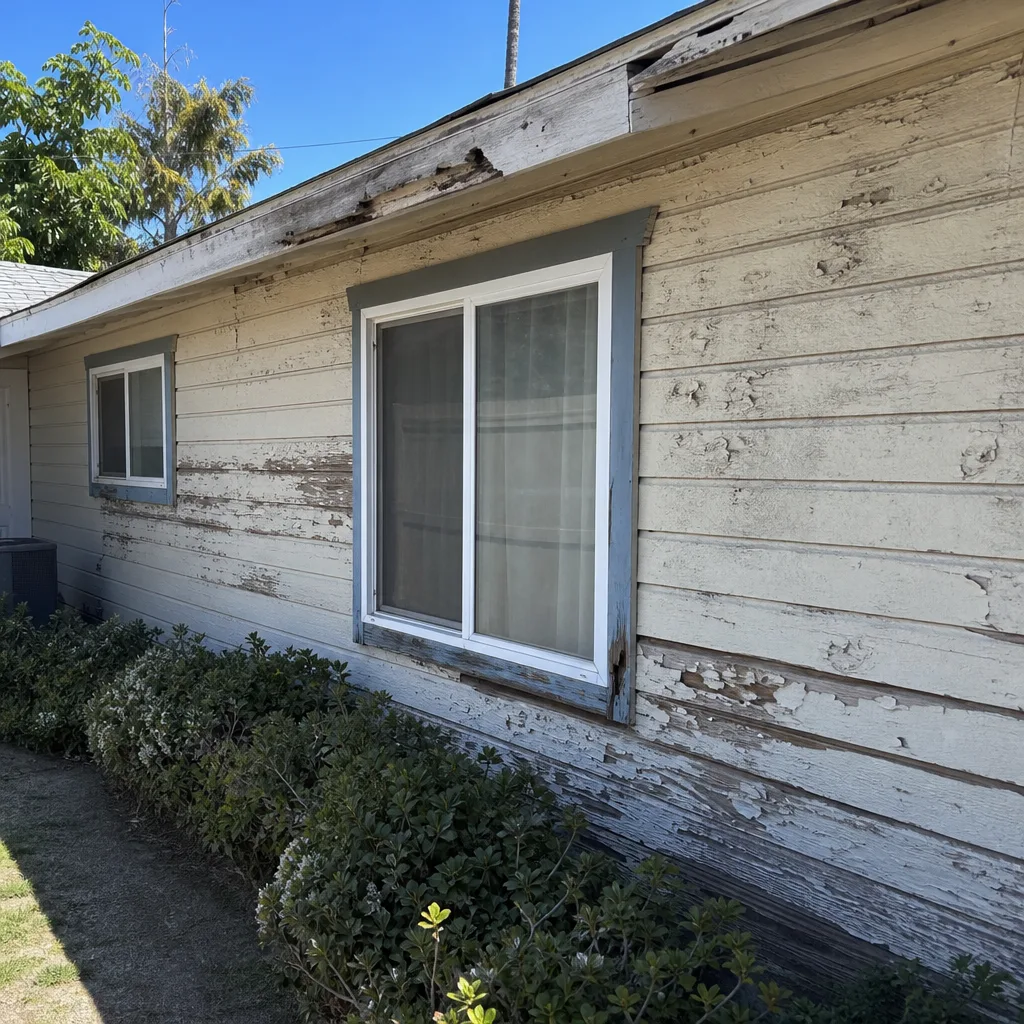 Before
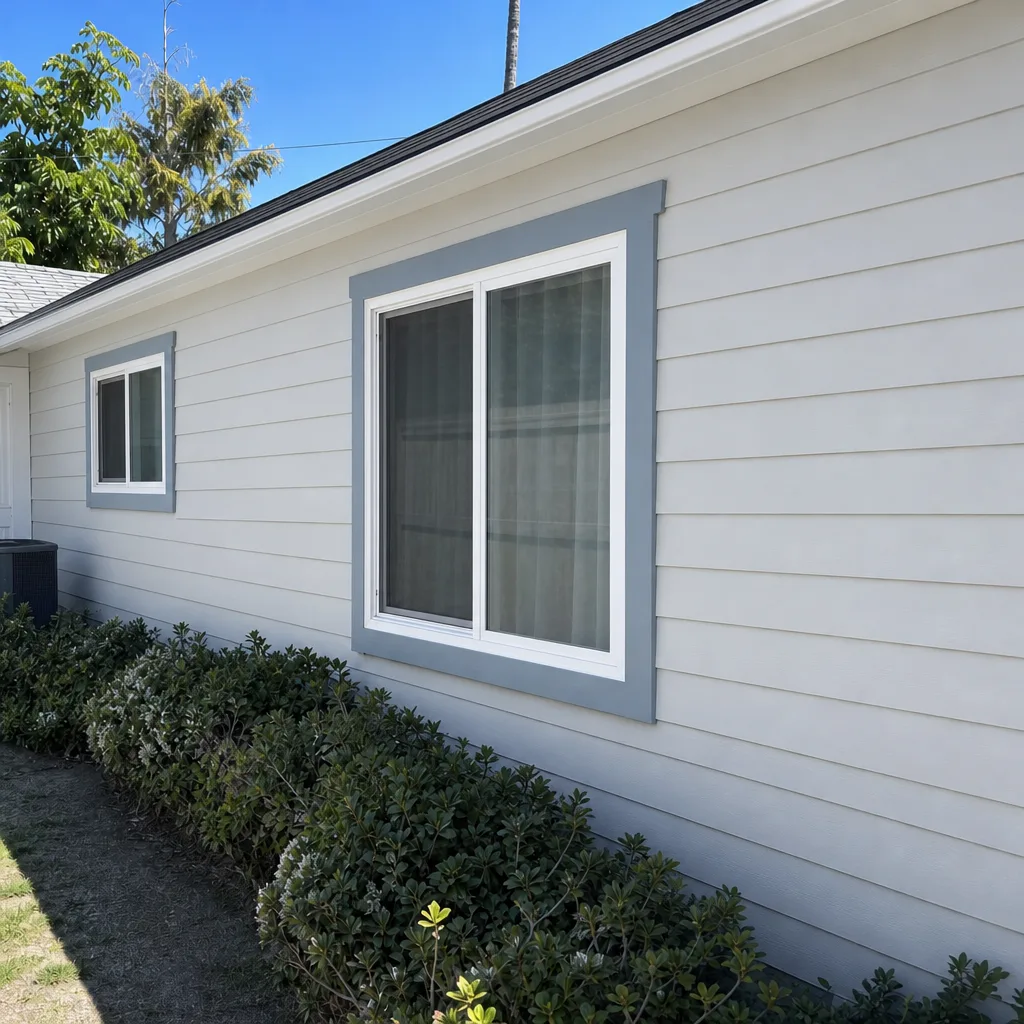 After
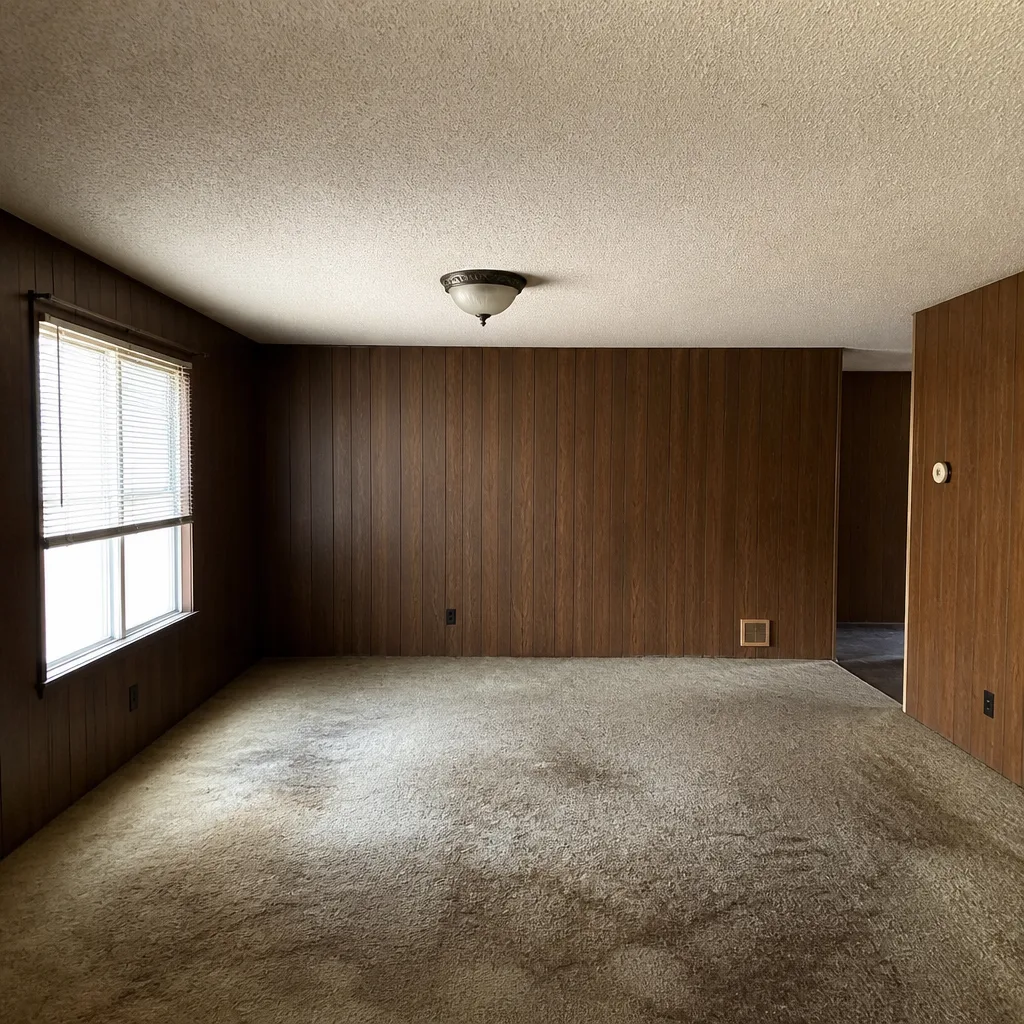 Before
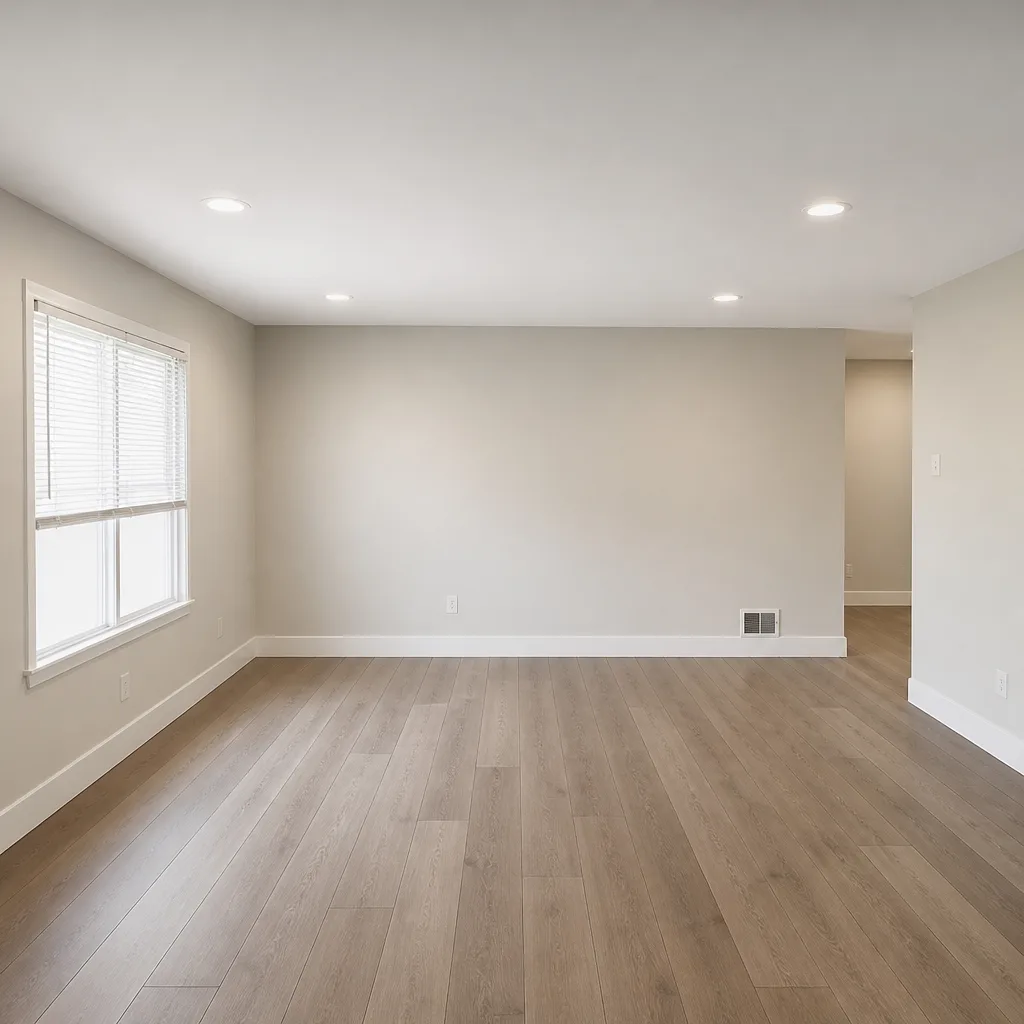 After
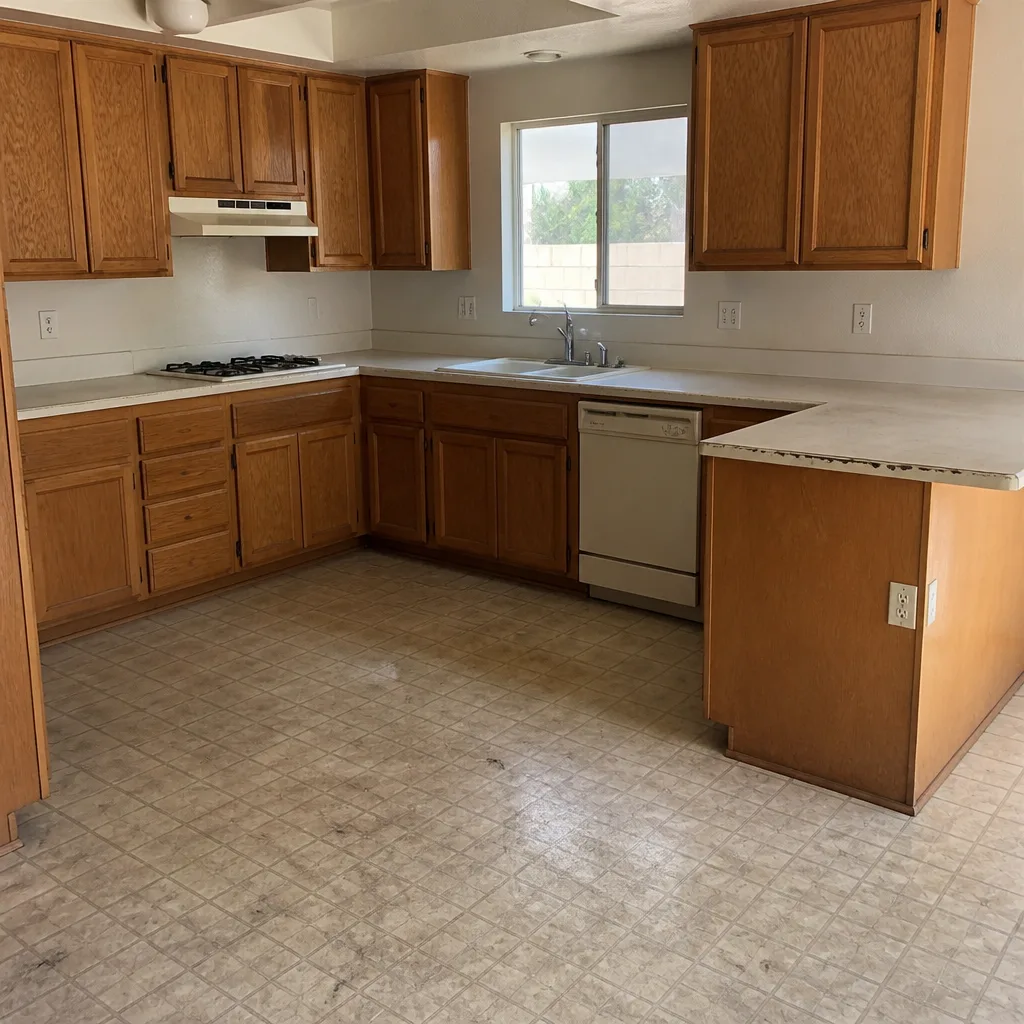 Before
 After
When to Call a Professional
If you’re looking at a contractor problem that involves structural work, code compliance, permit status, or a dispute high enough to potentially end in a lien or a lawsuit, stop troubleshooting it yourself. Call a professional who can evaluate the condition of the work, the state of the paperwork, and the viability of your position. This is where a full-scope general contractor with deep Orange County experience adds real value, whether you’re mid-project with another contractor and need a rescue, or you’re planning a project and want to avoid the problems in this guide altogether. For how to hire a construction contractor in Garden Grove: a step-by-step guide, see our detailed resource. Garden Grove Contractors offers free estimates in Garden Grove – call (877) 373-9230 to talk through your situation.
Frequently Asked Questions
First, send a written notice by text or email documenting the specific missed days and asking for a confirmed schedule within a stated timeline. A licensed contractor who abandoned a project without cause can face CSLB discipline, but you need the written record first. If they don’t respond or don’t return, your next step depends on whether the contract has a termination clause and what you’ve already paid. Don’t hire a replacement until you’ve documented the abandonment and, if necessary, filed a complaint with the CSLB.
Remediation costs vary widely by trade, but expect to pay 20 to 50 percent more than the original scope when correcting defective work, because the fix usually requires demolition of what was installed before rebuilding. Kitchen and bath corrections in Orange County commonly run $15,000 to $60,000 depending on the extent of the tear-out. Call (877) 373-9230 to have Garden Grove Contractors assess your specific situation and provide a written estimate.
You can withhold payment only for specific, documented, uncured deficiencies, and only after giving written notice and a reasonable cure period under California law. Withholding payment without documentation creates lien exposure and often converts a manageable dispute into a legal one. The stronger move is a written notice of deficiency with a defined amount held and a defined remedy that would release the hold.
CSLB investigations typically take three to twelve months depending on complexity, staffing, and the nature of the violation. If you need money back or work completed, arbitration or small claims court is usually faster and offers remedies the CSLB cannot provide. The CSLB is effective for unlicensed activity and serious violations; it is not a consumer-refund agency.
Yes, in the sense that a supplier can lien your property regardless of whether you paid your general contractor. The supplier’s remedy runs against the property, not the contractor’s obligation. That’s why lien waiver tracking on every draw is non-negotiable on any project of consequence in Orange County.
For a multi-phase project spanning interior and exterior work, one general contractor with full-envelope capability is almost always the lower-risk choice. For seasonal construction care for Garden Grove: year-round homeowner’s guide, see our related resource. A single accountable party owns every scope seam, every transition detail, and the overall schedule. Multiple specialists means multiple contracts, multiple schedules, multiple insurance policies, and no one person who owns the integration. That model works for isolated single-trade jobs. It underperforms on anything that touches two or more trades, which describes most significant Garden Grove renovations.
The Bottom Line
Most contractor problems start before anyone picks up a hammer. They start in the contract, in the scope definition, and in the decision about whether one party or five parties will own the project. Diagnose your problem accurately: performance, contract, or scope gap. Document everything contemporaneously. Track lien waivers on every draw. Know what the CSLB can and cannot do before you file. And if you’re planning a renovation in Garden Grove, choose a contractor who owns the full scope from the countertop to the roofline. Explore more guides & resources on our blog. Call (877) 373-9230 to schedule your free estimate.
Written by the team at Garden Grove Contractors home, serving Garden Grove since 2017.