
Last updated October 31, 2026
 Home additions & ADU
 Kitchen remodeling
 Bathroom remodeling
 Roofing
 Windows & doors
 Driveway & pavers
 Fence
Free written scope consultation - allowances, timeline, and change-order rules on paper before a single trade is scheduled
DIY vs Professional Construction: The Garden Grove Homeowner’s Decision Guide
Here’s a statistic most homeowners never hear: unpermitted work is cited in roughly one of every five California real estate transactions as a closing obstacle or price renegotiation trigger. Not as a footnote. As a deal-breaker. What starts as a $600 DIY electrical panel upgrade becomes a $4,800 correction, a delayed close, and a seller credit. This guide draws the actual lines, not the ones on YouTube thumbnails, and you can find more guides & resources on our blog. You’ll learn where DIY genuinely works in Garden Grove, where it becomes a liability, what the permit threshold actually is, and why the smartest homeowners treat the decision as a risk calculation, not a skill assessment.
Quick Answer
In Garden Grove, DIY makes sense for cosmetic and non-structural work like painting, flooring replacement, and landscaping. It stops making sense the moment the project involves electrical, plumbing, structural changes, roofing, windows, or anything requiring a permit under California Residential Code. The real dividing line isn’t your skill level, it’s whether the work creates unpermitted conditions that follow the property title and complicate insurance claims.
Styles & brands we work with
- Kitchen remodeling
- Bathroom remodeling
- Home additions & ADU
- Roofing
- Windows & doors
- Driveway & pavers
- Fence
Table of Contents
- The California Permit Threshold Test
- Where DIY Is Genuinely Viable in Garden Grove
- The Cascading Cost Problem
- How Insurance Claims Differ: DIY vs Professional Installation
- The Honest Total-Cost Comparison
- The Liability Question Nobody Asks
- Why Material Sourcing Changes the DIY Math
- What to Look For When You Do Hire
The California Permit Threshold Test
California Building Code, adopted by Garden Grove’s Building Division, requires permits for any work that alters a structure’s electrical, plumbing, mechanical, or framing systems. The threshold isn’t subjective. It’s written in code. And Garden Grove enforces it through point-of-sale inspection triggers and disclosure requirements that became standard practice in Orange County real estate transactions years ago.
Here’s the practical checklist we use to help homeowners in Garden Grove decide whether a permit applies:
- Does the work touch wiring, pipes, or gas lines? If yes, a permit is required. No exceptions for “minor” work. Replacing an outlet is one thing. Moving one is another.
- Does the work remove or alter any wall, beam, or roof framing? If yes, a permit is required. Even a small header change over a doorway qualifies.
- Does the work change the building envelope? Windows, exterior doors, roofing, siding replacement. Permit required in Garden Grove when materials or opening sizes change.
- Does the work involve water-resistant barriers? Shower pans, tub surrounds, waterproofing behind tile in wet areas. Permit required. This is where DIY bathroom remodels go wrong fast.
- Does the work add square footage or create a new living space? ADUs, garage conversions, sunroom additions. Permit required, full stop.
- Is the work purely cosmetic with zero system involvement? Painting, trim, flooring replacement, cabinet refacing. No permit needed. This is the legit DIY zone.
When a permit is required, California law mandates that the person performing the work hold the appropriate contractor’s license for any project exceeding $500 in combined labor and materials. That’s not a guideline. It’s Contractors State License Board regulation. A homeowner can act as owner-builder, but that route carries its own disclosure obligations when the home sells within five years, and most lenders in Garden Grove will scrutinize any owner-builder history with added conditions.
Where DIY Is Genuinely Viable in Garden Grove
Not everything needs a contractor. We tell Garden Grove homeowners this directly - guided by our General Contractor Maintenance Checklist for Garden Grove Homeowners - because honesty builds better working relationships than scarcity tactics. Some work is genuinely DIY territory, and the results can look professional with the right preparation.
- Interior painting. No permit, no license, no structural risk. Garden Grove’s mild climate means paint cures well year-round, though the dry Santa Ana winds in fall can cause roller marks if you’re not watching dry times.
- Landscaping and planting. No permit for standard planting beds, mulch, or irrigation repair on existing lines. If you’re adding a new irrigation run with new valves, check with the city on electrical and backflow requirements first.
- Non-structural deck board replacement. Swapping out decking boards on an existing frame is DIY-viable. Rebuilding the frame or changing joist spans is not. The line is the framing.
- Tile replacement in dry areas. Kitchen backsplash, fireplace surround, laundry room floor. No waterproofing involved, no permit trigger. Bathroom floor tile edges into permit territory when the subfloor gets involved.
- Cabinet hardware and fixture trim. Swapping knobs, pulls, and faucet trim plates is zero-risk DIY. Swapping the faucet itself touches plumbing and can void fixture warranties if installed incorrectly.
- Fence board replacement. Garden Grove gets real sun damage, especially on south-facing fence lines. Replacing individual pickets and rails on an existing post structure is straightforward DIY. Setting new posts means digging and concrete, which is where property lines and utility marking get involved.
The common thread: none of these projects touch a system that other systems depend on. When the work is contained, reversible, and cosmetic, DIY is a legitimate option. The problems start when containment fails. A good resource for scoping your project properly is our Home Remodeling in Garden Grove page, which breaks down where cosmetic work ends and system work begins.
The Cascading Cost Problem
Here’s a scenario we’ve seen unfold in Garden Grove more times than we can count. A homeowner replaces their own water heater. No permit. It works fine for three years. Then a slab leak develops, a restoration company opens the wall, and the adjuster notices the unpermitted water heater. The claim for the leak gets complicated because the origin of water damage sits adjacent to unpermitted work. The homeowner now faces a correction permit, a licensed plumber’s inspection, and an insurance negotiation that just got adversarial.
That’s the cascading cost problem. DIY work on one system creates unpermitted conditions that bleed into adjacent systems. Here’s how it typically flows:
- You DIY an electrical change. No permit. It works until it doesn’t.
- The issue affects a connected system. A bad circuit impacts the HVAC handler, or an overloaded panel trips when the new kitchen appliances draw current.
- A licensed contractor gets called later for the connected problem. That contractor is now legally obligated to flag the unpermitted electrical work before touching the HVAC.
- Correction work gets quoted. The HVAC fix becomes an HVAC fix plus electrical remediation plus permit fees. The “savings” from the original DIY evaporate, often with a negative balance.
Garden Grove homes built in the 1960s and 1970s, particularly in the neighborhoods south of Garden Grove Boulevard, often have original panels and aluminum branch wiring. DIY electrical work on these homes is extra risky because the underlying systems were never designed for modern loads. A General Contractor in Garden Grove sees the full system picture before quoting, which prevents the cascade from starting.
How Insurance Claims Differ: DIY vs Professional Installation
This section matters most for roofing and water damage, because those are the two claim categories where Garden Grove homeowners file the most insurance losses. And here’s what most people don’t know: insurance policies contain language about “workmanship” exclusions.
If a professionally installed roof leaks, the manufacturer’s warranty typically covers materials and the contractor’s workmanship warranty covers installation. The insurance policy covers storm damage or sudden events. The layers are clear.
If a DIY roof repair leaks, that layering collapses. The manufacturer will deny a material claim if installation wasn’t performed by a certified installer, which most shingle manufacturers now require for full warranty coverage. The insurance company may deny a water damage claim if it determines the leak resulted from improper installation rather than a covered event. The homeowner is left holding the full cost.
We source roofing systems from manufacturers including GAF, CertainTeed, and Owens Corning because their warranties require certified installation. That’s not a formality. It’s the difference between a warranty that pays and a warranty that declines. For exterior envelope work specifically, the Home Renovation in Garden Grove guide explains how scopes interconnect.
The Honest Total-Cost Comparison
DIY cost calculators online are optimistic. They show materials plus a Saturday. They don’t show the second trip to the lumber yard, the tool rental extension, the wrong fastener discovery, or the error correction run that eats a whole weekend. Here’s an honest comparison for two common Garden Grove projects.
Kitchen Backsplash: DIY vs Pro
| Cost Element | DIY | Professional Installation |
|---|---|---|
| Materials (30 sq ft of subway tile, grout, adhesive) | $180-$320 | $180-$320 |
| Tool rental (wet saw, tile cutter, spacers, level) | $90-$160 for 2 days | Included |
| Time investment | 12-20 hours for first-timer | 1 day, done |
| Error correction (crooked lines, chipped cuts) | $50-$150 in replacement tile and time | None, installer is accountable |
| Total realistic cost | $320-$630 plus 2-3 weekends | $900-$1,400 all-in |
Vinyl Fence Installation: DIY vs Pro
| Cost Element | DIY | Professional Installation |
|---|---|---|
| Materials (60 linear feet, panels, posts, concrete) | $2,200-$3,400 | $2,200-$3,400 |
| Equipment (auger rental, post level, concrete mixer) | $180-$280 per weekend | Included |
| Utility locating | Free but must call 811 | Handled by contractor |
| Wall alignment and post setting errors | $200-$600 in correction if posts shift | Covered by workmanship warranty |
| Total realistic cost | $2,580-$4,280 plus 2-4 weekends | $3,800-$5,600 all-in |
The dollars favor DIY on paper. The hours, the correction cycles, and the warranty coverage tip the real value toward professional installation for most Garden Grove homeowners who value their weekends and want the work to stand for decades.
The Liability Question Nobody Asks
Here’s a liability scenario specific to California: if you sell a Garden Grove home and fail to disclose unpermitted work, the buyer has a statutory right to pursue you for correction costs after close. That’s not speculative. It’s written into California Civil Code disclosure requirements. The seller’s Transfer Disclosure Statement asks directly whether any work was done without permits. Answering dishonestly is fraud. Answering honestly can cost you the sale or trigger a price reduction.
Professional installation creates a paper trail: permits pulled, inspections passed, contractor license on record, manufacturer warranties registered. That trail transfers cleanly to a new owner. DIY work creates the opposite. No paper trail, no inspection record, no warranty transfer. The liability doesn’t dissolve when the project ends. It sits on the title until someone asks the question.
For major system work like countertops with integrated sinks, surface material choice matters too. Brands like Cambria and Silestone require certified fabrication for warranty coverage, and Caesarstone has specific installation protocols for stone-to-plumbing transitions. We spec these materials because the warranty stays with the home, not just the original buyer.
Why Material Sourcing Changes the DIY Math
This is where the DIY conversation gets interesting for Garden Grove homeowners who are brand-aware. The big box store carries what sells. A general contractor with manufacturer partnerships carries what holds up. Those are not the same inventory.
Take countertops. A homeowner can buy a slab from a Garden Grove stone yard and DIY the install. The slab alone runs $2,800-$5,000 for a standard kitchen. The fabrication, templating, seam placement, and sink cutout require a CNC machine. Without it, you’re hand-fabricating, and the failure rate on first-attempt stone fabrication is high enough that most stone suppliers won’t sell to non-fabricators anymore.
Cambria quartz, which we carry in our material partnership lineup, doesn’t allow DIY installation at all. The warranty requires certified fabrication and installation. Silestone and Caesarstone have similar provisions for their premium lines. The material is only as good as the hands that install it, and those manufacturers know that.
Siding tells the same story. James Hardie fiber cement, which we install throughout Garden Grove, requires specific blade types, fastener schedules, and flashing details. Miss one flashing detail on a DIY Hardie project and you’ve created a moisture intrusion point that voids the 30-year material warranty. The manufacturer’s installation manual is 80 pages. The requirement isn’t a suggestion.
Our position: we spec the right material for your project, not the easiest one to install. That matters in Garden Grove’s climate, where summer heat cycles expand and contract siding, and where marine-layer mornings in June test the moisture management of every exterior assembly. The Garden Grove Contractors home page gives the full scope of our manufacturer partnerships if you want to compare material options before deciding anything.
What to Look For When You Do Hire
When the project crosses into permit territory, the decision shifts from “can I do this” to “who should do this.” Here’s what separates contractors in Garden Grove:
- License verification. Check the CSLB website. A valid California contractor’s license is non-negotiable. If the number isn’t searchable, walk away.
- Single-contract accountability. Ask whether the contractor manages all trades or subs them out piecemeal. One contract means one person accountable when something goes wrong. Five contracts mean five people pointing at each other.
- Manufacturer partnerships. Contractors with direct manufacturer relationships can spec by performance tier and warranty level. A contractor who buys whatever the local supplier has on hand is limited to that supplier’s inventory.
- Permit history. Ask how many permits they’ve pulled in Garden Grove. A contractor who wants to skip permits is transferring all that liability to you. That’s a disqualifying answer.
- Written scope and fixed pricing. Change orders are legitimate when scope changes. They’re not legitimate when the original quote was intentionally low. Get the scope in writing before work starts.
For Garden Grove homeowners planning a kitchen and bath remodel, the material selection process alone can take weeks. We carry Wellborn cabinetry, Cambria and Silestone quartz, and Caesarstone surfaces specifically because these brands offer consistent quality across price points, and their warranty programs survive home sales. That’s the paper trail part again.
Common Mistakes to Avoid
- Treating YouTube as a permit reference. A video showing an electrical panel swap in Texas tells you nothing about California code or Garden Grove’s enforcement. Code is local. The video isn’t.
- Assuming “cosmetic” means “no permit.” Replacing a bathtub is cosmetic in appearance and structural in reality. Garden Grove’s inspectors see this misclassification constantly.
- Skipping the 811 utility locate. Digging fence posts in Garden Grove without calling 811 is illegal and dangerous. Utility lines run shallow in older Orange County neighborhoods.
- Buying materials before confirming the permit path. We’ve seen Garden Grove homeowners buy $6,000 in kitchen cabinets, then discover the wall they planned to remove is load-bearing and the permit requires engineering. Materials sit in the garage while the scope changes.
- Ignoring the HOA when applicable. Several Garden Grove communities have HOAs with exterior modification rules stricter than city code. Fence replacements and paint colors are the biggest conflict points.
- Underestimating the sell-test. Ask yourself: “If I list this house next year, would I disclose this work on the Transfer Disclosure Statement?” If the answer makes you uncomfortable, the work probably needed a permit.
- Believing the discount contractor who says permits aren’t needed. That’s not confidence. That’s liability transfer. You’re the one who owns the unpermitted work when the title search happens.
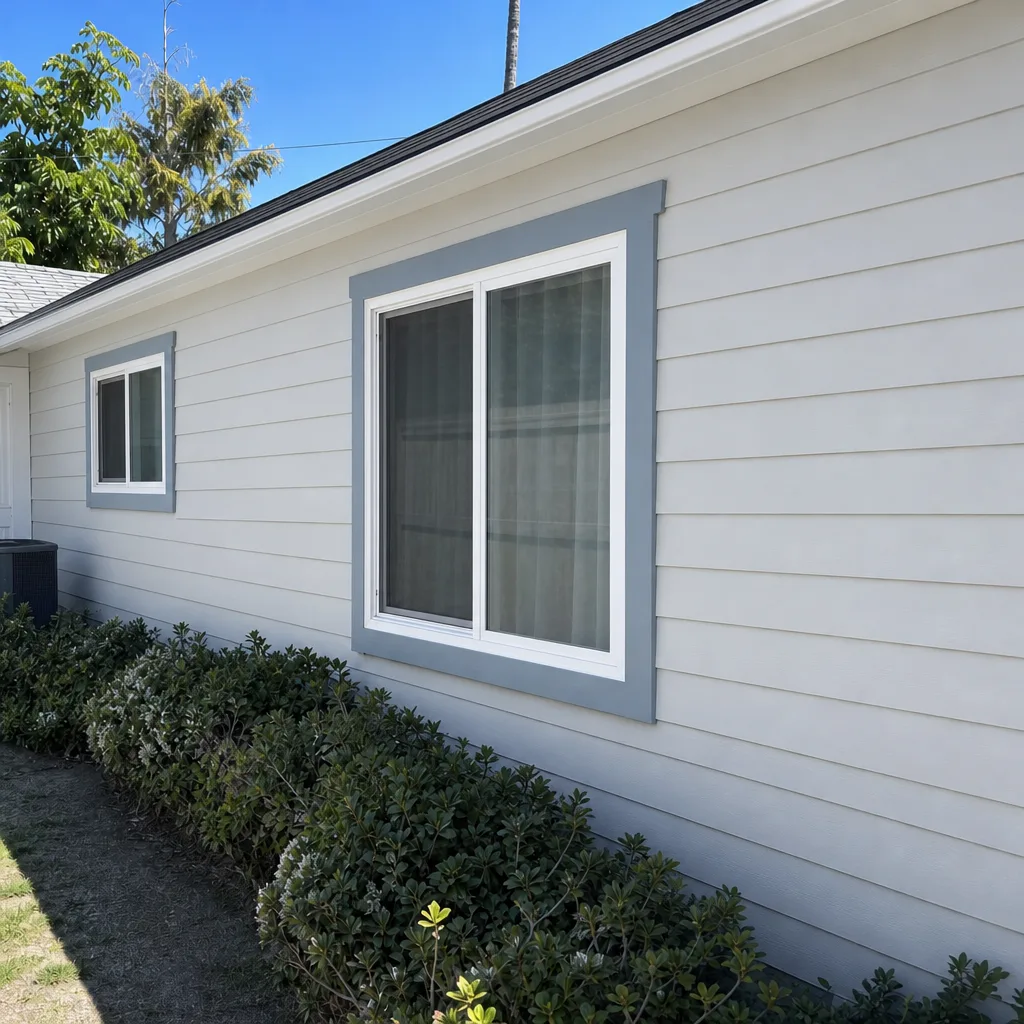
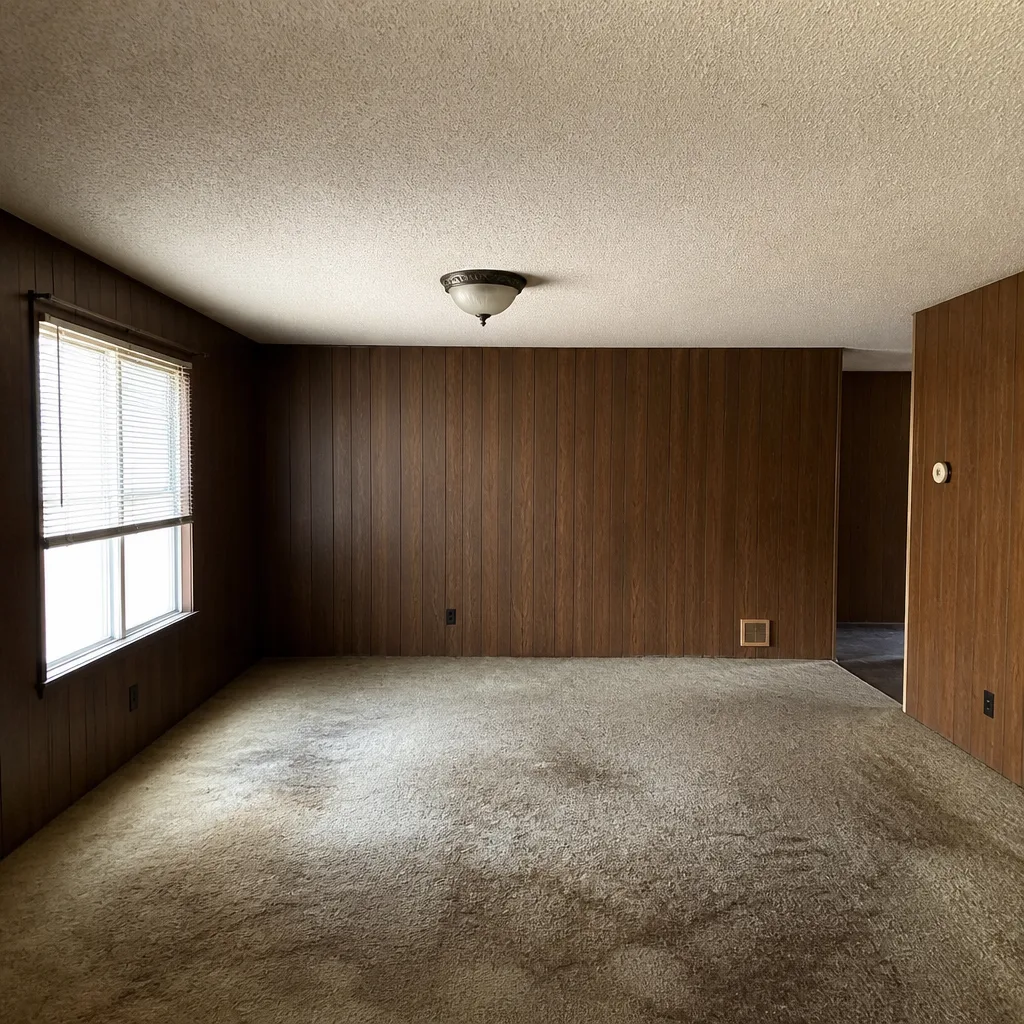
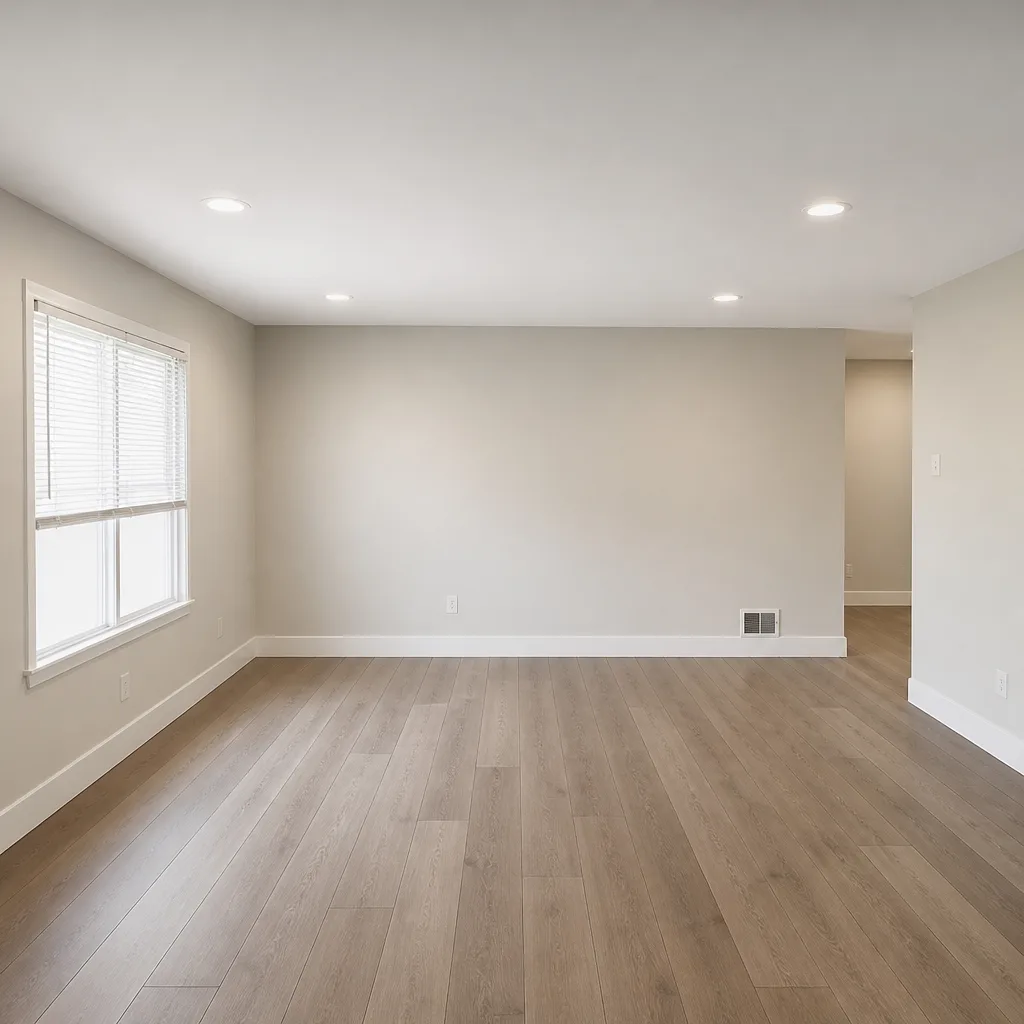
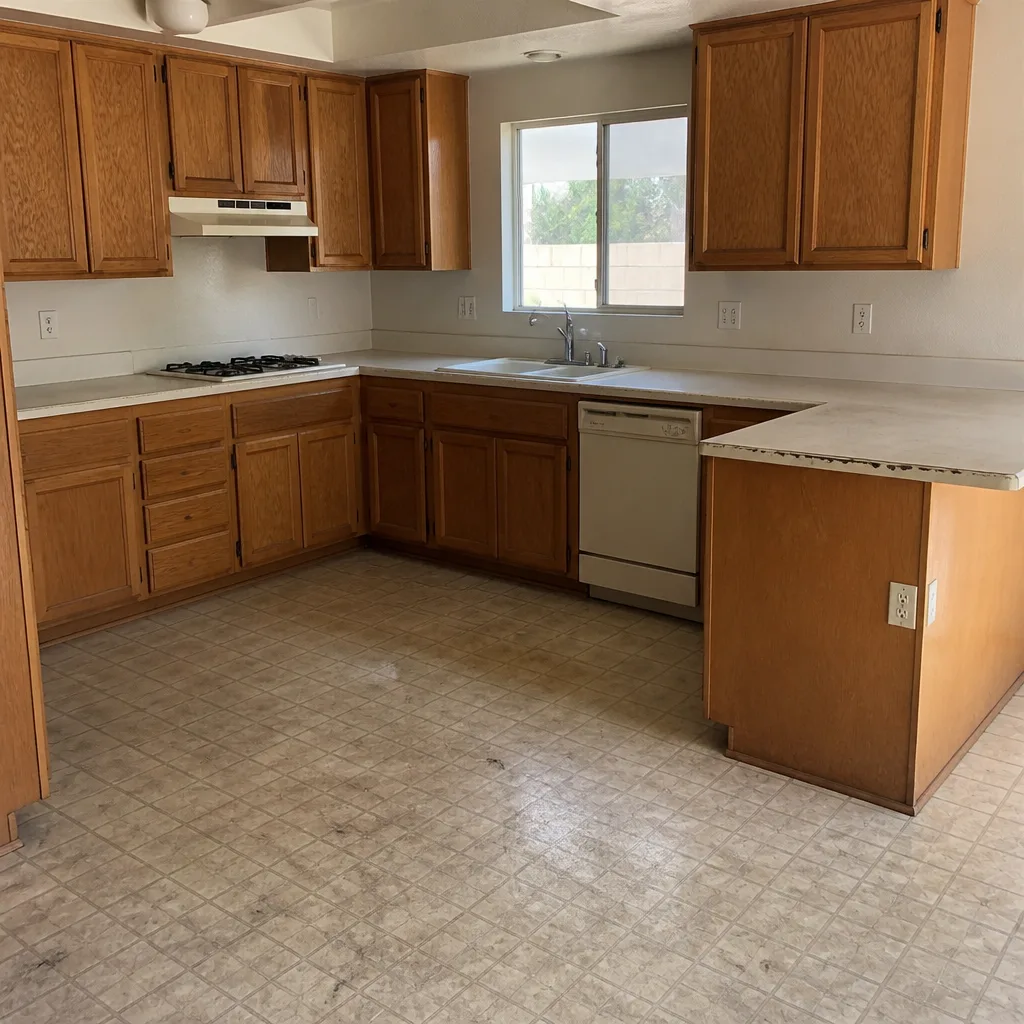
See the difference
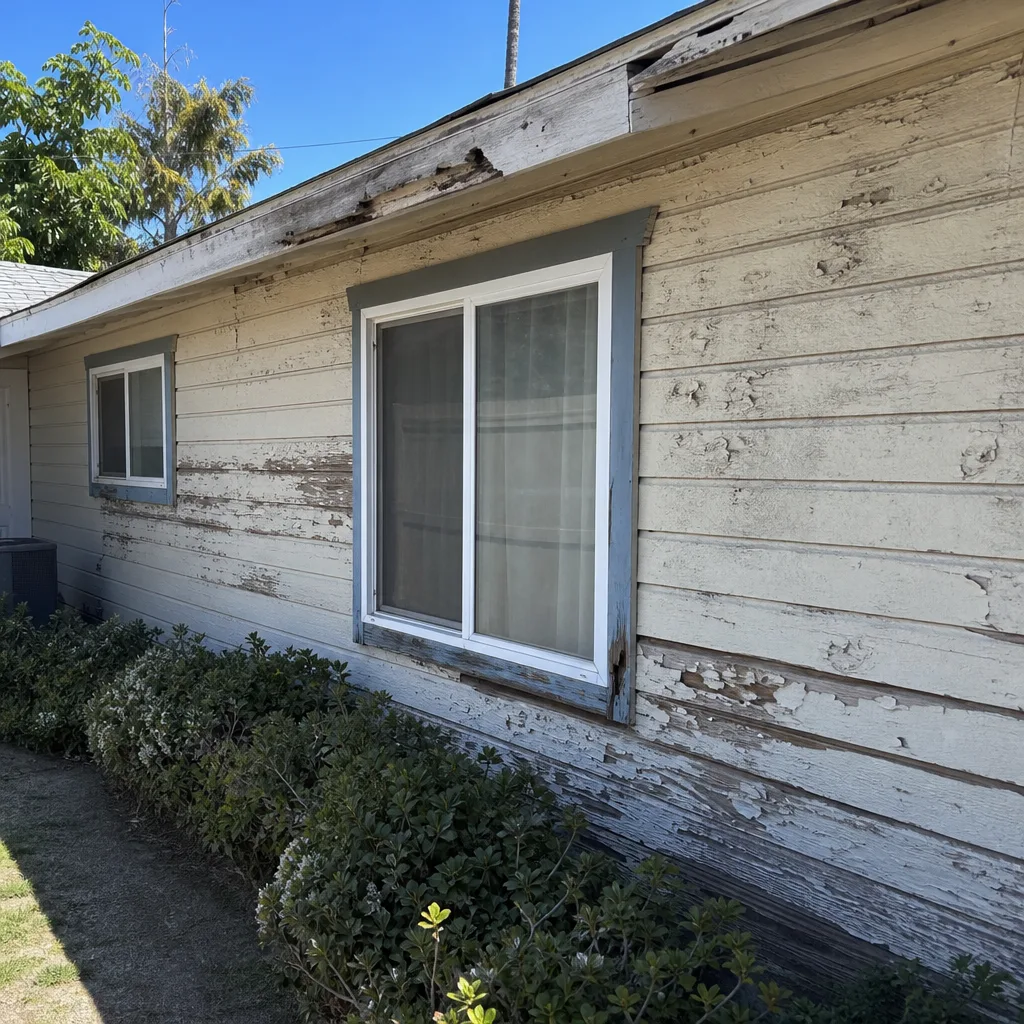 Before
 After
 Before
 After
 Before
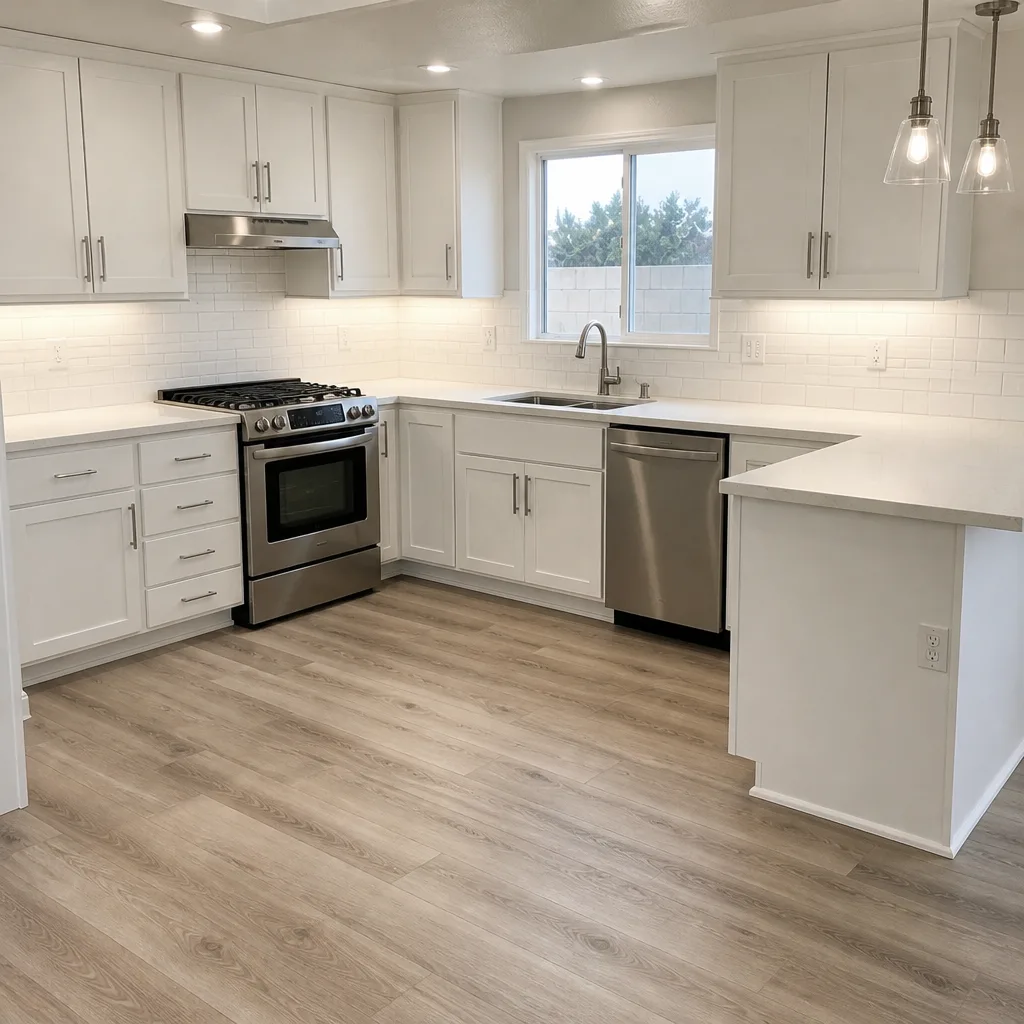 After
When to Call a Professional
Call a professional when the work touches electrical, plumbing, gas, structural framing, roofing, windows, or any wet-area waterproofing. Call a professional when the permit is required, when the material warranty demands certified installation, and when the project affects resale value more than it costs to do correctly. Garden Grove Contractors offers free estimates in Garden Grove across all scopes, from full kitchen remodels to exterior envelope upgrades to ADU builds. Call (877) 373-9230 and we’ll walk the property with you, scope the work honestly, and tell you where DIY actually saves money without creating liability.
Frequently Asked Questions
In Garden Grove, you can DIY painting, flooring replacement, trim work, cabinet hardware, non-structural landscaping, and dry-area tile replacement without a permit. Any work touching electrical, plumbing, gas, structural framing, roofing, or wet-area waterproofing requires a permit and licensed professional work under California code. Call (877) 373-9230 if you’re unsure where your project falls.
You must disclose unpermitted work on the Transfer Disclosure Statement, and failure to disclose creates legal liability after close under California Civil Code. Most Garden Grove buyers will demand correction permits, licensed remediation, or a price reduction when unpermitted work surfaces during inspection. The cost of correcting unpermitted work at sale typically runs two to three times the original project cost.
Permit fees in Garden Grove vary by project scope and valuation, but most remodeling permits run between $200 and $1,500 depending on the work. The permit fee is a fraction of the correction cost if unpermitted work gets flagged later. A professional contractor handles the permit process as part of the scope, and the permit record stays with the property permanently.
Homeowners insurance typically excludes damage caused by faulty workmanship, which means DIY installation errors that lead to water damage or structural issues may not be covered. Professionally installed systems carry manufacturer and workmanship warranties that fill the coverage gap. For roofing specifically, most manufacturer warranties require certified installation to remain valid, so a DIY roof repair often voids the material warranty entirely.
California allows owner-builder status, which lets you act as your own general contractor on your primary residence. The catch: you must actually perform or directly supervise the work, you’re responsible for all permit compliance and worker safety, and the owner-builder disclosure follows the home for five years if you sell. Most Garden Grove homeowners find that the owner-builder route works for small scopes and becomes overwhelming on multi-trade projects, so consult our General Contractor Troubleshooting: Common Problems and How to Fix Them before committing.
Compare scope and material specifications, not just bottom-line numbers. A bid that specifies Cambria quartz, Wellborn cabinetry, and James Hardie siding is a different project than one that specifies “quartz-like” surfaces and “fiber cement panels.” Verify the license on CSLB, ask about Garden Grove permit history, and require written fixed pricing with scope clearly defined. Estimates from Garden Grove Contractors are free. Call (877) 373-9230.
The Bottom Line
The DIY decision in Garden Grove comes down to three questions: Does it require a permit? Does it touch a system that other systems depend on? Does the work create liability that follows the property after you sell? If the answer to any of those is yes, hire a licensed contractor. If all three are no, and you actually enjoy the work, DIY is a legitimate path. The smartest homeowners we work with in Garden Grove mix both approaches: they paint their own walls, replace their own fence boards, and bring us in for the permitted, warranty-backed, system-critical work. That’s the balance that builds long-term home value without building a paper trail problem.
Written by the team at Garden Grove Contractors, serving Garden Grove since 2017.