
Last updated October 31, 2026
 Home additions & ADU
 Kitchen remodeling
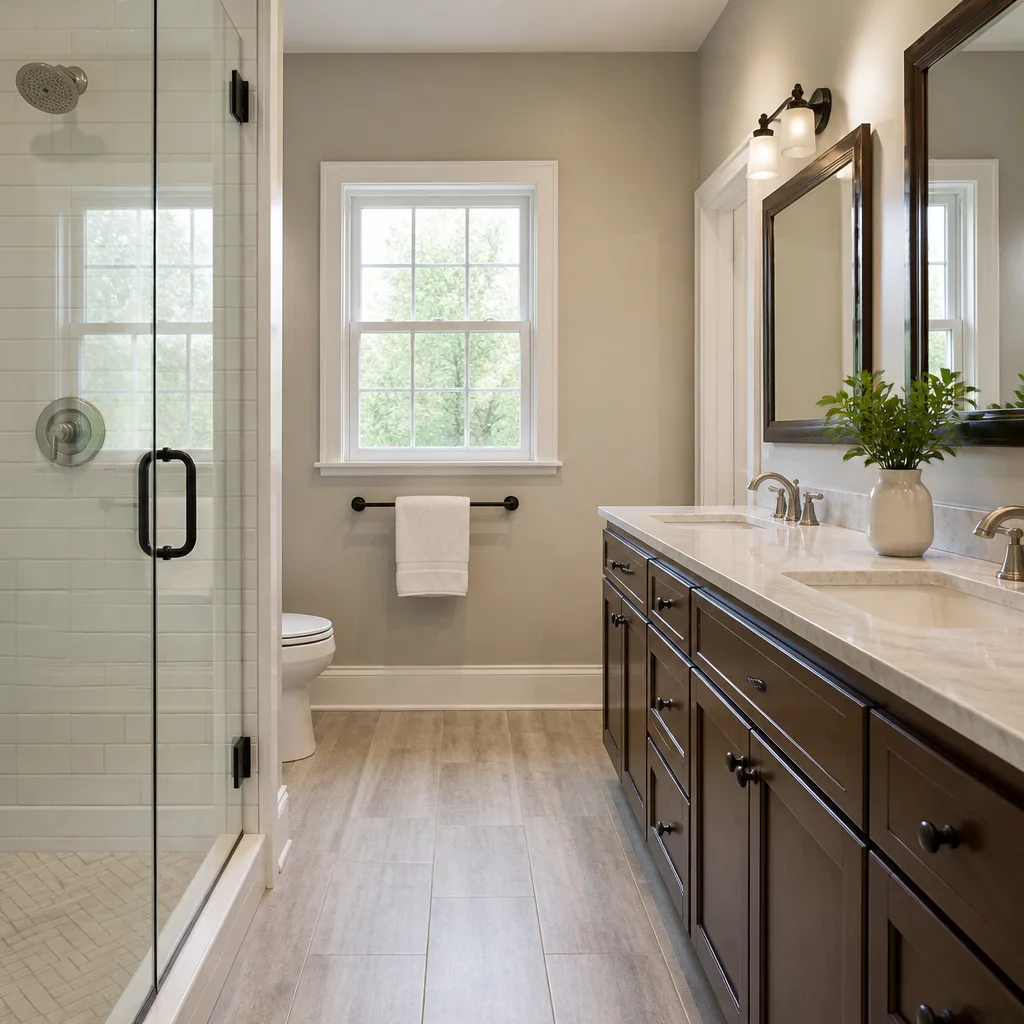 Bathroom remodeling
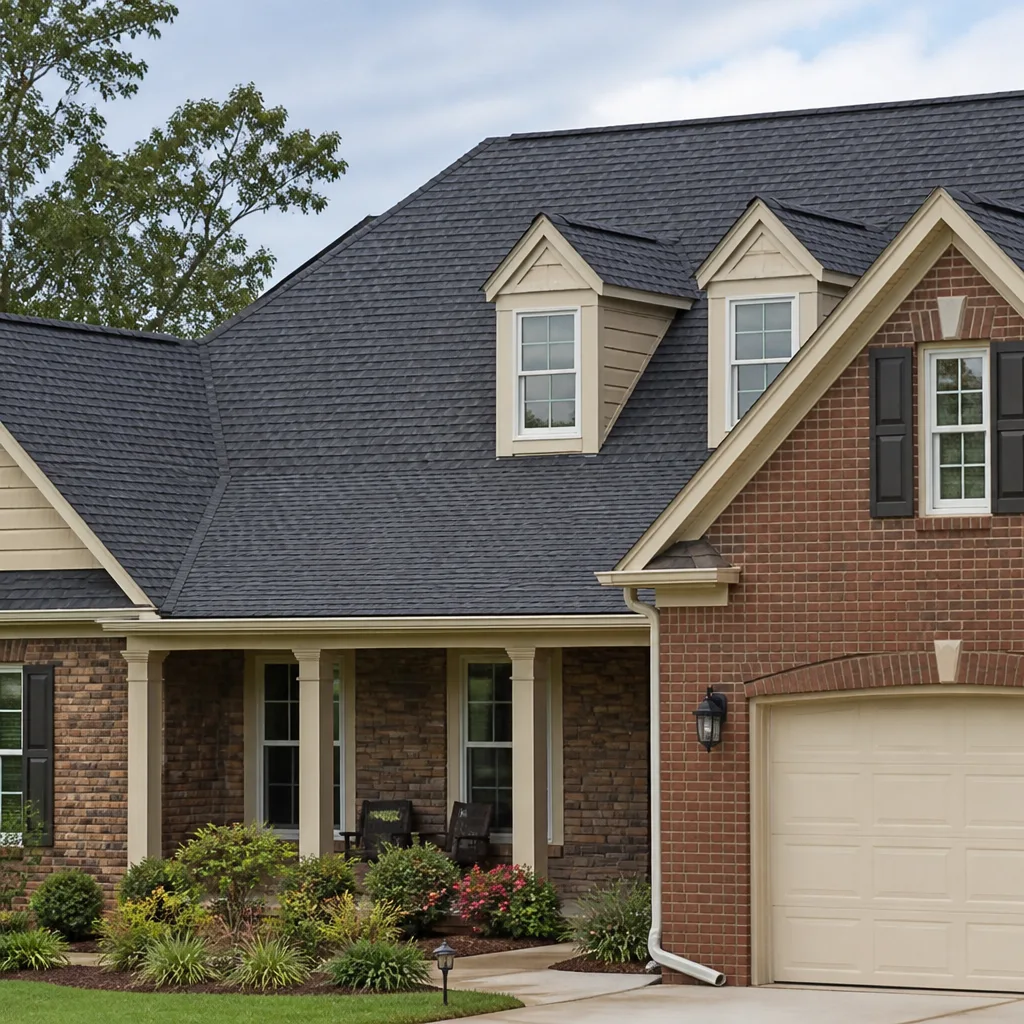 Roofing
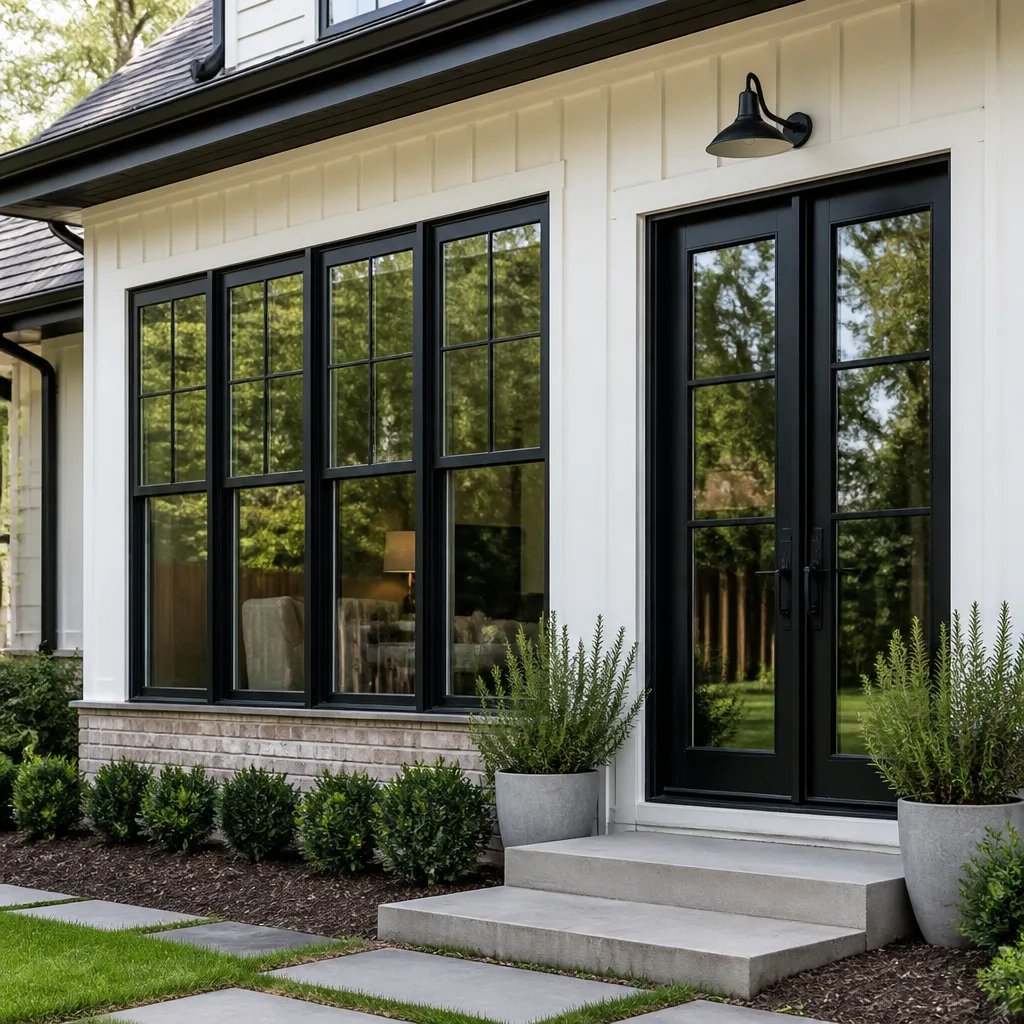 Windows & doors
 Driveway & pavers
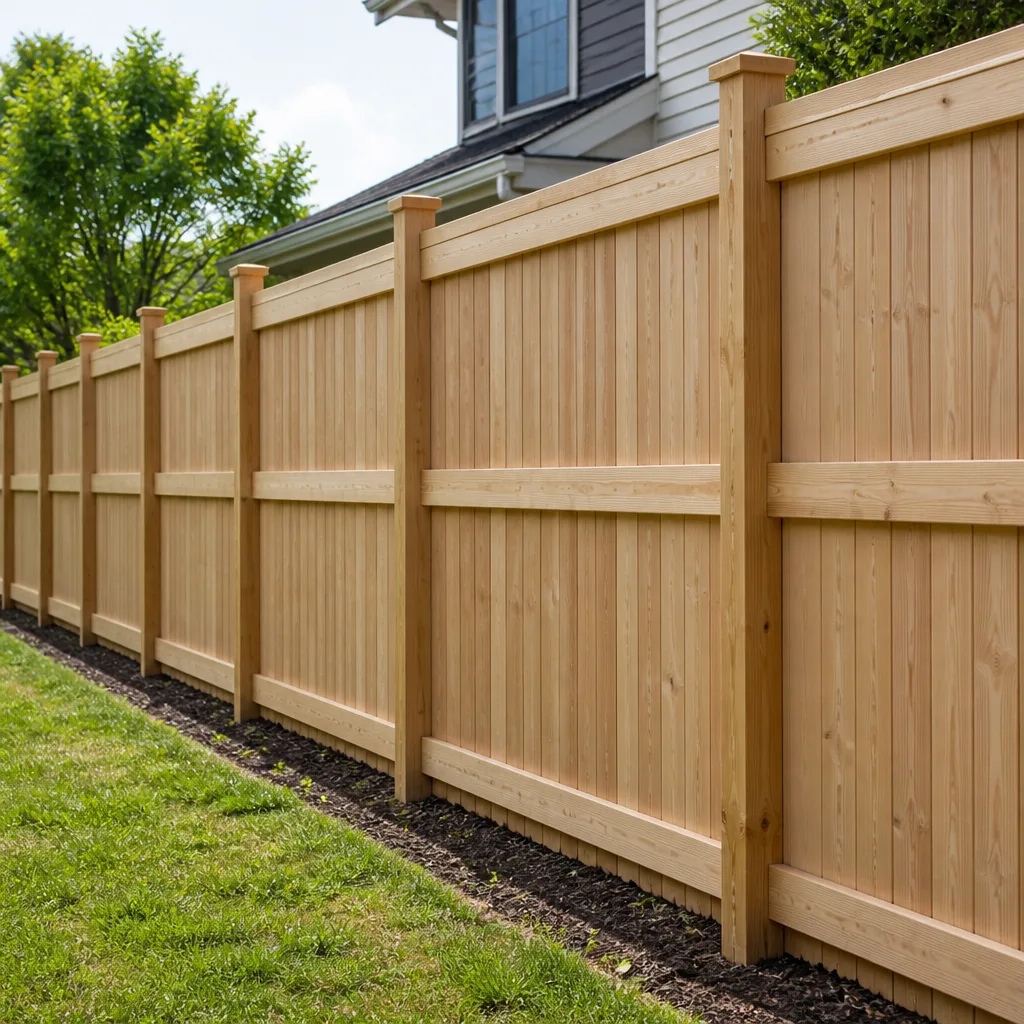 Fence
Free written scope consultation - allowances, timeline, and change-order rules on paper before a single trade is scheduled
The Complete General Contractor Guide for Garden Grove Homeowners
Here’s a number most Garden Grove homeowners never see coming: the City of Garden Grove’s Community Development Department processed over 4,000 building permits last year, and roughly one in five triggered a correction notice requiring rework or resubmission. The surprising part? Most of those corrections weren’t from bad design or cheap materials. They came from gaps between trade scopes, the electrician’s rough-in done before the framer’s final inspection, the roofer’s flashing specified after the window order was locked. That handoff friction is where budgets quietly bleed out. This guide explains what a general contractor in Garden Grove actually controls, what you should demand in writing, and how to tell the difference between a coordinator and a true single-source builder.
Quick Answer
A general contractor in Garden Grove is a state-licensed professional (holding a California B-General Building license) who manages the entire renovation or construction process under one contract, including permits, subcontractors, materials, inspections, and warranty accountability. For combined-scope projects, kitchens plus roofing plus an ADU, a GC legally pulls the consolidated permit, schedules trades in the correct sequence, and owns the outcome if something fails. Hiring one means you negotiate once, pay on one schedule, and have one phone number when a question comes up at 7 a.m. on a Tuesday.
Styles & brands we work with
- Kitchen remodeling
- Bathroom remodeling
- Home additions & ADU
- Roofing
- Windows & doors
- Driveway & pavers
- Fence
Table of Contents
- What a General Contractor Actually Controls (and What They Don’t)
- How California Contractor Licensing Works: B-General vs. C-Specialty
- What ‘Single-Source Accountability’ Means in Contract Language
- The Hidden Cost of the Multi-Contractor Model
- Garden Grove Permit Timelines and How a GC Compresses Them
- How to Read a GC’s Subcontractor Roster as a Quality Signal
- Material Sourcing: Why Brand Partnerships Matter More Than You Think
- How Garden Grove GCs Structure Pricing and What to Compare
What a General Contractor Actually Controls (and What They Don’t)
Let’s clear up the biggest misconception first. A general contractor does not personally swing every hammer. What a GC controls is the sequence, the contracts, and the accountability. That’s the job. In Garden Grove, where homes range from 1950s ranchers near the 22 freeway to newer builds west of Euclid, a renovation might touch knob-and-tube wiring in one wall and a 2022 circuit panel in another. A general contractor’s value isn’t knowing how to wire a panel, it’s knowing which licensed electrician has handled that exact panel retrofit before, and putting that trade on site in the correct week.
Here’s what a GC directly controls:
- Subcontractor selection and scheduling. The GC hires, schedules, and supervises every specialty trade: plumbers, electricians, roofers, window installers, concrete crews, tilers, drywallers, painters.
- Permit acquisition and inspection coordination. The GC files the permit application, coordinates with the Garden Grove Community Development Department, schedules inspections, and is present when the inspector walks the site.
- Material procurement and delivery sequencing. The GC orders materials so they arrive in the right week. Windows before drywall. Countertops after cabinets. Roofing before the rainy season hits. If the Cambria quartz slab arrives three weeks late, that’s the GC’s problem, not yours.
- Contract and payment administration. The GC manages subcontractor contracts, lien releases, and progress payment schedules. You write checks to one entity.
- Warranty and post-completion accountability. If a window leaks or a tile cracks six months after completion, you call the GC. No finger-pointing between the window company and the stucco crew.
What a GC does not control, honestly:
- Municipal review timelines. The City of Garden Grove’s plan check backlog is what it is. A good GC knows current wait times and plans around them, but no contractor can override the Building Division.
- Manufacturer lead times. Custom cabinetry from KraftMaid or a Cambria slab can take weeks. A skilled GC orders early and communicates honestly about delays.
- Your change order decisions. Changing the tile after the waterproofing is done adds cost. That’s not contractor failure, that’s indecision cost. A good GC flags this in real time, but the final call is yours.
Understanding this division of responsibility matters because it tells you what to evaluate. You’re not hiring a GC for their drywall skills. You’re hiring them for their ability to own the sequence and absorb the friction between trades so you don’t have to. That’s the job description, stated plainly.
For a deeper look at what this means for your specific project scope, our General Contractor in Garden Grove page walks through the full service model.
How California Contractor Licensing Works: B-General vs. C-Specialty
California splits contractor licensing into two primary tiers that matter for homeowners: the B-General Building license and the C-special classifications. The distinction isn’t a formality. It determines who can legally pull a permit for your project’s combined scope in Orange County.
A B-General Building contractor holds a license from the California Contractors State License Board (CSLB) that authorizes work on any structure requiring two or more unrelated trades. Think of a kitchen remodel: demolition, framing, electrical, plumbing, tile, cabinetry, painting. That’s seven specialty trades under one building permit. A B-license holder can legally manage and contract for all of them, because the licensing exam covers structural framing, plan reading, and construction law, not just one trade.
A C-specialty contractor holds a license restricted to one trade classification: C-36 for plumbing, C-10 for electrical, C-39 for roofing, C-17 for glazing, C-54 for tile. A C-39 roofer in Garden Grove can legally pull a permit for a re-roof, but they cannot legally pull a permit that combines roofing with window replacement and a kitchen gut. That combined permit requires a B-license holder or a well-coordinated set of separate permits filed by separate contractors, which most homeowners discover is where the pain starts.
Here’s the Orange County reality that catches people off guard:
- Combined-scope permits require a B-license or a general prime contractor of record. If your project touches structure plus mechanical plus finish work, the City of Garden Grove expects one responsible party listed on the permit.
- Specialty contractors cannot legally be the prime on a multi-trade permit. A C-39 roofer who says they’ll also “take care of” your fascia repair and gutter replacement may genuinely not hold the license to do so under one contract. That’s illegal contracting, and any work done under that arrangement is outside CSLB protection.
- Owner-builder permits come with liability exposure. Some homeowners pull an owner-builder permit to save money, then hire specialty contractors under it. You become the general contractor by default: responsible for worker injuries, inspections, code compliance, and warranty disputes. Most people don’t want that job without the license or the insurance.
When you interview contractors in Garden Grove, ask for the CSLB license number, then verify it at cslb.ca.gov. Check the classification. If your project spans multiple trades, confirm the number corresponds to a B-General Building classification, not a C-specialty. This single check eliminates a significant portion of the risk in a major renovation.
Our Home Remodeling in Garden Grove page explains how we manage combined-scope permits for interior projects.
What ‘Single-Source Accountability’ Means in Contract Language
“Single-source accountability” sounds like marketing until a project goes sideways. Then it’s the difference between one phone call and an afternoon spent mediating between a tiler who blames the waterproofing and a waterproofing sub who blames the substrate. In contract terms, it means the document you sign commits the GC to four specific obligations. Here’s what to demand, in plain language:
- Prime contractor clause. The contract states that the GC is the prime contractor on all permits and bears responsibility for all subcontractor work. If that sentence isn’t in there, the door is open for the GC to claim they were merely “coordinating” trades, not responsible for them.
- Subcontractor payment and lien release obligations. The contract should specify that the GC manages all subcontractor payments and provides conditional and unconditional lien releases from every trade, every project phase, before your next progress payment. If a sub isn’t paid, their mechanics lien attaches to your house, not the GC’s office. This clause protects you from that.
- Warranty consolidation. The contract should state that all trade warranties, windows, roofing, tile, concrete, flow through the GC, and that the GC is the single point of contact for any warranty claim during the stated period. Without this, you’re chasing the window manufacturer yourself when a seal fails.
- Change order process. The contract should require written, signed change orders for any scope or price change. Verbal agreements are unenforceable in California and are where most disputes begin. A GC who insists on written change orders is doing you a favor, not being difficult.
In our experience in Garden Grove, homeowners who demand these four clauses - and review our Construction Cost Breakdown: The Garden Grove Homeowner’s Reference for 2026 beforehand - spend less time managing the project, not more. The contract language isn’t adversarial. It’s clarity. It forces the GC to spell out exactly what “I own this project” means before the first wall is opened, not after the inspector red-tags something.
The Hidden Cost of the Multi-Contractor Model
The pitch for hiring separate specialists sounds sensible: skip the GC markup, hire each trade yourself, save 15 to 20 percent. Here’s what that pitch skips: the coordination cost lands on you, and it’s priced in lost time, schedule gaps, and disputes that a homeowner cannot resolve.
Consider a common Garden Grove scenario: a 1960s ranch off Chapman Avenue getting a kitchen update, a main bathroom, and a new roof. Under the multi-contractor model, that’s four contracts: a kitchen remodeler, a plumber, a roofer, and possibly a separate electrician. Four schedules. Four payment streams. Four warranty conversations. When the roofer discovers rotted fascia board behind the gutter that the kitchen remodeler’s demo exposed, who owns the fix? The roofer says it’s structural, not roofing. The kitchen remodeler says it’s exterior, outside their scope. You’re now the general contractor, and you’re holding a change order from each side.
The specific costs of that model, drawn from what we’ve seen in Garden Grove:
- Schedule gaps. If the plumber can’t return for two weeks after rough-in, the drywaller misses their slot, which bumps the painter, which pushes flooring. Each gap adds days. A GC runs a single master schedule and sequences trades back-to-back.
- Warranty disputes. When a tile crack appears above a cabinet line, the tiler blames settling, the framer blames the tile install, and the homeowner is stuck. Under a single GC contract, the call goes to one party who owns the answer.
- Inspection failures between trades. Garden Grove inspectors check the full assembly, not isolated trades. If the electrician’s rough-in doesn’t meet clearance from the plumber’s vent stack, the permit fails inspection and both trades bill you for return visits. A GC catches that conflict during planning, before the inspector sees it.
- Payment float. Multiple contractors means multiple deposits, multiple progress payments, and multiple lien releases to track. Miss one lien release and a sub can file a mechanics lien against your Garden Grove property.
The markup a GC charges isn’t a fee. It’s the price of transferring that coordination burden and its associated risk from your shoulders to theirs. Whether that transfer is worth it depends on the complexity of your project. For a single trade re-roof, a specialty contractor makes sense. For anything spanning two or more unrelated trades, which is most of what we see in Garden Grove’s older housing stock, the single-contract model almost always costs less in the final accounting.
Garden Grove Permit Timelines and How a GC Compresses Them
Garden Grove’s Community Development Department processes permits through a two-stage path: a planning review for zoning compliance (setbacks, lot coverage, ADU regulations) and a building review for code compliance (structural, electrical, mechanical, energy). Depending on project scope and current review volume, a straightforward kitchen or bath remodel permit typically clears in three to six weeks. A full addition or ADU can run nine to twelve weeks, sometimes longer if the plan check requires multiple resubmissions.
Here’s where a GC changes the timeline:
- Plans that pass first review. The most common reason a Garden Grove permit gets a correction notice is incomplete or inconsistent drawings. A GC who works with a familiar draftsperson or architect and reviews plans against current Garden Grove building codes before submission cuts the resubmission cycle dramatically. Each resubmission adds two to four weeks.
- Scope completeness. Partial permits cause delays. If the permit covers the kitchen but not the electrical service upgrade that the new appliances require, the inspector will flag it and work stops. A GC scopes the entire job before filing, not the easiest visible part.
- Inspection scheduling density. Once the permit is issued, progress depends on scheduling inspections: rough framing, rough electrical, rough plumbing, insulation, drywall, final. A GC batches trades so multiple rough inspections can happen in the same window. A homeowner coordinating trades often schedules one inspection per week, stretching a two-month build into four.
- Responding to correction notices in real time. When an inspector flags something, the clock stops until it’s fixed and re-inspected. A GC with a sub on call can resolve the issue in a day or two. A homeowner navigating the same correction without a direct subcontractor relationship often loses a week or more.
The permit timeline isn’t a fixed thing that happens to you. It’s a variable that responds to planning quality, scope completeness, and how quickly corrections get closed. That’s the leverage a general contractor brings to Garden Grove’s specific regulatory process.
How to Read a GC’s Subcontractor Roster as a Quality Signal
Every GC uses subcontractors. That’s not a weakness, that’s how construction works. The question is whether the roster reflects curated, long-term relationships or whoever answered the phone that week. Here’s how to read the difference when you’re interviewing contractors in Garden Grove:
- Ask how long their primary electrician and plumber have worked with them. A GC who says “we’ve used the same plumber for eleven years” is telling you something real: that plumber’s work has passed inspections consistently and their pricing is predictable. A GC who says “we have a few guys” without names or duration is signaling a rotating cast.
- Ask who specifically will run your project. Is there a named lead carpenter or project manager? A GC who can’t name the person running your job before you sign is a GC who’ll figure it out after demolition starts.
- Ask about manufacturer training and certifications. This matters more than most homeowners realize. James Hardie siding installed by a crew without the manufacturer’s training may void the product warranty. Cambria quartz fabrication requires authorized fabricators with specific equipment. GAF roofing systems carry different warranty tiers depending on installer certification. A GC who maintains these manufacturer relationships is protecting your warranty far beyond the build date.
- Ask about their inspection pass rate. A GC who winces at this question is answering it. A GC who says “call my last three clients and ask” is showing you their track record transparently.
The roster is a quality signal because it’s a behavioral signal. Subs who pass inspections consistently, show up when scheduled, and stand behind their work don’t work for GCs who undercut them or scramble their schedules. The roster quality reflects the GC’s management quality. You’re reading the pattern, not the individual names.
Material Sourcing: Why Brand Partnerships Matter More Than You Think
Here’s a truth most homeowners learn too late: where your contractor sources materials determines what you can choose from, what gets specified, and what warranty protections actually survive after the build. A contractor who “can get anything” from a local supplier is often limited to whatever that supplier stocks. A contractor with direct manufacturer relationships can specify across performance tiers and price points.
Take countertops as an example. Cambria and Caesarstone both make quartz, but they position differently: Cambria skews toward design-grade aesthetic range with a lifetime warranty, while Caesarstone and Silestone span broader price points. A homeowner who wants a specific Cambria veining pattern needs a fabricator authorized by Cambria, not a generic stone yard that happens to have a similar-looking slab. The difference shows up three years later when a seam fails and the warranty question comes up.
The same logic applies to hardscape. Belgard and Cambridge Pavers make paver systems for different applications, some rated for pedestrian use, others engineered for high-load driveways. Quikrete and Sakrete produce setting materials that perform differently depending on soil conditions and drainage. In Garden Grove, where the clay-heavy soil shifts seasonally and drainage patterns vary block by block, specifying the correct base and setting product is a performance decision, not a preference. A GC who works across multiple hardscape manufacturers can match the product to the application rather than pushing one brand on every job.
On the exterior, James Hardie fiber-cement siding performs differently from vinyl in coastal humidity and inland heat cycles. GAF, CertainTeed, and Owens Corning roofing systems each carry different wind ratings, impact ratings, and warranty structures. A GC with sourcing relationships across those manufacturers can specify a roof matched to Garden Grove’s specific exposure: Santa Ana wind gusts, occasional heavy December rains, full summer sun. That’s not vendor parroting. That’s material fluency.
When you interview a contractor, ask which manufacturers they have direct accounts with, not just which products they’ve installed. The answer tells you whether you’re getting a curated selection process or a single supplier’s inventory. For a look at how this sourcing approach applies to full-scale renovation projects, see our Home Renovation in Garden Grove page.
How Garden Grove GCs Structure Pricing and What to Compare
General contractors in Garden Grove typically use one of three pricing structures, and comparing bids without understanding which structure you’re looking at produces false comparisons. Here’s the breakdown:
- Fixed price (lump sum). The GC specifies the full scope and materials and commits to a total price, with change orders only for actual scope changes. This is the structure you want for a defined project: a kitchen remodel, a bath update, a re-roof. It transfers material-pricing risk to the GC and makes budget planning straightforward.
- Cost-plus. The GC bills actual costs, labor and materials, plus an agreed markup percentage, typically 15 to 25 percent. This structure favors projects where the scope can’t be fully defined before demolition, like a 1960s Garden Grove home where the wall might hide asbestos, termite damage, or framing rot the inspection didn’t catch. The risk is that incentives align toward spending more, not less, so this structure requires trust and a cap.
- Time and materials. The GC bills hourly labor plus materials with no fixed total. This is unusual for significant renovation work and generally not recommended for anything beyond very small repairs, because it leaves all cost risk with you.
- Allowance values. If two bids show $12,000 and $18,000 for “cabinetry allowance,” those aren’t comparable. The lower allowance might specify stock boxes while the higher specifies KraftMaid or a custom line. Ask what product grade each allowance actually buys.
- Exclusions. The most common Garden Grove bid gaps: drywall repair after electrical work, painting after drywall, debris removal, permit fees, and final cleaning. A bid that excludes these looks cheaper and isn’t.
- Warranty terms. One year is typical for workmanship. Two years is stronger. Manufacturer warranties on installed products should be specified by name and tier, not just “as provided by manufacturer.”
What to compare across bids, regardless of structure:
The cheapest bid almost always has a reason for being cheapest. Find the reason before you sign, not after the change order arrives.
Common Mistakes to Avoid
- Hiring a C-specialty contractor for a combined-scope project. A roofer can’t legally be the prime contractor on a project that includes structural framing and window replacement. Verify the license classification covers your full scope before signing anything.
- Accepting verbal change orders. In California, verbal agreements are unenforceable for construction changes. If a change isn’t in writing, with a price adjustment and a signature, it doesn’t count, until it shows up in a dispute.
- Skipping the lien release review. Every progress payment should be matched with conditional lien releases from every sub who worked that phase. Miss one and a sub’s mechanics lien attaches to your Garden Grove house, not the GC’s office.
- Comparing bids without normalizing allowances. A $40,000 kitchen bid and a $55,000 kitchen bid often differ in allowance values, not labor. Ask what product grade each allowance buys before deciding which is more expensive.
- Pulling an owner-builder permit to save money. The savings evaporate the first time a worker is injured on site or an inspection fails and you can’t get a sub to return promptly. You become the GC without the license, the insurance, or the subcontractor relationships.
- Ordering materials late to save on storage costs. In Garden Grove’s market, waiting until demolition to order cabinets or windows often adds weeks to the schedule. A GC orders long-lead items early because the holding cost is cheaper than the holding-up-the-project cost.
- Choosing a GC based on the salesperson, not the project manager. The person who sells the job is often not the person who runs it. Ask who your daily point of contact is and meet them before signing.
See the difference
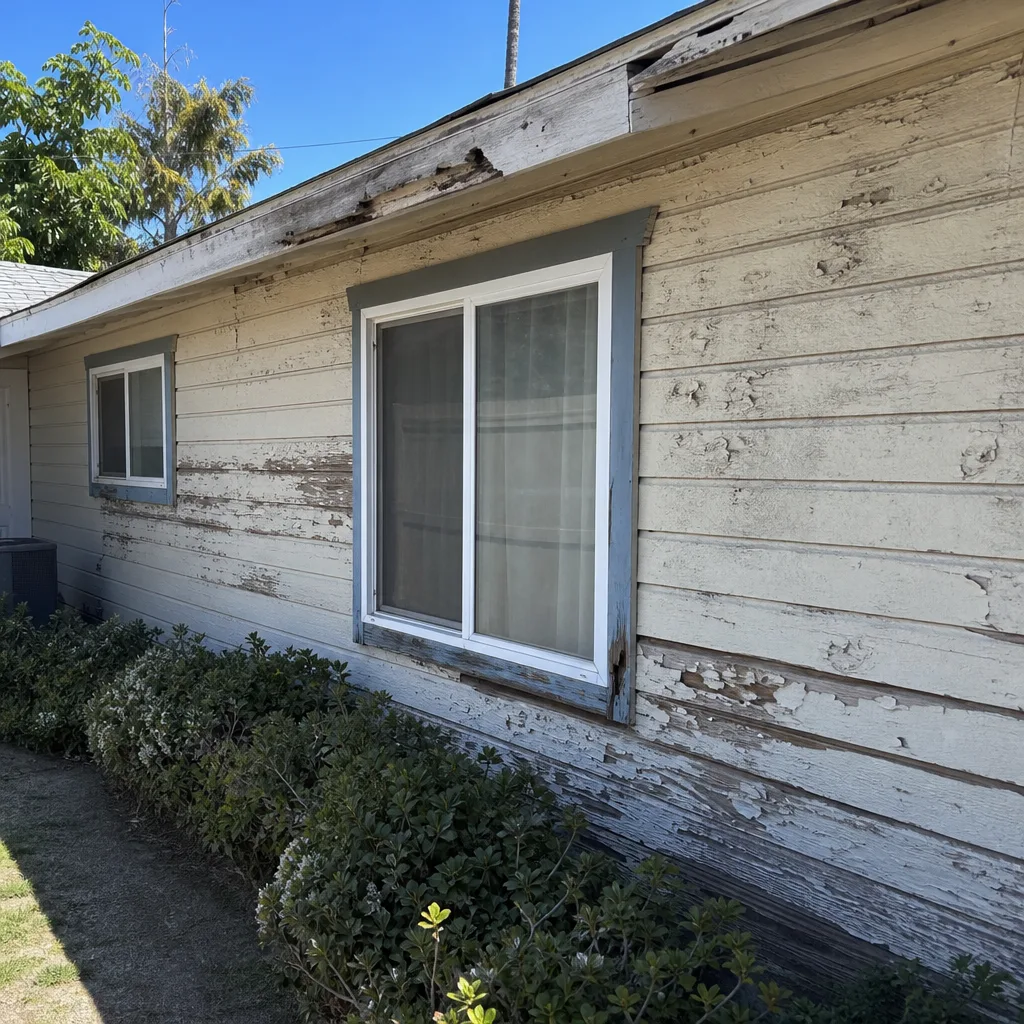 Before
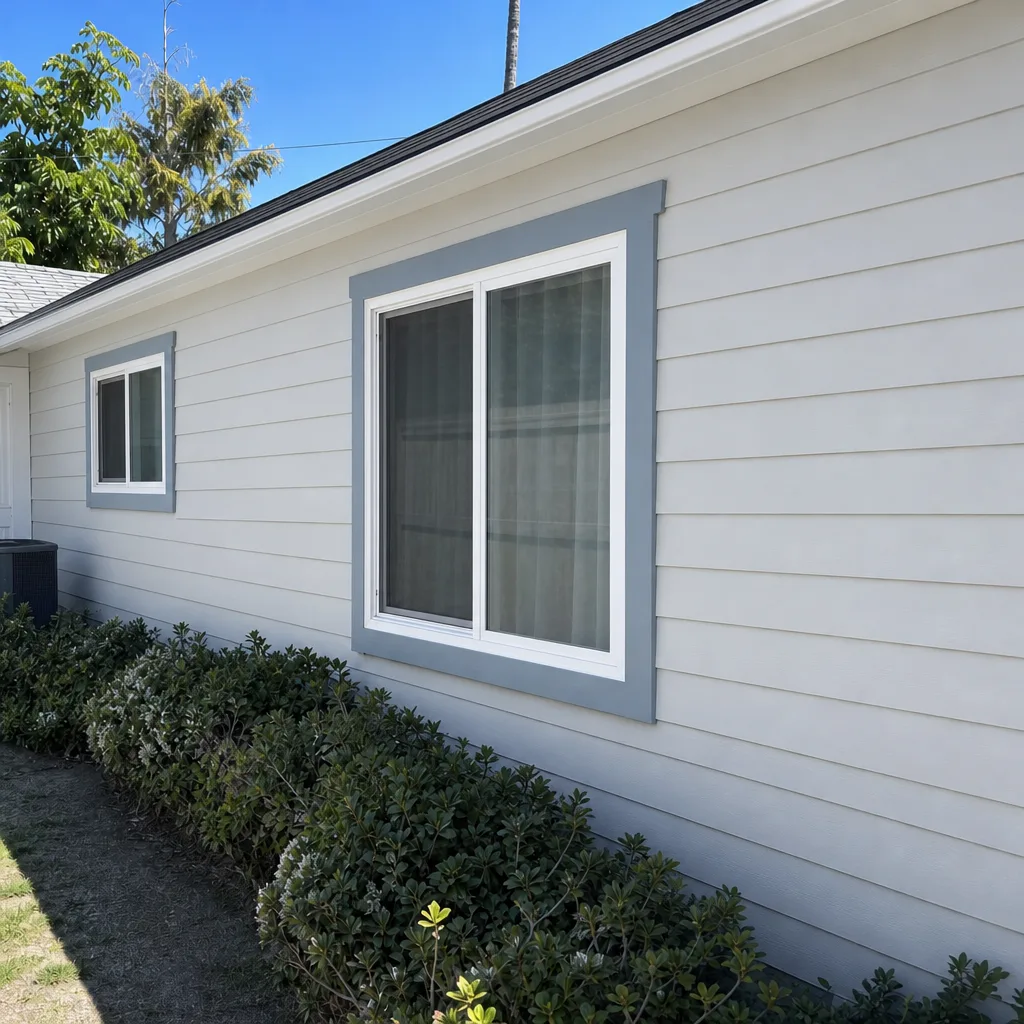 After
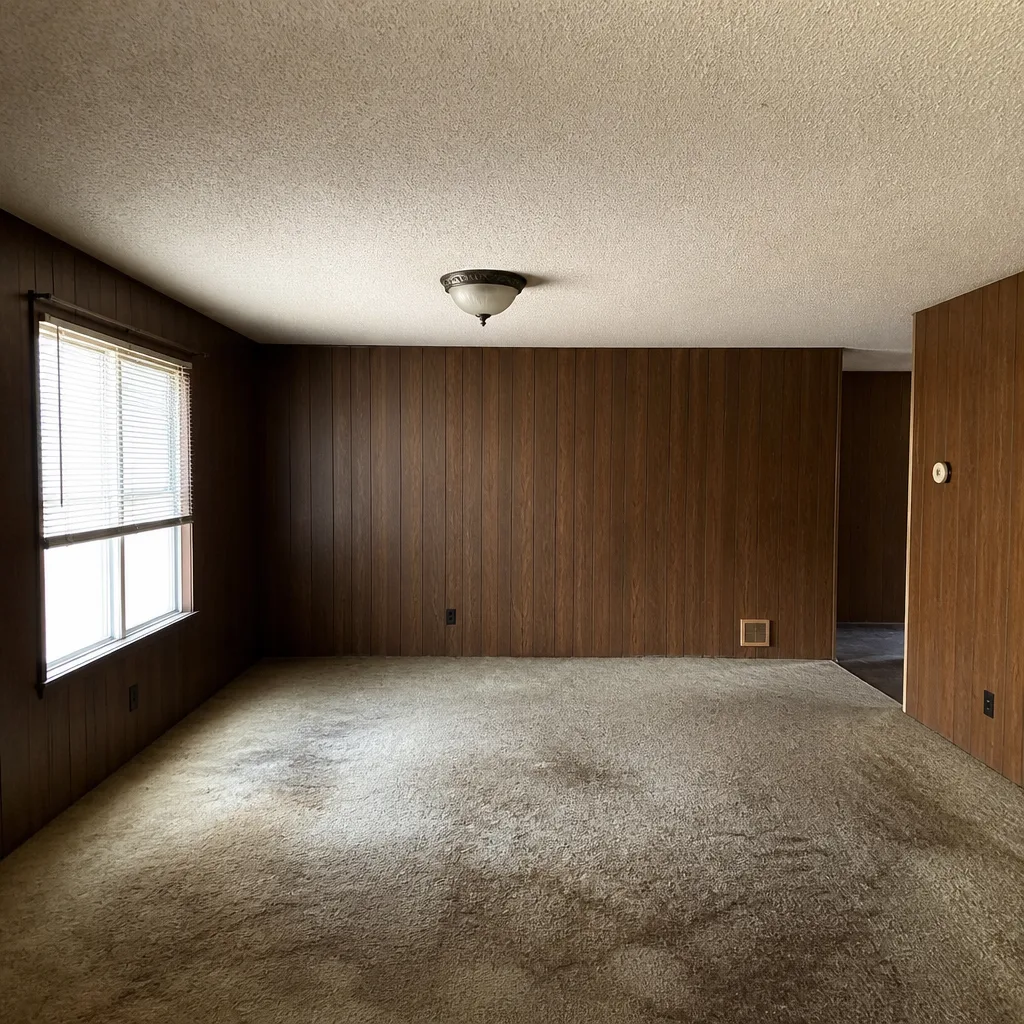 Before
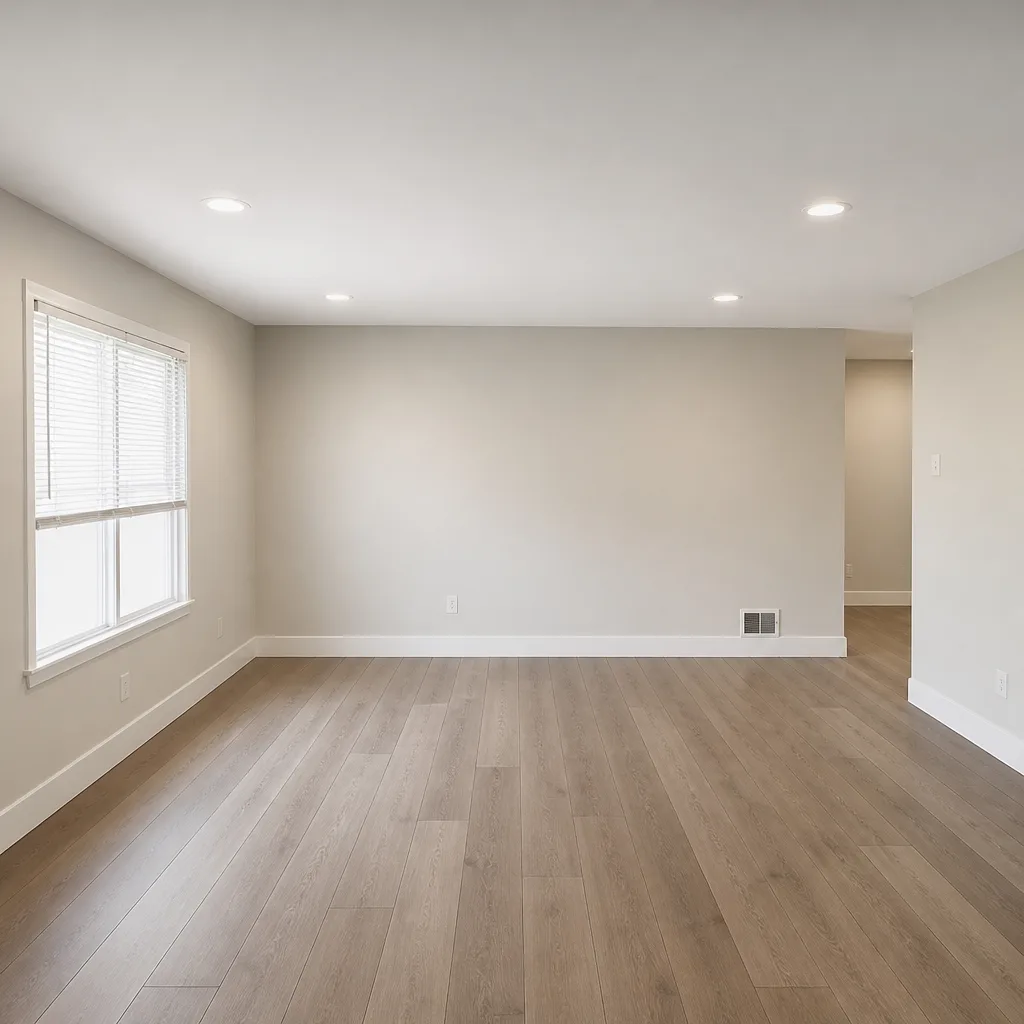 After
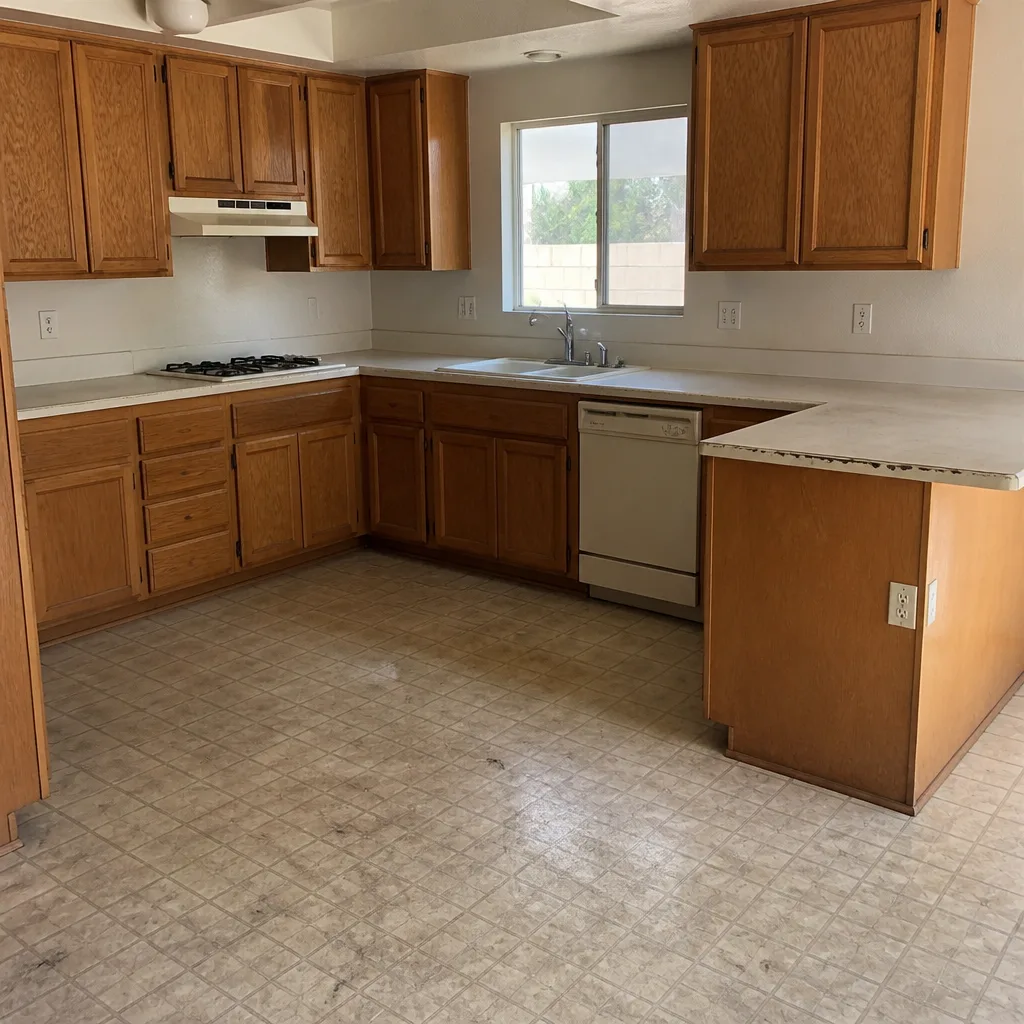 Before
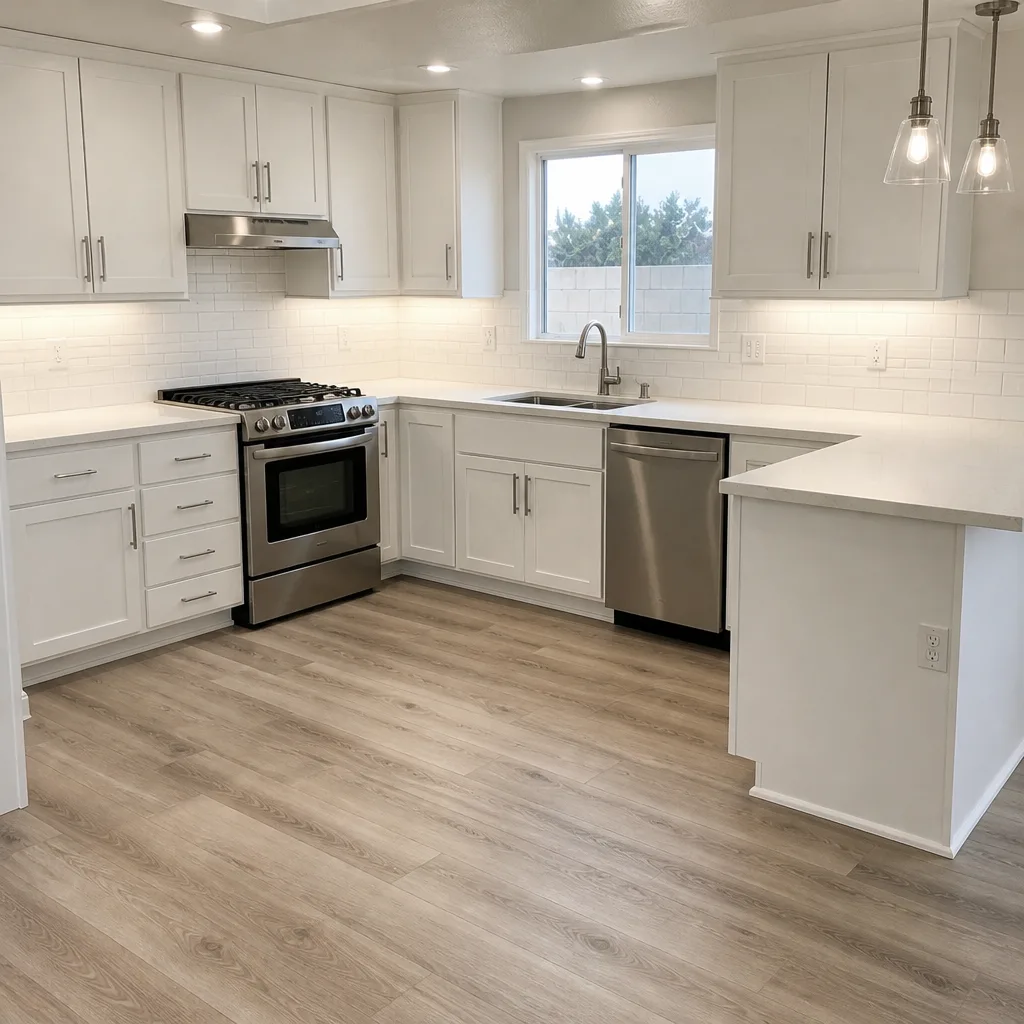 After
When to Call a Professional
Call a licensed general contractor when your project involves more than one trade: any kitchen or bath remodel that moves plumbing or electrical, any window or door replacement that affects structural framing, any roofing project combined with exterior work. Call when the permit requires a B-General license as prime contractor, and you don’t want to be named on the permit yourself. Call when you want one entity to own the warranty conversation instead of mediating between trades. Garden Grove Contractors offers free estimates in Garden Grove – call (877) 373-9230 to schedule yours.
Frequently Asked Questions
General contractor pricing in Garden Grove typically falls between 15 and 25 percent of total project cost as the GC’s fee on top of materials and subcontractor labor, though the exact structure varies by project scope. For a $60,000 kitchen remodel, expect the total to reflect a fixed-price bid with allowances for cabinetry, countertops, and fixtures. Call (877) 373-9230 for a written line-item estimate on your specific project.
Yes, if the remodel involves two or more unrelated trades like demolition, plumbing, electrical, tile, and cabinetry, which almost all kitchen remodels do. A B-General Building license is legally required to pull the combined permit, and managing those trades under separate contracts typically costs more in time and coordination than a single GC contract. Call (877) 373-9230 to review your scope.
A kitchen or bath remodel in Garden Grove typically takes six to twelve weeks from permit issuance to final inspection, with larger projects like full exterior upgrades or ADUs running four to nine months. The biggest variables are permit review time through the Community Development Department and material lead times for items like custom cabinetry or Cambria quartz. Call (877) 373-9230 for a realistic timeline for your project.
The price changes only if the scope changes, which is why fixed-price contracts with written change orders protect you. What changes scope in Garden Grove homes: discovering termite damage behind drywall, family wiring that’s not up to code, cast iron drain lines that need replacement. A good GC flags these issues immediately with a written change order and a specific price, so you decide with full information. Call (877) 373-9230 to discuss how we scope older homes.
Yes, Garden Grove Contractors holds the B-General Building license required to pull combined-scope permits through the City of Garden Grove, and we handle the full permit process: plan submission, corrections, scheduling inspections, and closing the permit. You’re never named as an owner-builder unless that’s a choice you make deliberately. Call (877) 373-9230 to check your project’s permit requirements.
Yes, we manage full-envelope renovations from the kitchen countertop to the roofline under one contract: interior remodels, roofing, windows and doors, siding, hardscape, fencing, and ADU construction. This is the core distinction between a general contractor and a trade-specific contractor, and it’s why combined-scope projects get one schedule instead of four. Call (877) 373-9230 to scope your full project.
The Bottom Line
A general contractor in Garden Grove is not a middleman you pay to avoid talking to a plumber. The GC is the party who owns the permit, schedules the trades in the correct sequence, absorbs the friction between scopes, and answers the phone when something fails six months after the final inspection. That accountability is what you’re paying for. The license check, the contract clauses, the subcontractor roster, the manufacturer relationships, these are the signals that tell you whether a contractor can actually deliver it. Choose accordingly.
Need a general contractor for your Garden Grove project? Call (877) 373-9230 for a free estimate and a straight answer about scope, budget, and timeline.
Written by the team at Garden Grove Contractors, serving Garden Grove since 2017.