
Last updated October 31, 2026
 Home additions & ADU
 Kitchen remodeling
 Bathroom remodeling
 Roofing
 Windows & doors
 Driveway & pavers
 Fence
Free written scope consultation - allowances, timeline, and change-order rules on paper before a single trade is scheduled
Construction Warning Signs: A Garden Grove Homeowner’s Reference Guide
The stucco crack that looks cosmetic on a Garden Grove exterior has a 60-second diagnostic that tells you whether it’s settling or moving, and most homeowners don’t know it exists. In this guide, we’re going to teach you how to read your house before it reads you. We’ll cover the subtle, early indicators specific to Garden Grove’s housing stock, soil conditions, and climate: the signals that form before a problem becomes structural, expensive, or dangerous. You’ll learn what to check, what to ignore, and when to call someone who knows the difference.
Styles & brands we work with
- Kitchen remodeling
- Bathroom remodeling
- Home additions & ADU
- Roofing
- Windows & doors
- Driveway & pavers
- Fence
Quick Answer
Construction warning signs in Garden Grove homes fall into five categories: stucco cracking patterns that indicate soil movement, window and door alignment shifts that signal foundation behavior, flat-roof blistering and ponding that precedes leaks, interior moisture signals that point to exterior failure, and hardscape changes that predict drainage problems. Most of these signs are visible to a trained eye months or years before they become expensive repairs. Homeowners who learn to spot them early can address the root cause, not just the symptom.
Table of Contents
- Stucco Cracks: Cosmetic vs. Structural in Garden Grove’s Expansive Soil
- Window and Door Misalignment: What 40-Year-Old Tract Homes Tell You
- Flat and Low-Slope Roof Warning Signs Specific to Mid-Century Garden Grove
- Interior Moisture Signals That Point to Exterior Failure
- Landscaping and Hardscape Conditions That Predict Drainage Problems
- Warning Signs When Evaluating an ADU or Addition Site
- Common Mistakes to Avoid
- When to Call a Professional
- Frequently Asked Questions
- The Bottom Line
Stucco Cracks: Cosmetic vs. Structural in Garden Grove’s Expansive Soil
Garden Grove sits on soil that expands when wet and contracts when dry. Every house in the city moves, at least a little. The question is whether a given crack is the house breathing or the house shifting. In our work as a General Contractor in Garden Grove, we’ve learned that most homeowners misread these cracks entirely.
The 60-second diagnostic has three parts: orientation, width, and location pattern.
Orientation: Hairline cracks that run vertically or horizontally along a stucco seam are typically cosmetic. Stucco expands and contracts with temperature, and seam separation is normal. What you want to watch for is diagonal cracking, especially diagonal cracks that step along mortar joints or radiate from window and door corners. Diagonal cracks means shear force: one part of the wall is moving relative to the part next to it.
Width: A crack under 1/16 inch that doesn’t change seasonally is usually benign. A crack that widens past 1/8 inch, or one that reopens after being patched, is a live movement crack. Keep a dated photo on your phone. Compare it in January and August.
Location pattern: Cracks that appear on multiple walls in the same corner of the house, cracks that mirror each other inside and out, and cracks that run from a foundation corner up through a lintel are the ones that signal differential settlement. In Garden Grove neighborhoods with older tract homes, we regularly see one corner of a slab settle while the rest of the house stays put. The crack pattern tells you which corner.
If you’re planning a Home Remodeling in Garden Grove, this diagnostic matters before you spend money on interior finishes. Painting over a movement crack doesn’t stop the movement. You fix the soil or the drainage first, then the wall.
Window and Door Misalignment: What 40-Year-Old Tract Homes Tell You
Garden Grove has thousands of homes built between 1950 and 1985. Wood frames, slab foundations, stucco exteriors. At the 40-year mark, every one of these houses has settled. The question is whether your windows and doors are sticking because of normal, stable settlement or because something is still moving.
The test is seasonal consistency. A window that sticks in summer but operates freely in winter suggests seasonal soil expansion in Garden Grove, not progressive foundation failure. A window that sticks more every year, regardless of season, is a moving foundation. That’s the one to address.
Here’s what we look for when we evaluate window and door alignment during a Home Renovation in Garden Grove:
- Gap geometry: Measure the gap between the door slab and the frame at the top and bottom on the latch side. If the gap is wider at the top than the bottom, the door frame is racking. If it’s even but the door still catches, you may have a hinge or strike-plate issue, not a structural one.
- Floor slope: A golf ball placed on a hard floor will roll toward the settled corner of the house. A slope of more than 1/2 inch over 10 feet in a 40-year-old home is worth investigating, especially if it’s increasing.
- Interior door behavior: When interior doors in a hallway all swing open toward the same corner, you’re seeing the floor plane follow a low point. That’s differential settlement, and it’s telling you where the water is going.
One specific pattern we see in Garden Grove: homes on the city’s western side, where soil transitions from sandy loam toward clay, show more pronounced seasonal movement. Homeowners there notice doors that latch in winter but not in summer. That’s the house telling you the soil moisture is changing under the slab. It’s worth monitoring, but it isn’t automatically a foundation repair. Sometimes the fix is drainage, not underpinning.
Flat and Low-Slope Roof Warning Signs Specific to Mid-Century Garden Grove
Garden Grove’s mid-century housing stock includes a significant number of flat and low-slope roofs: carports, additions, enclosed patios, and the main roofs on many modern-style homes built in the 1950s and 1960s. These roofs fail differently than pitched roofs, and the warning signs are easy to miss from the ground.
Blistering: A flat roof’s membrane, whether it’s modified bitumen, torch-down, or a built-up system, blisters when trapped moisture vaporizes under the sun. Garden Grove gets real heat from May through October, and a blister on a flat roof surface is a sign that moisture is already inside the roof assembly. Small blisters under 1 inch in diameter may not leak today. But they will, because the membrane in a blistered location is delaminated from the substrate. What to actually do: photograph blisters every six months. If they’re multiplying or growing, the roof deck may already have water damage.
Ponding locations: Water that stands on a flat roof for more than 48 hours after rain is ponding, and ponding is a design or settlement problem. Garden Grove’s winter rains can produce exactly the conditions that reveal it. Look for dark stains, debris rings, or moss growth in the same spot after every storm. That’s the low point. It’s telling you the roof’s drainage slope has failed or the underlying structure has sagged.
Flashing separation: On flat roofs, the places that leak first are always the transitions: where the roof meets a stucco wall, where a parapet cap is cracked, where a scupper or drain is pulling away. Flashing separation often starts as a hairline gap you can see only from the roof’s surface. From the ground, the first sign is usually a stain on the wall below the parapet or water marks near an exterior scupper. When we source roofing for a Garden Grove property, we spec systems from GAF, CertainTeed, or Owens Corning based on the roof’s slope and the home’s sun exposure. But even the best membrane fails at a poorly flashed transition.
Interior Moisture Signals That Point to Exterior Failure
By the time water stains a ceiling, the exterior failure that caused it has been active for months or years. The smarter approach is to read the subtle interior signals before they become visible water damage. Here are the three we tell homeowners to look for in Garden Grove’s climate, where winter rains and summer heat create repeated wet-dry cycles against exterior walls.
Efflorescence on block walls: That white, chalky powder on a concrete block wall is minerals left behind when water migrates through the masonry and evaporates. In Garden Grove, efflorescence on a block wall is common in garages, patio walls, and raised planters built against the house. It’s a sign of continuous moisture movement through the block. In most cases it’s a drainage or irrigation problem, not a leak, but it tells you that water is being pushed through the wall on a regular basis. Locate the water source before you seal the block. Sealing first just traps the moisture inside.
Paint bubbling near baseboards: When interior paint bubbles or peels along baseboards on an exterior-facing wall, the moisture is usually coming from outside. Garden Grove’s stucco homes are susceptible to this at the base of walls where soil grade has risen over the years or where sprinklers overspray onto the wall. The bubble is the interior symptom. The fix is often outside: correct the grade, redirect the sprinkler, or repair the stucco weep screed.
Musty odor localization: Musty smells don’t spread evenly. They’re strongest at the point of moisture entry. If you notice a musty smell, don’t treat the air. Track it. Smell inside closets, behind furniture on exterior walls, under sinks. The room where it’s strongest is usually not where the water is coming from. It’s where the water has been sitting. The source is typically one wall away, in the direction of the exterior.
Landscaping and Hardscape Conditions That Predict Drainage Problems
Most of the structural moisture problems we see in Garden Grove homes started outside, in the landscape. The house is just the last place the water shows up. If you learn to read hardscape the way a contractor does, you’ll see drainage failures before they reach your foundation.
Grade changes: The ground around your foundation should slope away from the house at roughly 1/4 inch per foot for at least 6 feet. In many Garden Grove neighborhoods, decades of landscaping have reversed that: flower beds built up against the foundation, pavers laid flush with the stucco, soil mounded around trees. When the grade slopes toward the house instead of away from it, every rain event and every irrigation cycle concentrates water at the foundation line. The first visible sign is often a crack in the stucco at the soil line, or a damp line on an exterior wall after watering.
Root intrusion: Garden Grove’s mature trees, especially ficus and liquidambar, have root systems that travel far beyond the drip line. Roots follow water, and water follows your irrigation and your plumbing. Early signs of root intrusion are specific: a section of sidewalk that lifts in a straight line, a planter bed that develops a hollow depression, a fence post that tilts in one direction. When a root system is pressurizing a foundation wall or a sewer line, the hardscape usually shows it before the house does.
Sunken concrete patterns: Concrete that sinks in a bowl shape indicates soil compaction failure or water erosion beneath the slab. Concrete that cracks in a stair-step pattern along the joints indicates horizontal movement. Concrete that tilts toward the house, even slightly, is channeling runoff into the foundation line. Garden Grove’s clay-adjacent soils make this worse: the soil swells with winter moisture and shrinks through summer, and any slab that isn’t properly based will move with it. When we evaluate hardscape during a home renovation, we look at the direction concrete is tilting more closely than the surface condition. It tells us where the water is deciding to go.
We source paver and retaining-wall systems from Belgard, Unilock, and Techo-Bloc because drainage performance depends on base preparation and grading as much as on the paver itself. A properly graded paver patio is a drainage feature. An improperly graded one is a foundation hazard.
Warning Signs When Evaluating an ADU or Addition Site
Garden Grove homeowners considering an ADU or a significant addition are usually looking at their existing house as a known quantity and the new structure as the question mark. It’s often the reverse. The site evaluation for a new structure reveals things about the existing house that weren’t obvious before.
When we evaluate a property for an ADU or accessory structure, whether it’s a prefab unit from Dvele or Mighty Buildings or a site-built design, the first thing we map is the existing drainage pattern. That tells us a lot about what’s been happening under the main house for years. A backyard that ponds in a specific corner after rain is a site that’s already moving water incorrectly, and the ADU slab will either fix that pattern or make it worse depending on how it’s placed and graded.
We also look for these site-level indicators:
- Fence post lean near the proposed build area: Indicates ongoing soil movement or root pressure in the exact location where the new slab will sit.
- Existing tree health on the property line: Trees under stress from construction, or roots already visible at the surface, predict future uplift on any new foundation.
- Septic or sewer line locations relative to the build site: In Garden Grove’s older neighborhoods, combined or aging sewer lines can run through what looks like an empty backyard. A camera inspection before you build is cheaper than a repair after.
- The main house’s corner closest to the ADU site: If that corner of the existing house shows diagonal stucco cracks, the soil movement that caused them will also affect the new structure unless the foundation and drainage are engineered for it.
The takeaway is this: the property tells you where it’s stable and where it isn’t. You read the tells before you pour the slab, not after.
Common Mistakes to Avoid
- Patching a moving crack. If a stucco or drywall crack reopens within a year of patching, you’re not fixing a crack. You’re documenting a movement pattern. The patch is cosmetic. The movement is structural, and in Garden Grove’s expansive soil areas it usually traces back to drainage, not foundation beam failure. Fix the water first, patch the crack second.
- Sealing block walls to fix efflorescence. Efflorescence is a symptom of water moving through masonry. A sealer traps that moisture inside the wall, which accelerates spalling and interior dampness in Garden Grove’s wet-dry cycles. Find the water source. Then decide if sealing makes sense.
- Ignoring sticking windows because the house is old. Old houses do settle, and some sticking is normal. But progressive sticking that worsens year over year, especially when paired with diagonal cracks, is a foundation moving in real time. At the 40-year mark in a Garden Grove tract home, the differential settlement either stabilizes or it doesn’t. You want to know which one you have before you invest in new windows, because the window installation on a moving frame just transfers the problem.
- Ponding water on a flat roof treated as normal. Garden Grove flat roofs can take a little standing water for 24 hours without immediate failure. Water still there at 48 hours, or recurring in the same outline after every storm, is a drainage slope failure. It will find a seam or a flashing gap eventually. Low-slope roofs are designed to drain. If yours isn’t draining, the design has been compromised.
- Landscaping against the foundation. In Garden Grove’s climate, raised flower beds and shrub borders against the stucco line push moisture directly into the wall and down into the weep screed zone. It’s a slow, seasonally repeated soak against the bottom of your house. The first warning sign is usually a damp line or paint bubbling at the interior baseboard on that same wall.
- Assuming the ADU site is fine because the main house seems fine. The drainage pattern of a site doesn’t change just because you’re building a new structure. It just moves the water somewhere else. If your backyard doesn’t currently drain well, the ADU slab will make it drain worse unless you design the grading and drainage as part of the project.
- Waiting until water stains appear to investigate moisture. By the time a ceiling stains in Garden Grove, the roofing or flashing failure above it has been active through at least one full rain season. You’re not catching a problem early. You’re catching it at the point where repair scope and cost are at their maximum.
When to Call a Professional
Most of the warning signs in this guide are things you can monitor on your own with a phone camera and a tape measure. But some situations warrant a professional evaluation sooner rather than later. Call if you see diagonal stucco cracks wider than 1/8 inch that are growing, any crack that reopens after two patching attempts, doors or windows whose operation is worsening season over season, flat-roof blistering that’s multiplying, or interior moisture signs on multiple walls in the same corner of the house. These patterns indicate active movement or active moisture intrusion, and the cost of evaluation is always less than the cost of waiting. Garden Grove Contractors home evaluations are free in Garden Grove. Call (877) 373-9230 to schedule one.
Frequently Asked Questions
A visual evaluation of stucco cracks, window alignment, or drainage conditions is typically free from Garden Grove Contractors, and a written report with recommended next steps is included. If the evaluation recommends further testing, like a foundation-level survey or a sewer camera inspection, those services typically range from $300 to $800 depending on scope. Call (877) 373-9230 for a free estimate, and we’ll tell you which tests are actually necessary for your situation.
Serious stucco cracks are usually diagonal, wider than 1/8 inch, and consistent across multiple walls. Measure the crack’s width with a coin (a quarter is about 1/16 inch thick), photograph it with a date marker, and check it again in three months. If it’s wider, or if it reopens after a patch, it’s a movement crack worth professional evaluation. Hairline cracks under 1/16 inch that don’t change are typically cosmetic.
In our experience, the most common structural warning sign in Garden Grove’s 40-plus-year-old tract homes is differential settlement at one corner of the slab, which shows up first as diagonal stucco cracks and a door or window that sticks on one side of the house. It’s usually caused by drainage concentrating water at that corner, not by a failure in the slab itself. The fix is often drainage correction rather than foundation repair.
Flat roofs can absolutely be repaired in sections when the damage is localized: a blister cut out and patched, a flashing re-sealed, a scupper replaced. Full replacement becomes necessary when the membrane itself has reached the end of its service life, typically 15 to 25 years depending on the material and sun exposure. If blistering is widespread or the membrane is brittle across the entire surface, a full re-cover or tear-off is the more cost-effective choice.
Most drainage corrections in Garden Grove, like regrading a planter bed, redirecting downspouts, or installing surface drains, take one to three days once materials are on site. The soil response takes longer, typically one to two wet-dry cycles, before you’ll see whether movement has stabilized. Structural fixes, if they’re needed, take longer and are scheduled after the drainage work has been observed through a winter season.
We use fixed pricing with written line-item quotes on all Garden Grove projects, so the price doesn’t change once work begins unless we uncover a condition that genuinely requires a scope change. If that happens, we document it, show you what we found, and get written approval before proceeding. You’ll know the cost before we pick up a tool. Call (877) 373-9230 for an exact quote, and estimates are free.
The Bottom Line
Garden Grove houses talk. The stucco cracks, the sticking door, the ponding flat roof, the bubbling baseboard: they’re all signals, and they form a pattern that tells you exactly what’s happening under and around your home. The homeowner who learns to read these signs catches a drainage problem before it becomes a foundation repair, a flashing gap before it becomes a full roof re-cover, a soil movement before it becomes an ADU slab failure. You don’t need to be a contractor to see the tells. You just need to know what you’re looking at. And when you’re not sure, the evaluation is free.
Contact Garden Grove Contractors at (877) 373-9230 for a free estimate on any project, from full renovation scope to a targeted repair. One contractor. Every phase.
Written by the team at Garden Grove Contractors, serving Garden Grove since 2017.
See the difference
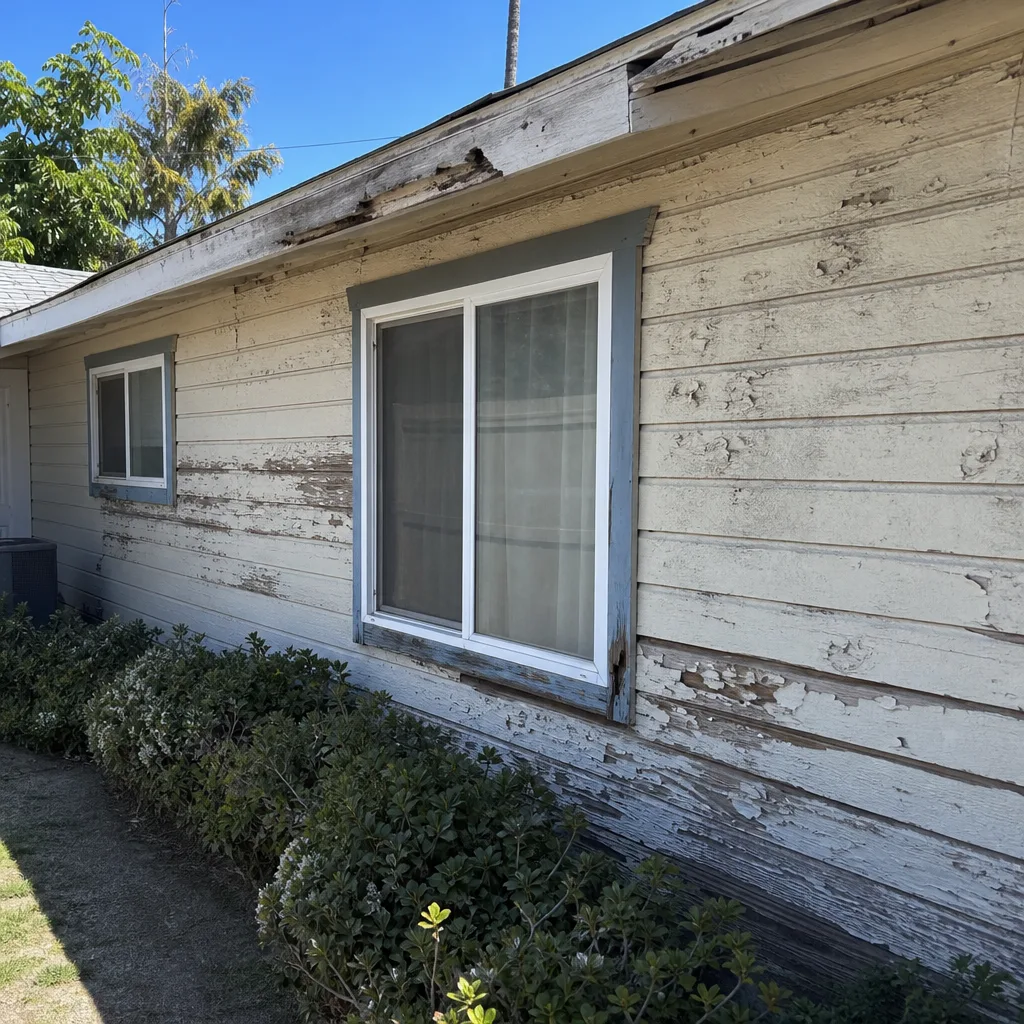 Before
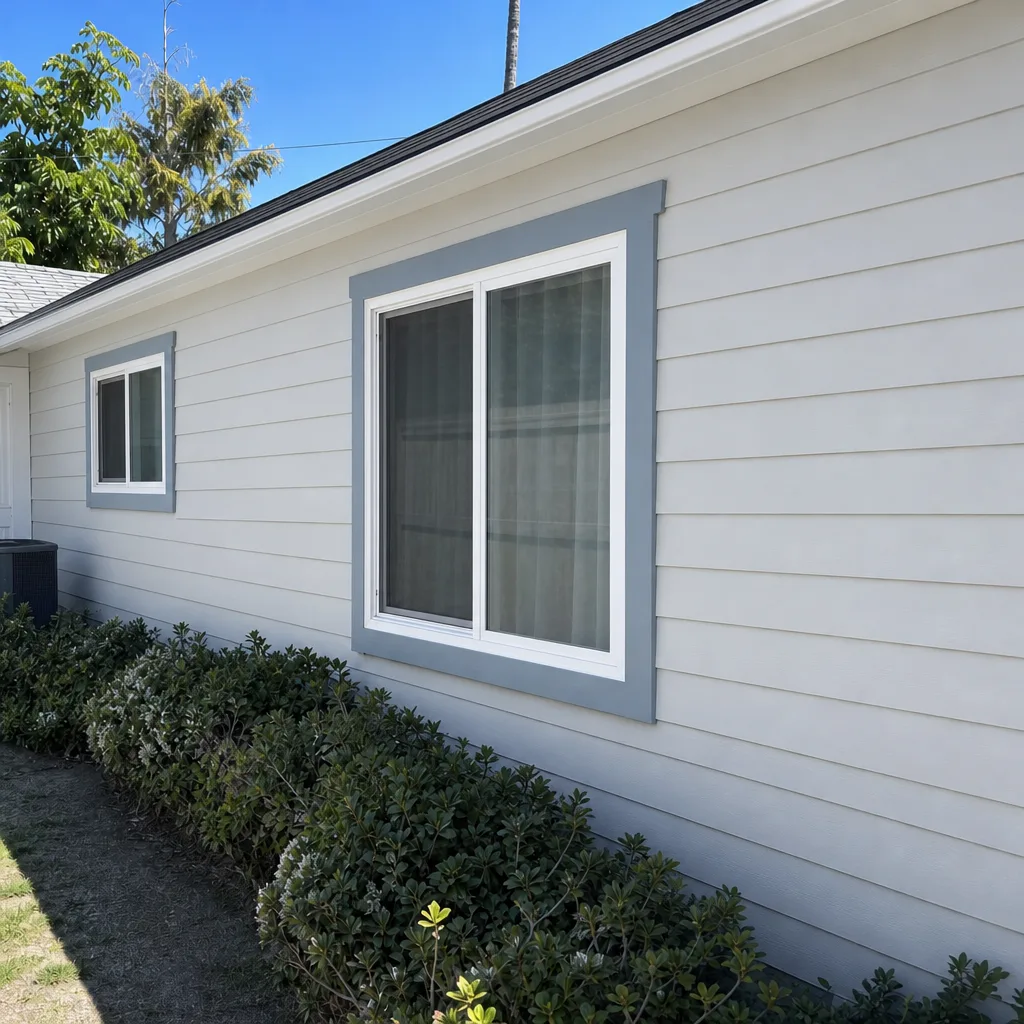 After
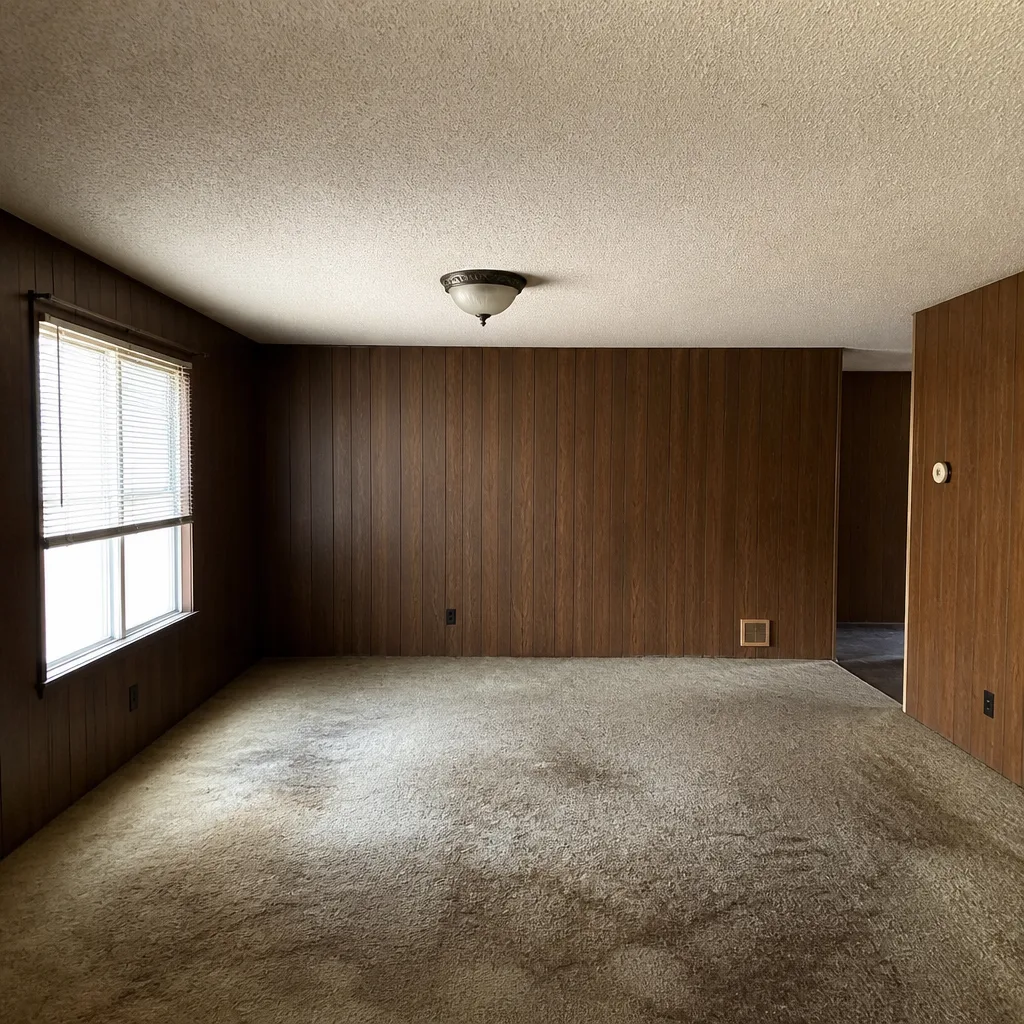 Before
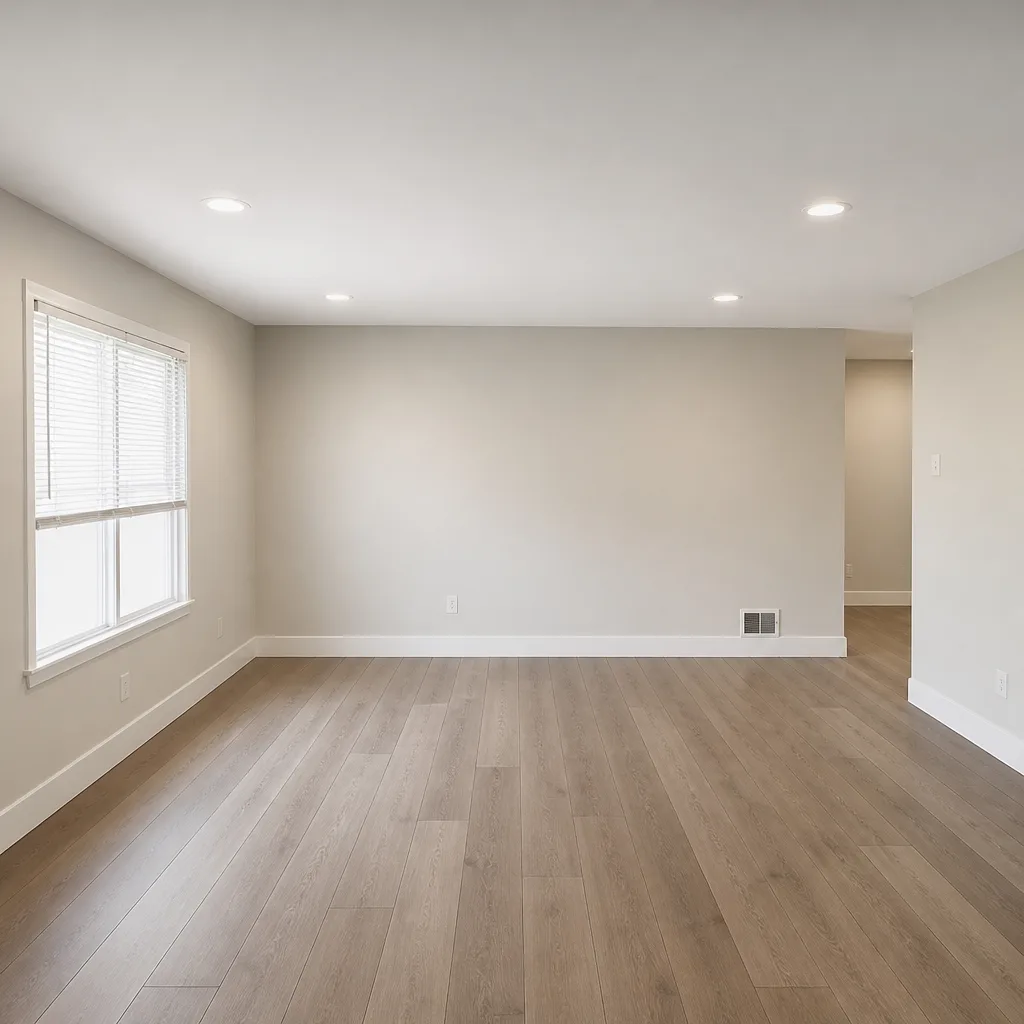 After
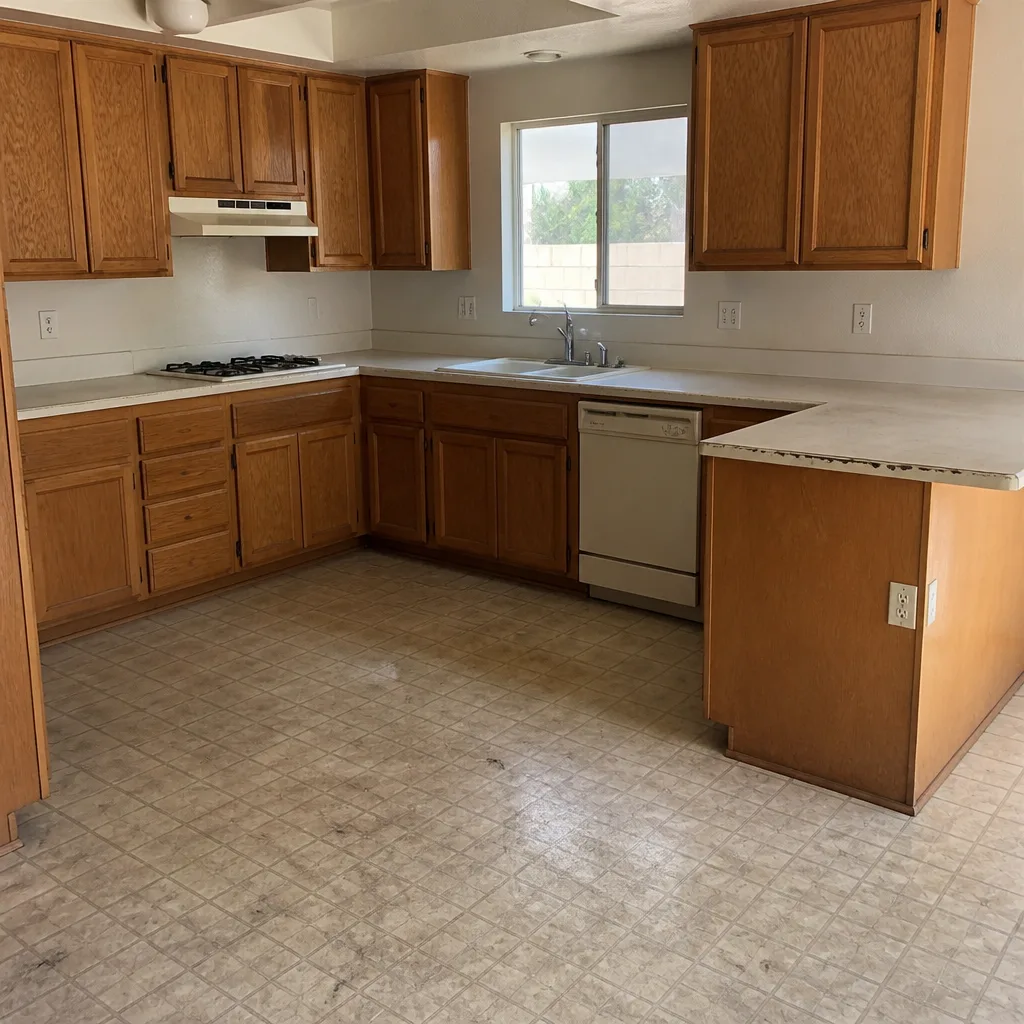 Before
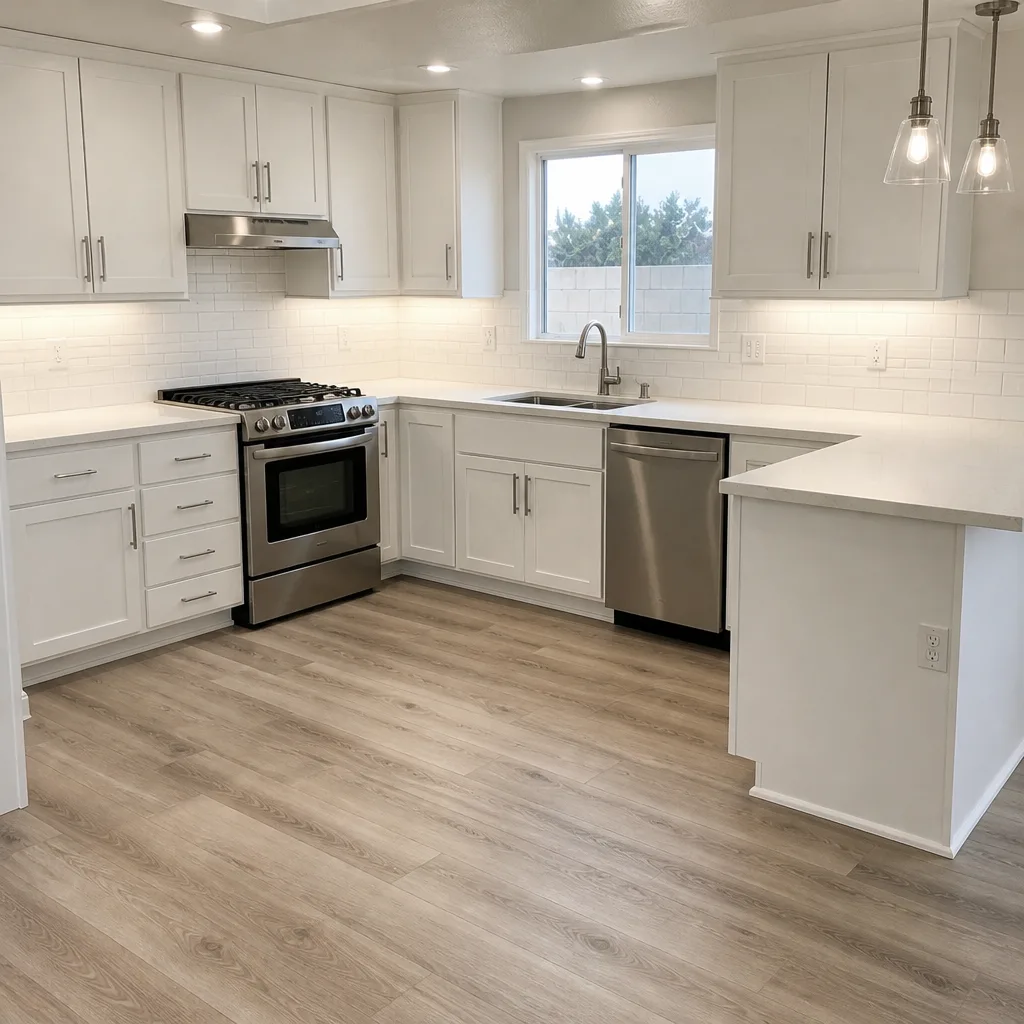 After