
Last updated October 31, 2026
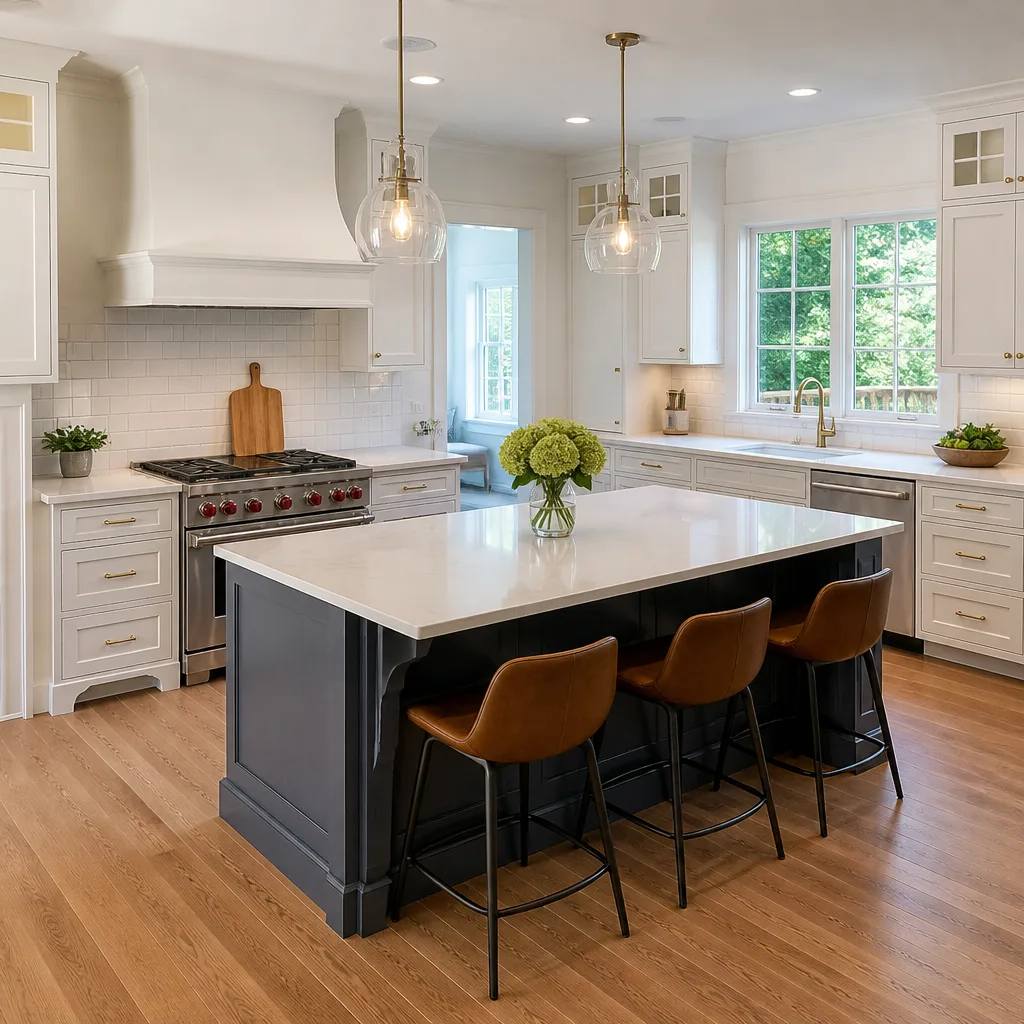 Kitchen remodeling
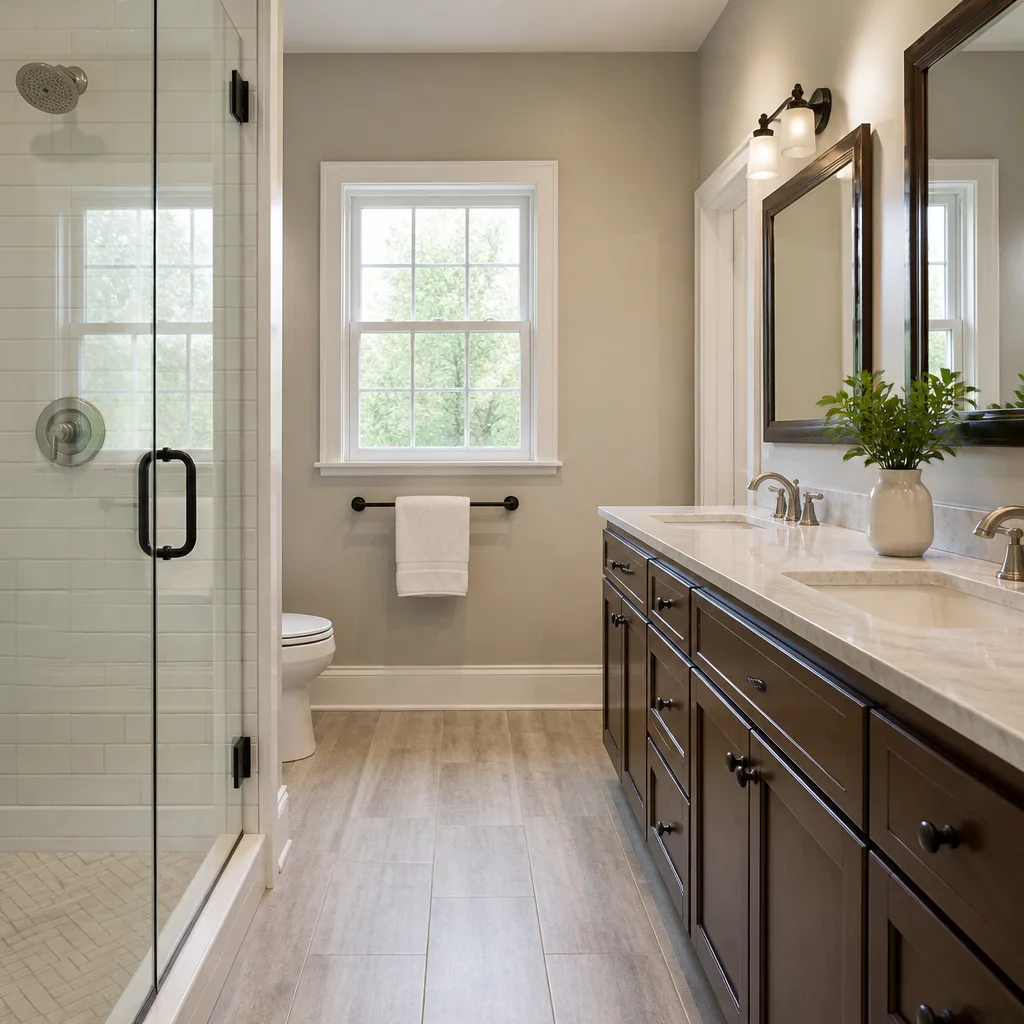 Bathroom remodeling
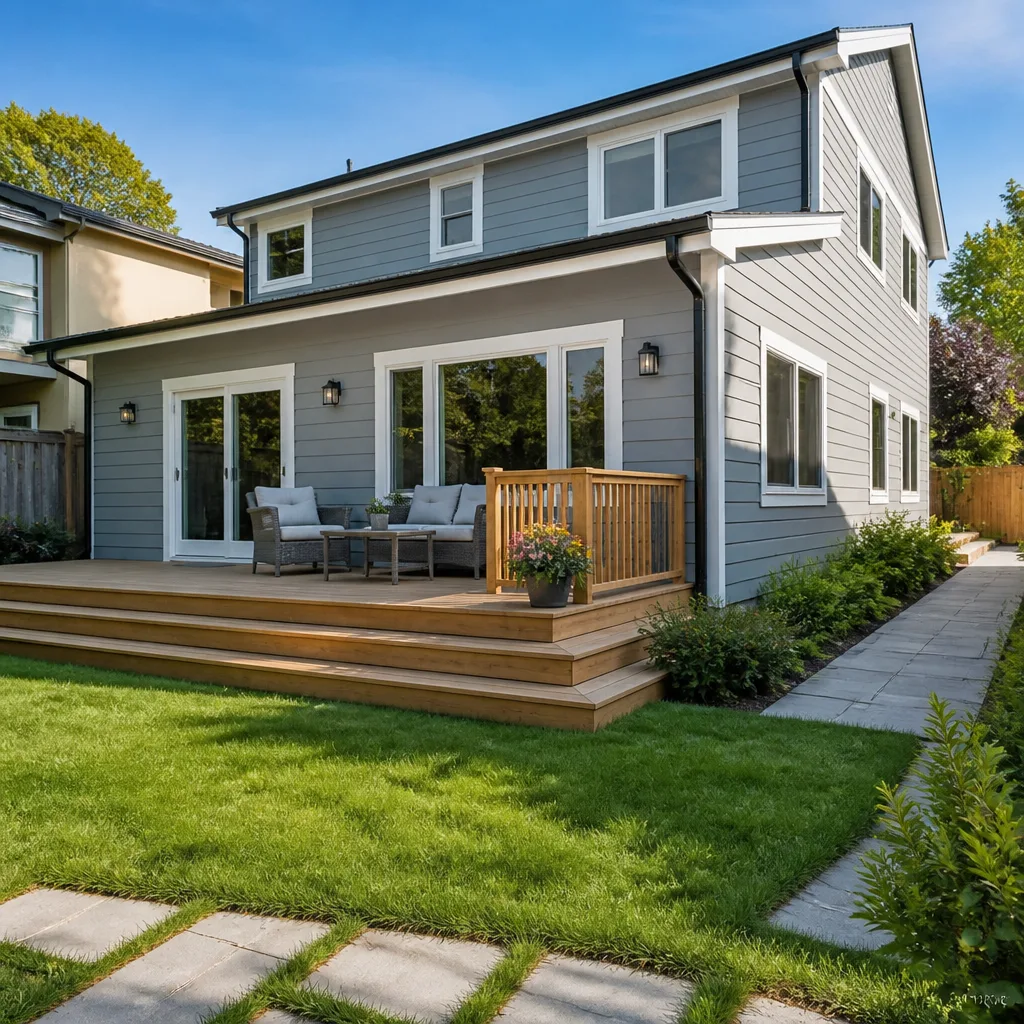 Home additions & ADU
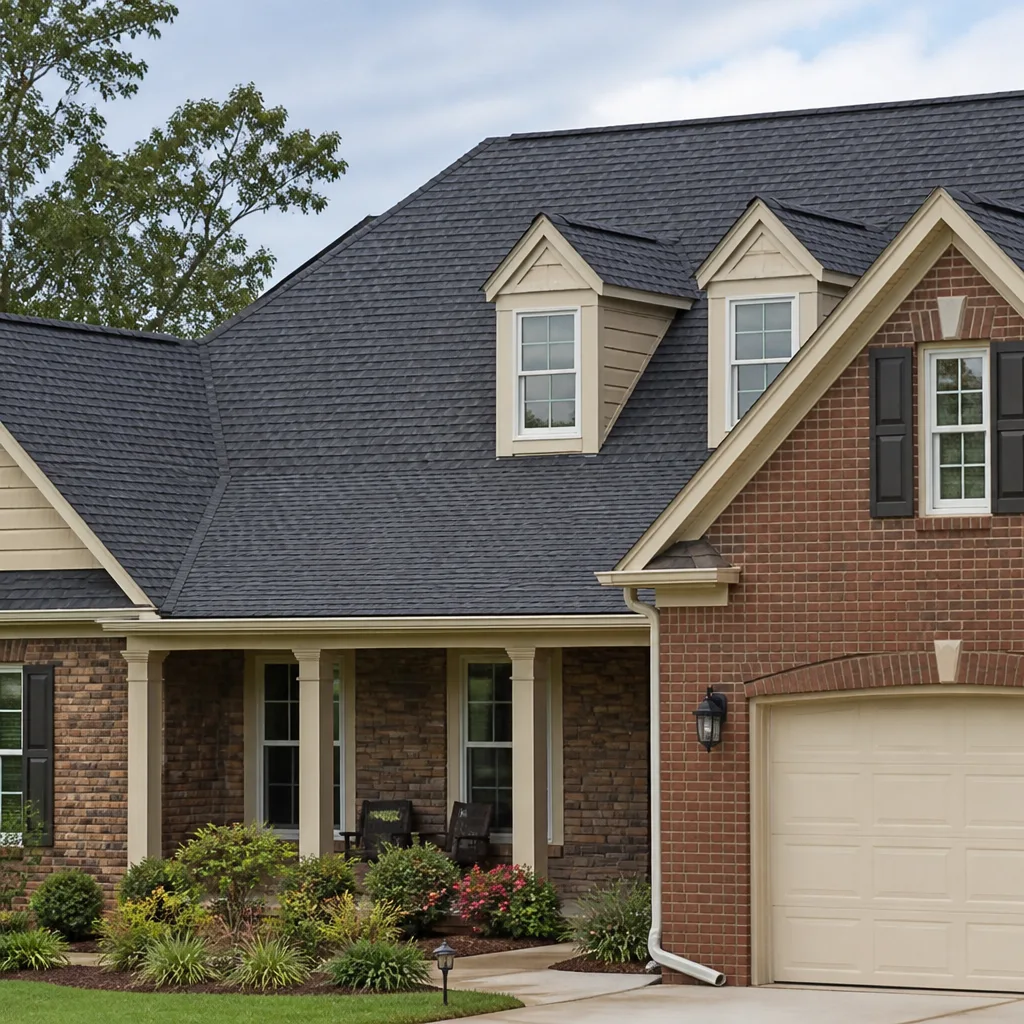 Roofing
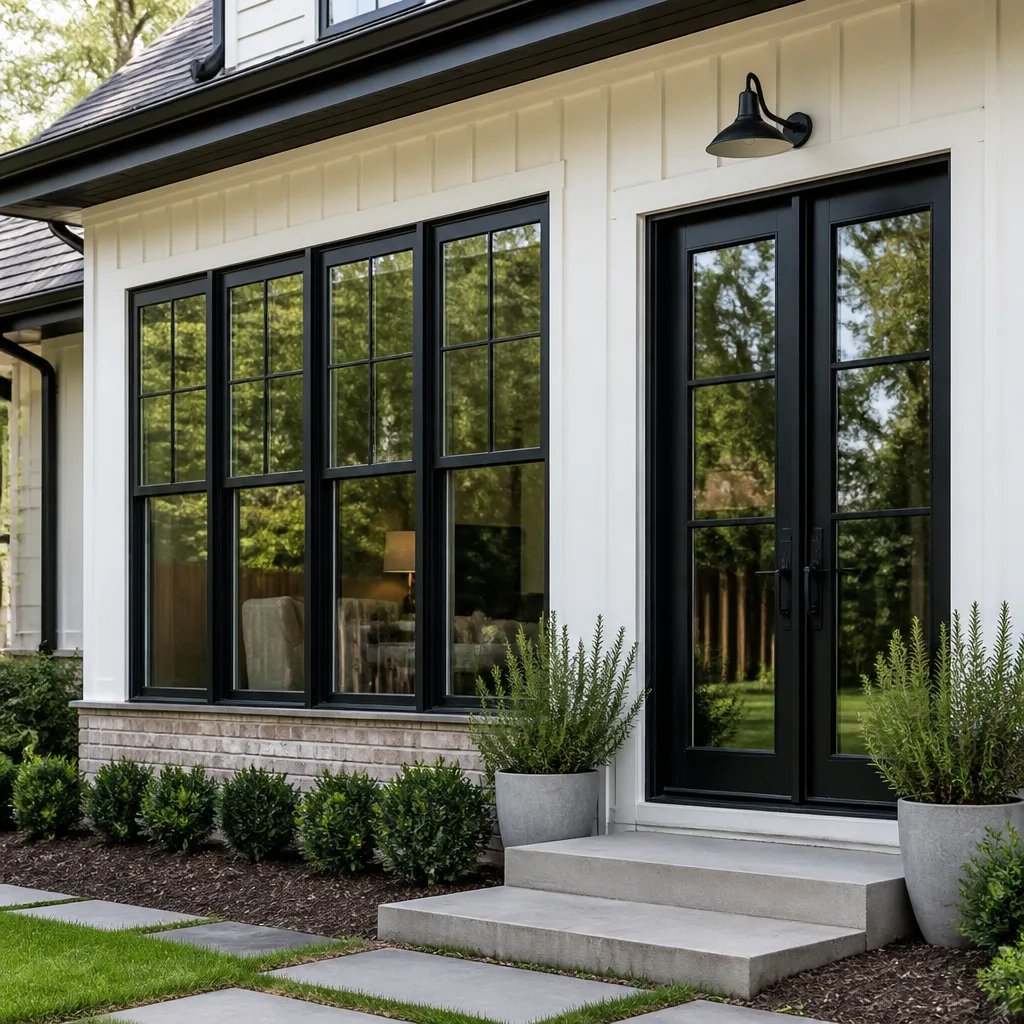 Windows & doors
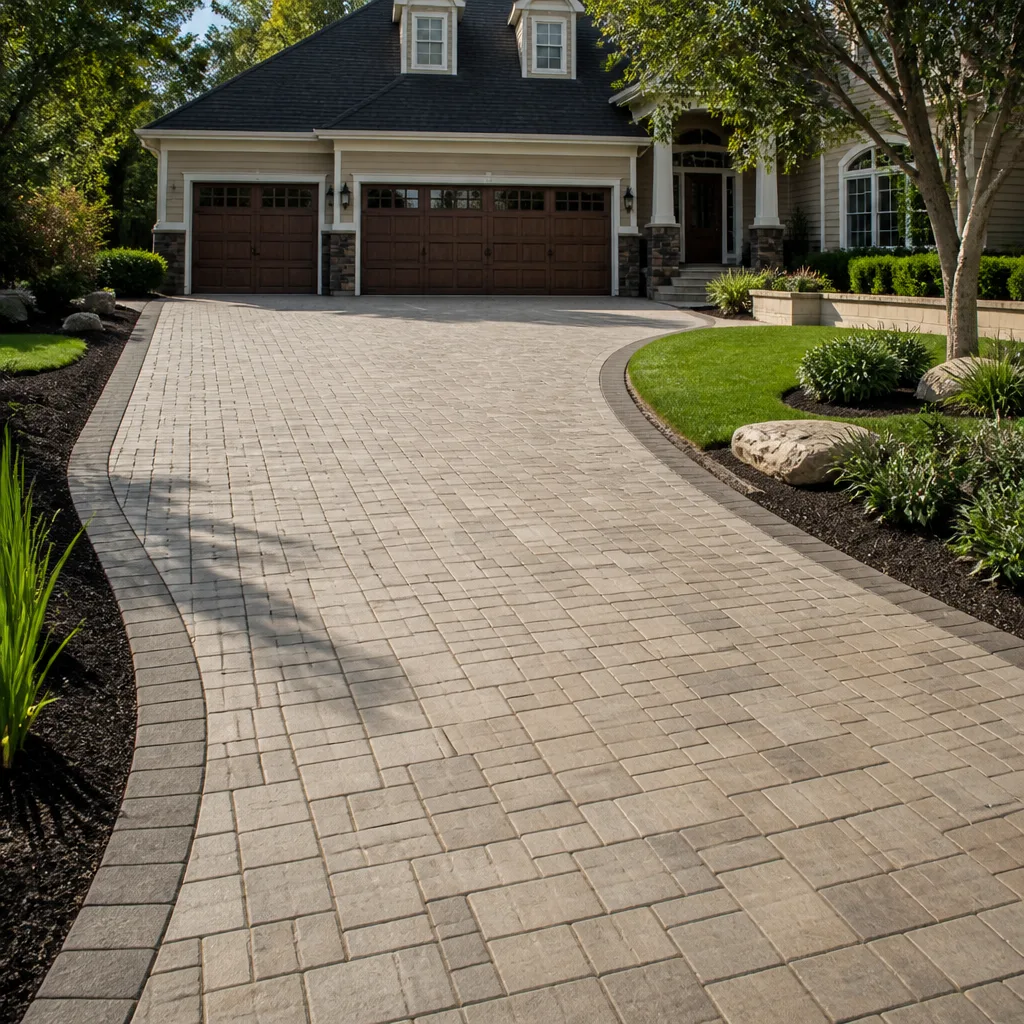 Driveway & pavers
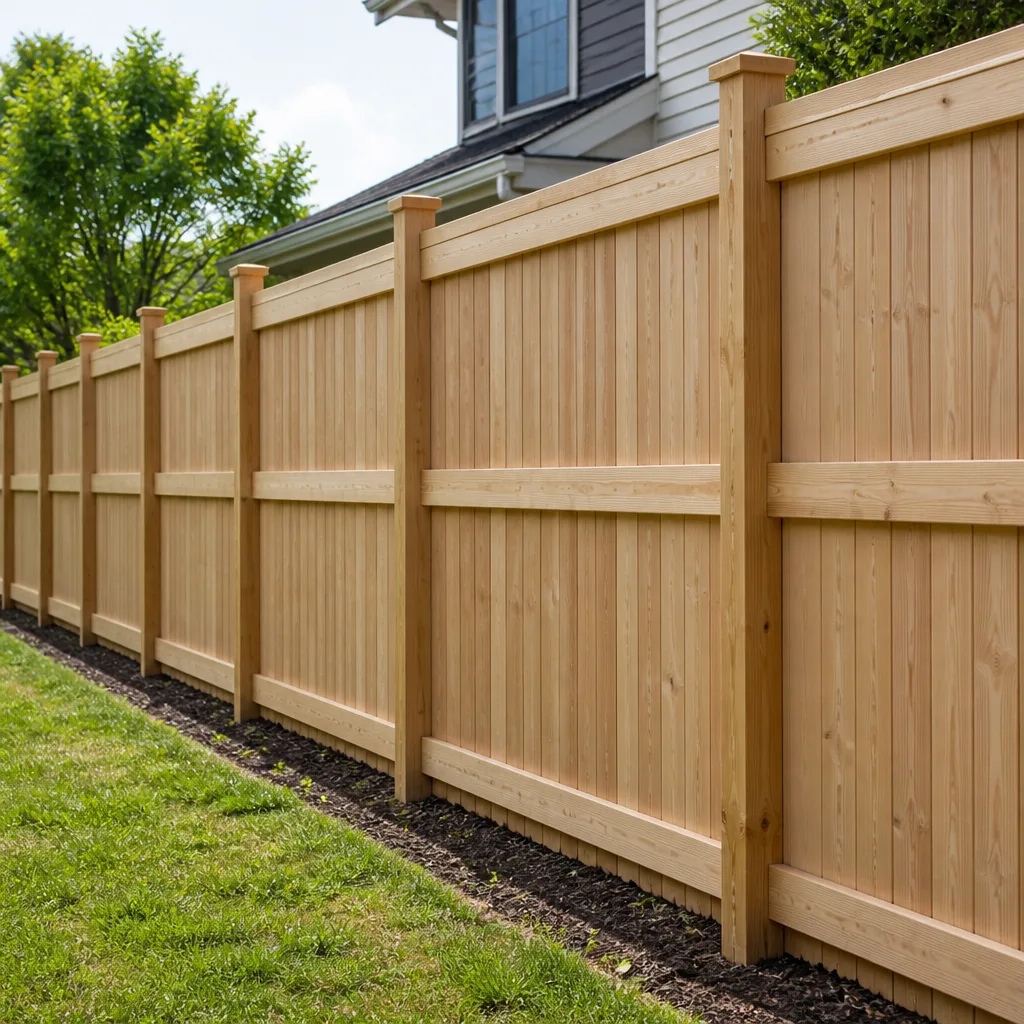 Fence
Free written scope consultation - allowances, timeline, and change-order rules on paper before a single trade is scheduled
Choosing the Right Construction Brand: A Buyer’s Guide for Garden Grove
Every major construction manufacturer spends millions telling homeowners their brand is the best. Most of that messaging is national, generic, and useless when applied to a specific house on a specific street in Garden Grove. The shingle that tops a new subdivision in Ohio won’t necessarily survive two decades of Orange County sun, and the window glass rated for Minnesota winters has little to do with what your west-facing living room needs in August. What actually matters is whether the product’s engineering matches the conditions it will face on your property, and whether the company behind it will still honor the warranty when those conditions do their worst. This guide explains how to choose construction brands the way a contractor does: by performance specification, not reputation. For a deeper look at the full process, see The Complete Guide to Construction in Garden Grove.
Quick Answer
The right construction brand for a Garden Grove home is the one whose technical specifications match Southern California’s specific climate demands: high UV exposure, Santa Ana wind events, and Title 24 energy requirements. Before comparing brand names, identify the performance numbers your project actually needs (wind uplift ratings, UV resistance, thermal performance), then verify the manufacturer maintains a serviceable warranty network in California with local distribution and installer support. For detailed cost context to pair with these specs, see our Construction Cost Breakdown: The Garden Grove Homeowner’s Reference for 2026.
Styles & brands we work with
- Kitchen remodeling
- Bathroom remodeling
- Home additions & ADU
- Roofing
- Windows & doors
- Driveway & pavers
- Fence
Table of Contents
- Garden Grove’s Climate Stress Test: What Your Materials Actually Face
- How to Read a Technical Data Sheet Like a Contractor
- Roofing Brands: The Numbers Behind the Names
- Windows and Title 24: Where Energy Star Isn’t Enough
- Siding: Fiber Cement, Stucco, and the Moisture Question
- Hardscape and Pavers: Load Ratings You Actually Need
- Warranty Serviceability: The California Verification Test
- Why Your Contractor’s Preferred Brand Matters More Than Their Price
Garden Grove’s Climate Stress Test: What Your Materials Actually Face
Before evaluating any brand, you need to understand the conditions that brand will endure. Garden Grove sits in a climate that punishes materials differently than most of the country. We’re inland enough to avoid the marine layer’s daily moderating effect on summer temperatures, but close enough to the coast that winter never gets cold enough to freeze. That combination creates specific material stresses.
The primary challenge is ultraviolet radiation. Garden Grove averages 278 sunny days per year, and that sun attacks organic materials relentlessly. Roofing underlayment, asphalt shingle binders, PVC trim, and wood decking all degrade faster here than in Seattle or Portland. A brand with strong UV stabilization chemistry will outlast one without it, even if the two products look identical on a shelf and carry the same warranty duration on paper.
The second challenge is the Santa Ana wind corridor. Garden Grove sits squarely in the path of seasonal northeast winds that routinely gust 40-60 mph and occasionally push higher. For roofing, this means uplift resistance matters as much as water shedding. For fencing, it means post embedment and panel wind load become structural questions, not aesthetic ones. For windows, it means air infiltration ratings affect both comfort and energy bills during the hot, dry months when those winds blow.
The third factor is moisture paradox: Garden Grove gets only about 14 inches of rain annually, but when rain arrives it often arrives all at once. A material that handles light, frequent moisture might fail under sudden heavy downpours after months of drought. This matters especially for siding, stucco systems, and hardscape base preparation.
How to Read a Technical Data Sheet Like a Contractor
Every legitimate manufacturer publishes technical data for their products. These documents exist for architects, engineers, and code officials, but they’re also the most underused consumer resource in construction. Reading one takes about ten minutes once you know what to look for, and it tells you more about real-world performance than any marketing brochure.
Here are the specifications that matter most for Garden Grove projects, and what to look for in each category:
- UV resistance rating: Look for ASTM G154 accelerated weathering test results. This test simulates years of sun exposure in weeks. For outdoor products in Garden Grove, you want materials that show minimal color shift and no structural degradation after 2,000+ hours.
- Wind uplift rating: For roofing, check the ASTM D3161 or UL 580 rating. Given Santa Ana wind events, you should be looking at products rated for at least 110 mph wind speeds, even though local building codes may require less. The premium brands publish these numbers prominently; if a manufacturer won’t share them, that’s your answer.
- Thermal performance values: For windows and insulation, look for U-factor and Solar Heat Gain Coefficient (SHGC). These are the two numbers that actually matter in Orange County’s climate zone. U-factor measures how well the product resists heat transfer. SHGC measures how much solar radiation passes through the glass. In Garden Grove, you want a low SHGC to block solar gain during summer’s peak cooling months.
- Moisture permeability ratings: For siding, housewrap, and roofing underlayment, check perm ratings. Garden Grove’s dry climate means a product that traps moisture can actually be more problematic than one that breathes. You want materials that manage vapor without creating condensation traps inside wall assemblies.
- Fire resistance: Given our proximity to wildfire-adjacent zones and the general Southern California fire risk, check Class A fire ratings for roofing and cladding. This isn’t just about safety; some insurers now require specific fire-rated materials before they’ll write or renew policies on Garden Grove homes.
None of this requires an engineering degree. The data sheets are published online, and the key numbers are usually on the first two pages. What matters is that you’re looking at performance numbers that match your actual conditions, not a nationally averaged marketing claim.
Roofing Brands: The Numbers Behind the Names
Garden Grove homeowners shopping for roofs will hear the same handful of brand names repeated: GAF, CertainTeed, Owens Corning, IKO, Atlas, Tamko, and Boral. All of them make legitimate products. All of them make products that would perform differently on your specific house.
The roofing decision in Garden Grove comes down to two primary considerations: UV degradation resistance and wind uplift performance. A 30-year architectural shingle from a premium manufacturer earns that rating through asphalt formulation and granule adhesion technology. Cheaper shingles from the same brand’s budget line may carry a similar warranty duration but use less UV-stabilized asphalt and smaller granules that surrender to Orange County sun years earlier.
Here’s what separates the categories in practice:
- Premium architectural shingles (GAF Timberline, CertainTeed Landmark, Owens Corning Duration): These use polymer-modified asphalt that resists UV brittleness, and their granule adhesion specs hold up under Santa Ana sand-blasting conditions. If your Garden Grove home has moderate to high sun exposure, this is the tier that makes sense. The price difference between this tier and builder-grade is typically $1,500-$3,000 on an average roof, and the performance difference becomes visible around year 12-15.
- Concrete and clay tile (Boral and regional manufacturers): These dominate Garden Grove’s original 1950s-1970s housing stock because they handle UV beautifully and carry inherent Class A fire ratings. The downside is weight: tile roofs require structural verification, and replacing tile with tile often means upgrading underlayment to modern synthetic products that outperform the original felt paper.
- Budget three-tab or builder-grade architectural: These work, but their UV performance and granule retention specs are lower. On a Garden Grove roof with full southern exposure, the difference between a 20-year lifespan and a 30-year lifespan is usually determined by which tier you selected, not which brand name is stamped on the package.
The right approach is to specify the performance tier first, then compare brands within that tier on warranty terms and local contractor familiarity. For a comprehensive walkthrough of this process, read The Complete General Contractor Guide for Garden Grove Homeowners. Garden Grove Contractors sources from seven roofing manufacturers because no single brand optimizes for every budget and exposure condition. The conversation should start with your roof’s orientation, pitch, and existing deck condition, not with a brand name you saw on a billboard.
Windows and Title 24: Where Energy Star Isn’t Enough
Here’s something most Garden Grove homeowners discover too late: an Energy Star label does not mean a window is optimized for your home. Energy Star is a national program, and its performance criteria vary by climate zone. A window that earned Energy Star certification for the northern United States may carry a Solar Heat Gain Coefficient that’s entirely wrong for Orange County.
California’s Title 24 building code actually requires more than Energy Star in most cases. Title 24 mandates specific U-factor and SHGC maximums for replacement windows in California climate zones. Garden Grove falls in climate zone 8 or 9 depending on your exact location, which means your windows need an SHGC of 0.25 or lower in most prescriptive compliance paths. That’s a significantly stricter requirement than Energy Star’s national baseline.
This is where brand reputation becomes genuinely meaningful. Premium window manufacturers like PGT publish detailed thermal performance data for every glass package they offer. Their engineering teams optimize glass coatings for specific climate zones, and their California distribution means the product lines sold here are actually configured for our solar conditions. A generic vinyl window from a national big-box brand may technically meet code minimums while performing noticeably worse in real-world cooling costs.
When comparing window brands for Garden Grove, request these three numbers for every product line you’re considering:
- U-factor: Lower is better. Title 24 compliance in our zone typically requires 0.30 or lower for most window types.
- SHGC: Lower is better for Garden Grove’s cooling-dominated climate. Target 0.25 or below, regardless of what code minimums allow.
- Air infiltration rating: Measured in cfm/ft², this tells you how much air leaks around the operable sashes. Premium brands test below 0.10; budget brands often exceed 0.30. That difference shows up in your AC bill every summer month.
A quality window installation matters as much as the brand itself. A premium PGT window installed with sloppy flashing will underperform a mid-range window installed correctly. But when you control for installation quality, the brand’s published thermal numbers are the single most reliable predictor of long-term energy performance and comfort in Garden Grove’s climate.
Siding: Fiber Cement, Stucco, and the Moisture Question
Garden Grove’s housing stock splits roughly evenly between stucco original construction and newer fiber cement installations, with some wood siding remaining on older bungalows. Each material category has brand leaders, but the selection logic differs from what you’d use in other parts of the country.
James Hardie dominates the fiber cement category for good reason. Their product’s moisture resistance and dimensional stability outpace competitors, and their ColorPlus factory finish carries a 15-year warranty that holds up under Southern California sun. But the real advantage Hardie offers Garden Grove homeowners is their local distribution network. Hardie products are stocked throughout Orange County, which means warranty replacement parts, matching trim profiles, and installer familiarity are all easier to access than they would be for a specialty brand with thinner California distribution.
For stucco, the brand question is actually a system question. Traditional three-coat stucco over lath is a time-tested approach that works well in Garden Grove’s dry climate, but the system’s performance depends heavily on the quality of the weather barrier underneath and the skill of the plaster crew. Modern synthetic stucco systems like Sto and Dryvit offer superior crack resistance and insulation performance, but they demand more careful flashing details. Given Garden Grove’s pattern of long dry spells punctuated by sudden heavy rain, any stucco system needs impeccable water management at penetrations: windows, doors, electrical boxes, hose bibs.
The key question for Garden Grove siding selection is moisture permeability sequencing. Wall assemblies should dry to the outside, which means each layer should be more permeable than the one beneath it. Fiber cement siding with proper housewrap underneath handles this well. Stucco systems require a drainage plane behind the scratch coat. When we inspect failing siding on Garden Grove homes, the problem is rarely the siding brand itself; it’s almost always a missing or incorrectly layered moisture barrier underneath.
Hardscape and Pavers: Load Ratings You Actually Need
Hardscape selection in Garden Grove looks different than in colder climates, but not for the reasons most people assume. We don’t deal with freeze-thaw cycling that cracks pavers in the Northeast, so the primary selection criteria shift to load bearing, UV color stability, and base preparation compatibility with our soil conditions.
Most Garden Grove soil is a sandy loam with moderate expansion potential. That’s forgiving compared to clay-heavy soils elsewhere, but it still requires proper base compaction and edge restraint. The paver brand matters less than the base specification for overall performance, though the brand does determine long-term appearance.
When comparing hardscape brands like Unilock, Belgard, and Techo-Bloc, focus on these differentiators:
- Compressive strength ratings: Driveway-rated pavers from any of these manufacturers meet minimum standards, but if you’re planning to park heavier vehicles or an RV, check rated PSI. Some Techo-Bloc products exceed 8,000 PSI, which matters for high-load applications.
- Face mix technology and color stability: Premium brands use through-body color or durable face mixes that resist fading under Garden Grove sun. This is the single most common complaint we hear about budget pavers: they look beautiful for three years, then fade irregularly.
- Jointing system compatibility: Modern polymeric sands work differently with different paver textures and chamfers. Brands that publish jointing system specifications make installation outcomes more predictable.
- Local availability: This is an underrated factor. Belgard and Unilock maintain strong distribution through Orange County landscape supply yards, which means replacement pieces, complementary borders, and future additions are easier to source. That continuity matters when you’re building a hardscape project you’ll maintain for 20 years.
For most Garden Grove patios, walkways, and pool decks, the mid-to-premium tier from Unilock or Belgard delivers the right balance of color stability, structural performance, and local availability. The project’s success will ultimately depend more on the base preparation and edge restraint than on the brand stamped on the paver, but the brand’s color durability under Orange County UV exposure is a legitimate long-term differentiator.
Warranty Serviceability: The California Verification Test
Warranty claims are where brand reputation meets hard reality. Every major manufacturer advertises generous warranties, but the experience of actually filing a claim varies dramatically by region, product category, and installer relationship. In Garden Grove, this matters because some national brands maintain strong California service networks while others are effectively coasting on East Coast or Midwest infrastructure.
Here’s how to verify that a warranty is actually serviceable in Southern California before you buy:
- Request local distributor information: Call the manufacturer’s customer service line and ask for the nearest authorized distributor. If the answer is a warehouse in Phoenix or Las Vegas, think carefully about what a warranty claim will look like in year eight when your product needs replacement components.
- Check installer certification requirements: Many premium brands only honor full warranty coverage when a certified installer performs the work. Ask your contractor to show their manufacturer certifications for the specific product line you’re buying. “We install that brand” and “We’re certified by that brand” are different statements.
- Read the prorated terms: A “lifetime warranty” on a roof often means full coverage for the first 10 years, then prorated coverage based on elapsed time. The proration schedule tells you more than the headline duration. Know what year 15, year 20, and year 25 actually pay out.
- Verify California-specific coverage: Some manufacturers offer enhanced UV or wind coverage in certain states. Others exclude specific failure modes that are common in Southern California. Read the fine print for UV-related fading or granule loss exclusions.
- Confirm the warranty transfers if you sell: Garden Grove homes change hands frequently. A warranty that dies when you sell has materially less value than one that transfers to the next owner. Transferable warranties also signal manufacturer confidence in long-term performance.
This verification process takes about an hour per major product category. Given that you’re making a five-figure investment in your home, it’s one of the highest-value hours you can spend during the selection process.
Why Your Contractor’s Preferred Brand Matters More Than Their Price
Every contractor has brands they know deeply and brands they’re willing to install anyway because a customer asked for them. The difference between those two categories is measurable in installation quality, call-back rates, and long-term performance. In our experience at Garden Grove Contractors, the single biggest predictor of a successful material installation is the installer’s genuine familiarity with that specific product’s requirements.
This matters because construction products are not commodities. Each manufacturer engineers their products with specific installation tolerances, fastener requirements, flashing details, and sequencing expectations. A roofing crew that has installed 200 GAF roofs knows exactly how to handle GAF’s specific hip and ridge application details. The same crew installing their first IKO roof is learning on your house. The same principle applies to cabinetry, countertops, windows, and hardscape.
When a contractor has curated partnerships with specific brands, that’s typically the result of years of relationship building, training investment, and warranty claim experience. It’s not arbitrary. Garden Grove Contractors works with over 50 recognized manufacturers across cabinets, countertops, plumbing fixtures, roofing systems, windows, fencing, hardscape, siding, and prefab structures because different projects genuinely call for different products. But within each category, we focus on the specific brands our installers know best and the manufacturers whose California support we’ve tested. That’s general contractor work at its core: curating material selections around reliable brands and proven installation expertise, not around what a single supplier happens to push this month.
The right question to ask any contractor isn’t “Do you install this brand?” but “How many of these have you installed, and what’s your relationship with the manufacturer?” A direct answer to that question tells you more about your project’s likely outcome than any brand comparison chart.
Common Mistakes to Avoid
- Selecting brands by national advertising. The brands with the biggest marketing budgets aren’t necessarily the best fit for Garden Grove’s climate. Marketing spend and UV performance are unrelated variables.
- Ignoring thermal performance values. A window’s SHGC directly affects your summer cooling costs. Buying an Energy Star window without checking SHGC is like buying a car without checking its fuel economy.
- Comparing warranties by duration alone. A 50-year prorated warranty with poor California service support is worth less than a 30-year warranty from a manufacturer with local distribution and responsive claims handling.
- Choosing products without considering installer familiarity. The best window brand installed by a crew that’s never installed it before will underperform a mid-tier brand installed by a crew with 300 projects of experience.
- Skipping the technical data sheet. Every relevant performance number for our climate is published and accessible. Not reading it before making a five-figure material decision is leaving money on the table.
- Assuming all products in a brand line perform equally. Most manufacturers sell good, better, and best tiers. The brand name on the box doesn’t guarantee you’re getting the tier with the UV resistance and wind ratings our conditions demand.
- Overlooking base preparation in hardscape projects. The paver brand matters less than the base specification beneath it. In Garden Grove’s sandy loam soil, a properly compacted base with edge restraint will outlast a premium paver on a mediocre base every time.
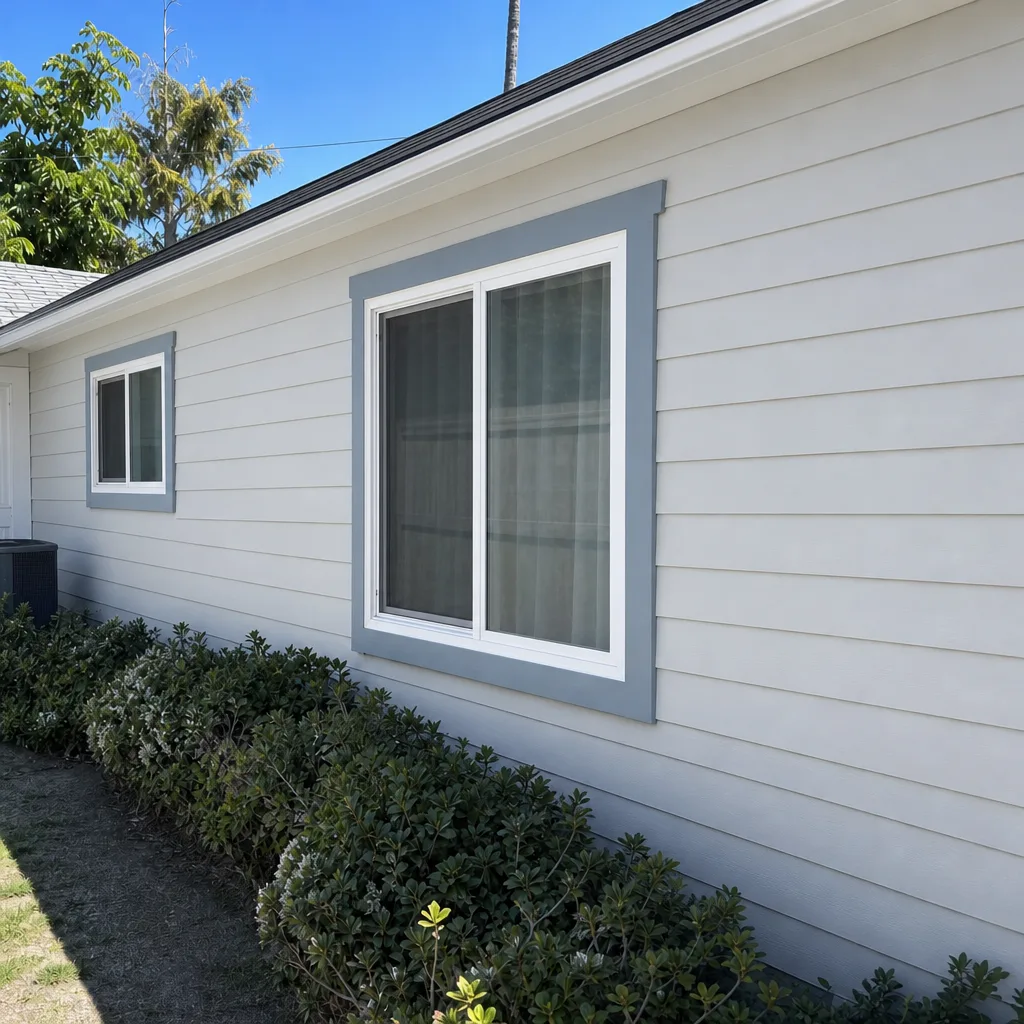
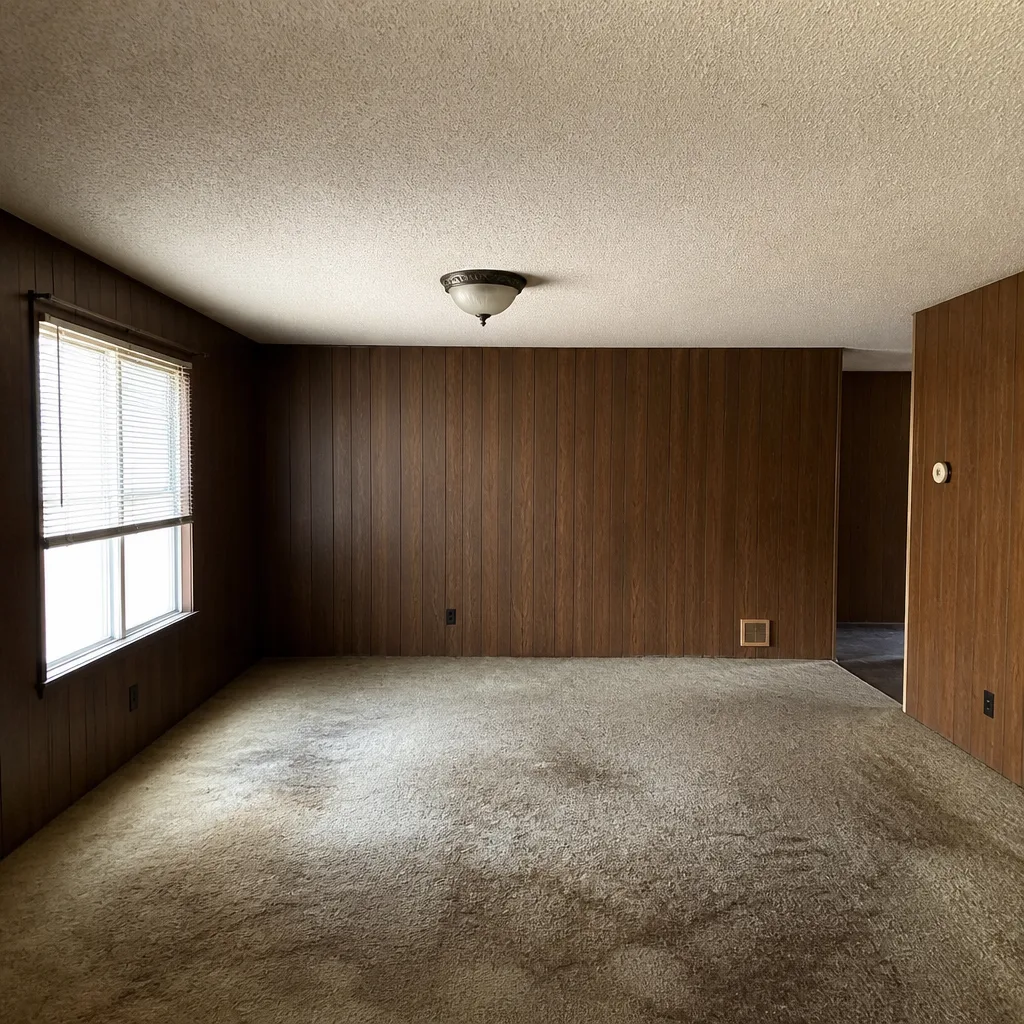
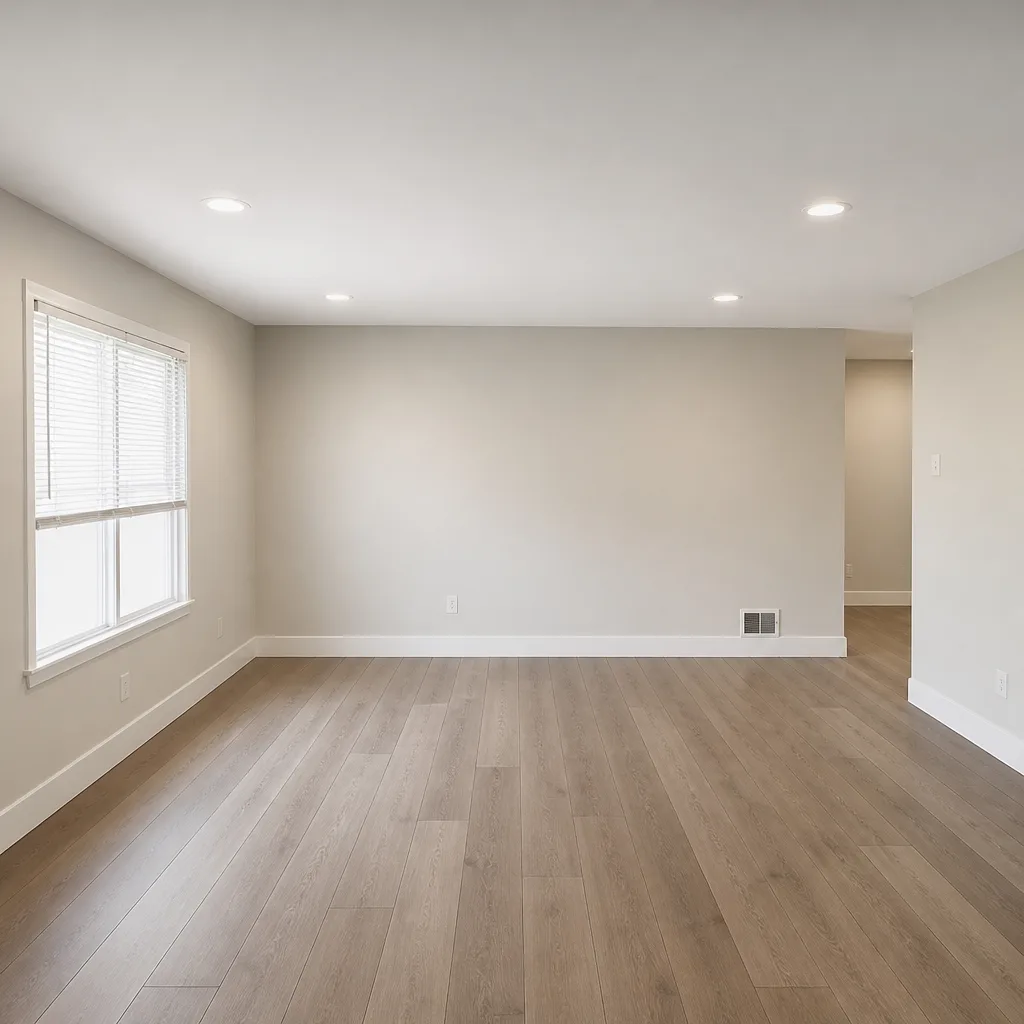
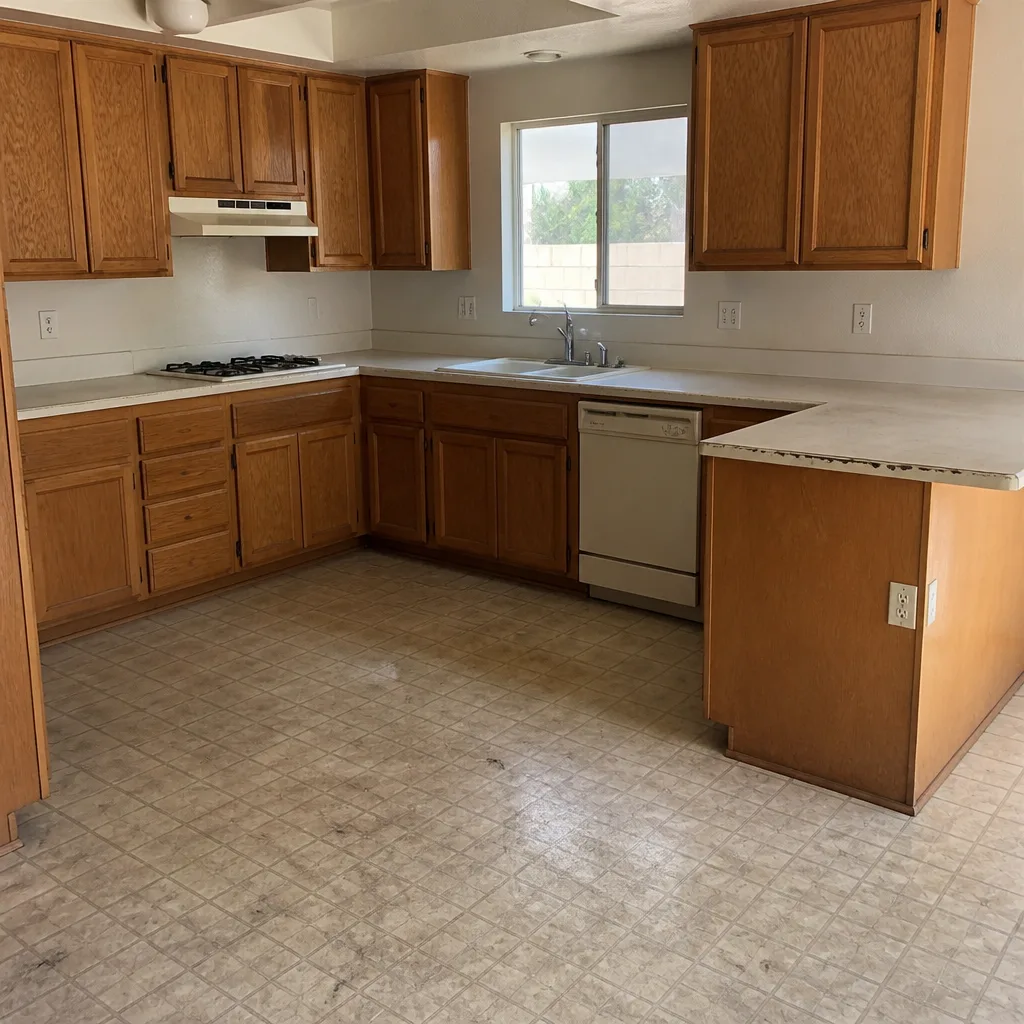
See the difference
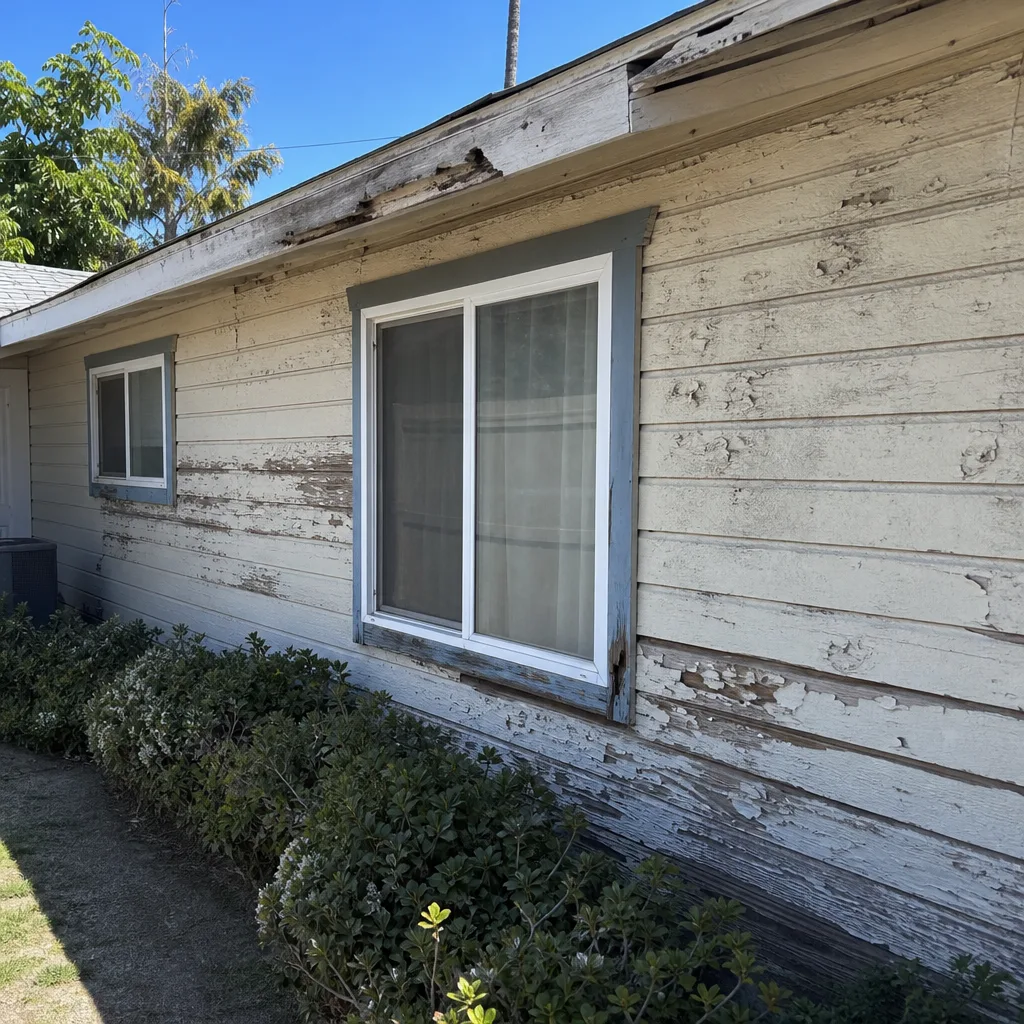 Before
 After
 Before
 After
 Before
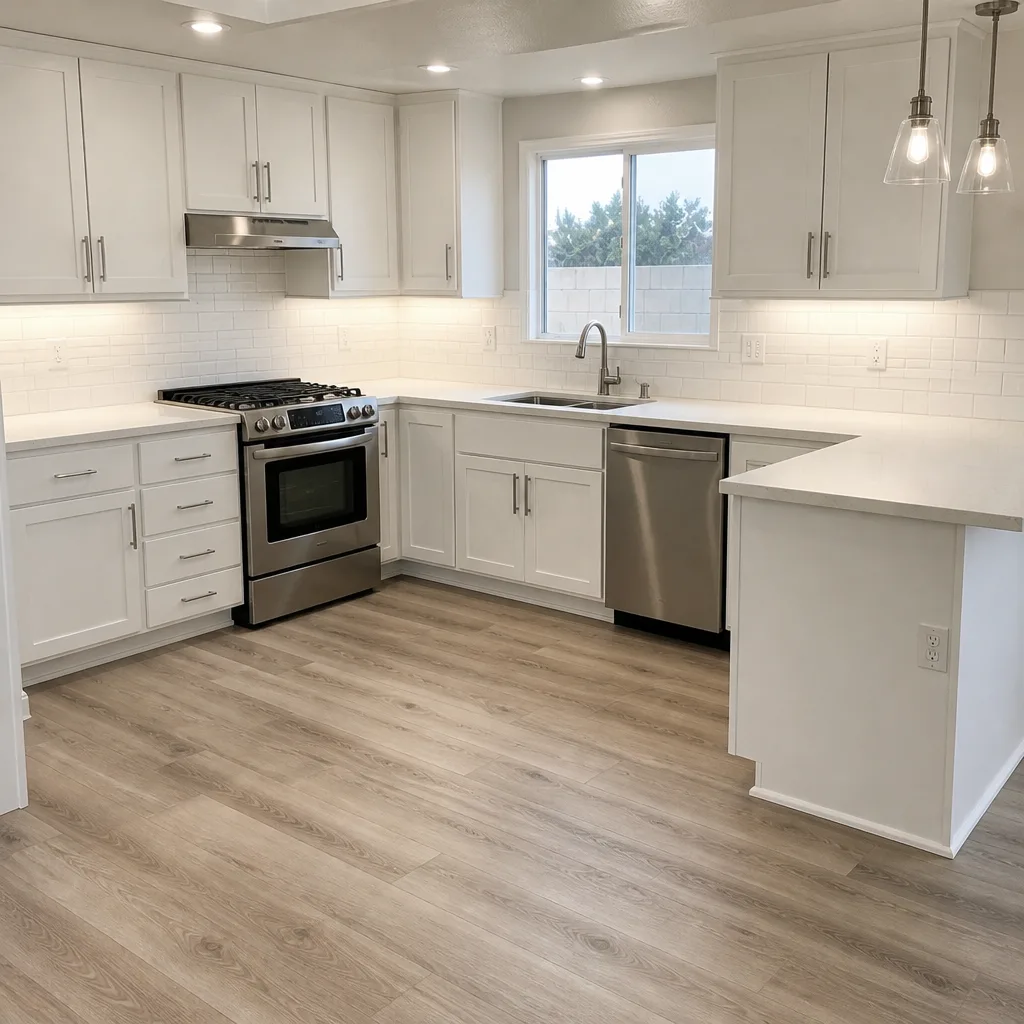 After
When to Call a Professional
Material selection advice is free until it isn’t. If you’re planning a major home remodeling project and feeling overwhelmed by brand options, a professional consultation can save you from a costly specification mistake. This is especially true for roofing and window selections, where the brand choice locks in 20-30 years of performance, and for multi-phase projects where your material choices need to coordinate across trades. Garden Grove Contractors home offers free estimates in Garden Grove – call (877) 373-9230 to schedule a consultation. We’ll walk you through the technical data sheets for the products relevant to your project, explain which performance numbers matter for your specific home orientation and exposure, and align your material selections with your budget and long-term plans for the property.
Frequently Asked Questions
The best roofing brand depends on your roof’s sun exposure, pitch, and budget, but premium architectural shingles from GAF, CertainTeed, or Owens Corning all perform well in Garden Grove’s climate when you select their UV-stabilized tiers. For original tile homes, Boral concrete and clay tile products remain the standard for durability and fire resistance. Call (877) 373-9230 for a free assessment of what your specific roof needs.
Yes, all replacement windows in Garden Grove must meet California Title 24 energy requirements, which are stricter than national Energy Star baselines for our climate zone. Look for windows with an SHGC of 0.25 or lower and a U-factor of 0.30 or lower to ensure compliance and real summer energy savings.
Call the manufacturer directly and ask for their nearest authorized distributor and the process for filing a claim in Orange County. If they can’t answer both questions confidently, the warranty may be less valuable than the brochure suggests.
Do both. Research performance specs independently so you understand the technical requirements, then ask your contractor how many projects they’ve completed with that specific brand and whether they hold manufacturer certification. The ideal outcome is a brand that meets your performance requirements and that your contractor installs with proven expertise.
James Hardie fiber cement is an excellent choice for Garden Grove because its moisture resistance handles our drought-then-downpour rainfall pattern well, and its factory finish carries UV protection that stands up to Orange County sun. The brand’s strong California distribution network also supports warranty service and future matching.
Unilock, Belgard, and Techo-Bloc all offer products with through-body color or UV-stable face mixes that resist fading under Garden Grove’s intense sun exposure. Within these brands, prioritize products with published color stability ratings and ensure your installer follows proper base preparation specifications for our soil conditions.
The Bottom Line
Choosing construction brands for a Garden Grove home is an engineering decision disguised as a shopping decision. The brand that performs best is the one whose published specifications match the conditions your home actually experiences: UV intensity, Santa Ana wind loads, Title 24 thermal requirements, and our distinctive wet-dry moisture cycling. Read the technical data sheets, verify warranty serviceability in California, and prioritize installer familiarity over brand loyalty. For a home renovation project, the right material decision made upfront pays dividends for decades. Garden Grove Contractors offers free estimates in Garden Grove – call (877) 373-9230 to discuss your project and get material recommendations specific to your home and budget.
Written by the team at Garden Grove Contractors, serving Garden Grove since 2017. Explore more guides & resources on our blog.