
Last updated October 31, 2026
 Kitchen remodeling
 Bathroom remodeling
 Home additions & ADU
 Roofing
 Windows & doors
 Driveway & pavers
 Fence
Free written scope consultation - allowances, timeline, and change-order rules on paper before a single trade is scheduled
Construction Permits, Codes & Inspections in CA: What You Need to Know
Roughly one in four California homes sold in any given year carries some form of unpermitted work, according to county assessor and MLS data. Some of it is cosmetic. A lot of it is structural. In Garden Grove, where housing stock spans mid-century ranch builds, 1970s two-story additions, and a wave of 2000s infill construction, the permit record on a home often tells a different story than the walls do. This guide walks through what actually triggers a permit in California, how Garden Grove’s building department applies state code, what inspectors look for, what they miss, and how to fix unpermitted work without torching your equity. We’ll cover ADU pathways, Title 24 energy rules, the projects homeowners most often get wrong, and when a licensed General Contractor in Garden Grove is worth the call.
Styles & brands we work with
- Kitchen remodeling
- Bathroom remodeling
- Home additions & ADU
- Roofing
- Windows & doors
- Driveway & pavers
- Fence
Quick Answer
Most structural, electrical, plumbing, and mechanical work in California requires a permit, but the specific triggers vary by city. In Garden Grove, permits are required for additions, ADUs, window replacements that change the opening, water heater swaps, most re-roofs, and even some fences. The state sets minimum code through the California Building Standards Code (Title 24), but Garden Grove applies local amendments and its own inspection standards. Unpermitted work doesn’t disappear when you sell, and retroactive permitting typically costs more than doing it right the first time.
Table of Contents
- State Code vs. Garden Grove Code: The Two-Layer System
- What Actually Triggers a Permit in Garden Grove (Including the Surprises)
- The ADU Permit Pathway in Garden Grove Under Streamlined State Law
- What a Garden Grove Inspection Covers, and What It Doesn’t
- Title 24 Energy Compliance: What It Means for Windows, Insulation, and HVAC
- Unpermitted Work When Buying or Selling a Garden Grove Home
- What Permits Actually Cost in Garden Grove
- Common Mistakes to Avoid
- When to Call a Professional
- Frequently Asked Questions
State Code vs. Garden Grove Code: The Two-Layer System
California runs on a layered building code system. The state publishes the California Building Standards Code (Title 24) every three years. That code sets the floor: the minimum standard every jurisdiction in the state must enforce. Think of it as the baseline for structural integrity, fire safety, energy performance, and accessibility. A home remodel in Eureka follows the same Title 24 structural chapter as a remodel in Garden Grove.
But here’s where it gets practical. Each city and county can adopt local amendments. Garden Grove, like most Orange County cities, publishes its own municipal code chapters covering building regulations, zoning, and permit procedures. Those local amendments can be stricter than state code. Setback requirements, height limits, lot coverage ratios, and even the types of water heaters accepted vary by city. A project that sails through plan check in one Orange County city can get flagged in Garden Grove for a local zoning overlay.
The gap matters for anyone pricing a remodel. State code might allow a 6-foot fence at the property line. Garden Grove’s zoning code may impose a 3-foot height limit in the front yard setback. A homeowner who reads only the California Building Code assumes they’re fine. The Garden Grove building department applies its own standard. That’s the exact gap that turns a weekend project into a stop-work order.
For multi-trade projects, the layering effect compounds. A kitchen remodel touches electrical (Title 24, Part 3), plumbing (Title 24, Part 5), mechanical (Title 24, Part 4), and energy (Title 24, Part 6). Each code part has its own inspection checkpoints. A home remodeling contractor navigates all of them under one permit application. A homeowner balancing three trade-specific permits across different inspectors learns the system’s friction firsthand.
What Actually Triggers a Permit in Garden Grove (Including the Surprises)
Most homeowners correctly assume that a room addition, a new ADU, or a structural wall removal requires a permit. Those projects get caught early because they change square footage, rooflines, or lot coverage, and the changes show up on assessor maps and satellite imagery. But Garden Grove building permits are also required for a set of projects that homeowners routinely assume they can skip. These are the ones that surface later, during a sale or an insurance claim.
Water heater replacement. Every water heater swap in California requires a permit, including Garden Grove. The state made this explicit in the plumbing code because improperly vented gas water heaters release carbon monoxide, and improperly strapped water heaters become projectiles in an earthquake. A water heater installed without a permit is one of the most common red flags on a home inspection report. Many homeowners treat it like an appliance delivery. The building department treats it as a life-safety installation.
HVAC replacement. Replacing a furnace, condenser, or heat pump triggers a mechanical permit. The permit triggers an energy compliance check under Title 24, Part 6. If a home has a 20-year-old furnace and a homeowner swaps in a new unit without a permit, the work won’t appear in the city’s permit record. Insurers increasingly ask about this when underwriting home policies, particularly after a claim involving electrical or gas equipment.
Fences. In Garden Grove, fence height limits vary by zone and placement. A fence in the front yard setback faces a different standard than a fence along the rear property line. Masonry walls over a certain height require a permit and, in some cases, engineered drawings. Homeowners assume fences are “outside” the permit system. They’re not, and a nonconforming fence creates a disclosure obligation when the home sells.
Window replacement. Swapping a window for the same size with no structural change typically falls under a simple permit or, in some cases, no permit at all, depending on the scope. But enlarging an opening, adding a new window, or converting a window to a door changes the shear wall, the header, and the building envelope. That triggers a structural permit and an energy compliance review. Garden Grove’s inspection staff checks opening dimensions, flashing details, and Title 24 energy documentation on altered openings.
Re-roofing. A full tear-off and replacement requires a roofing permit in Garden Grove. A minor repair, like replacing a few shingles, does not. The line matters because roof permits trigger underlayment and ventilation inspections. If a homeowner reroofs without a permit and a leak damages the interior, the insurance claims process gets complicated. Carriers now actively look at permit records when evaluating water damage claims.
Electrical panel upgrade. Adding a circuit, upgrading to 200 amps, or installing an EV charger requires an electrical permit and an inspection. Garden Grove, like most California cities, has seen a surge in EV charger permits. Homeowners who skip the permit and later sell the home face a disclosure requirement. Buyers increasingly request the permit record for EV charging infrastructure before closing.
The ADU Permit Pathway in Garden Grove Under Streamlined State Law
California’s ADU laws have shifted dramatically since 2017. State law now requires cities to approve ADU applications ministerially, meaning no discretionary hearing, no subjective design review, and no waiting on a planning commission calendar. Garden Grove follows the state’s streamlined ADU framework, which means a compliant ADU application moves through plan check without the political friction that used to dominate accessory dwelling unit approvals.
The difference between an ADU permit and a standard addition permit is structural. An addition changes the primary residence footprint and triggers a full zoning review. An ADU is its own dwelling unit, with its own kitchen, bathroom, and entrance, and it carries a separate set of state-mandated approval criteria. A homeowner can build an ADU up to 1,200 square feet (depending on lot size and setbacks), and Garden Grove must approve it if it meets state standards, even if local zoning would otherwise restrict the lot coverage or distance between structures.
The practical pathway in Garden Grove looks like this:
- Feasibility check. Confirm lot size, existing setbacks, and utility capacity. Garden Grove’s planning counter can verify ADU eligibility in a single visit.
- Design. Work from the state’s prescriptive ADU standards or use a pre-approved plan. Prefabricated ADU manufacturers like Dvele and Abodu have models engineered to meet California code, which shortens plan check.
- Plan check. Submit structural, electrical, plumbing, and Title 24 energy documentation. Garden Grove’s building department reviews the package against state ADU law and local code.
- Permit issuance. Once plan check clears, the permit is issued. Ministerial approval means no hearing.
- Inspections. Foundation, framing, rough electrical and plumbing, insulation, and final inspection all follow the state-mandated inspection sequence.
- Certificate of occupancy. Final sign-off documents that the ADU is legal and habitable.
ADUs are a different animal than home renovation projects that modify the primary structure. The state’s ADU law overrides much of local zoning, but Garden Grove still enforces its building code, fire access requirements, and utility connection standards. A project that follows state ADU law but violates a Garden Grove fire access requirement will stall in plan check. A contractor who runs ADU projects regularly knows where the local interpretation bites.
What a Garden Grove Inspection Covers, and What It Doesn’t
A building inspection is a code compliance checkpoint, not a quality audit. That distinction gets lost in the way people talk about “passing inspection.” An inspector’s job is to verify that the work at that specific stage meets the minimum standards of the building code. The inspector checks what’s visible, what’s specified on the approved plans, and what the code says about life-safety issues at that phase. The inspector is not a craftsman evaluating the work. Passing a Garden Grove inspection means the work meets code minimums. It does not mean the work was done well.
Here’s what a Garden Grove inspection typically verifies at each phase:
- Foundation inspection: Rebar placement, footing depth, anchor bolt spacing, and concrete clearances. The inspector checks what’s in the trench before the pour.
- Framing inspection: Stud spacing, header sizing, shear wall nailing patterns, hold-down placement, and fire blocking. This is the most detailed inspection on a structural project.
- Rough electrical: Wire gauge, box fill, circuit labeling, and AFCI/GFCI placement. The inspector verifies the wiring before drywall covers it.
- Rough plumbing: Pipe sizing, slope on drains, venting, and water heater strapping.
- Insulation inspection: R-value, air sealing, and Title 24 compliance documentation for the energy package.
- Final inspection: A general check that all systems are complete, the site is accessible, and the permitted scope matches what was built.
What the inspector does not do: evaluate tile lippage, check paint finish quality, assess cabinet alignment, or verify that the flooring was installed correctly. Those are craft issues. An inspection signed off does not mean the finished work is something you’d want to live with. That’s why a General Contractor in Garden Grove who stands behind the work matters more than a permit sign-off. The permit proves the work is legal. The contractor’s reputation proves the work is right.
In Garden Grove specifically, inspections are scheduled through the city’s online portal, and inspectors are assigned by geographic area. The inspection window is typically a half day, which means the contractor needs the site ready and the approved plans on hand. A missed inspection resets the clock and stalls the project. Experienced local contractors build that buffer into their schedules.
Title 24 Energy Compliance: What It Means for Windows, Insulation, and HVAC
California’s energy code, Title 24 Part 6, applies to almost every permitted project that touches the building envelope or mechanical systems. The state updated the standards in 2022 and again in 2025, pushing closer to its goal of all-electric new construction and deep energy retrofits on existing homes. For a homeowner in Garden Grove, Title 24 compliance is not optional, it’s baked into the permit path.
Windows. When windows are replaced under a permit in Garden Grove, the new units must meet the state’s U-factor and SHGC (Solar Heat Gain Coefficient) requirements. The U-factor measures heat transfer through the glass. The SHGC measures how much solar heat gets through. For Orange County’s climate zone, the state requires relatively low SHGC windows to reduce cooling load. A homeowner who picks windows for looks alone and doesn’t check climate zone compliance can fail the energy compliance check at plan review. Brands we work with, like PGT, manufacture windows that meet California’s Title 24 standards across multiple product lines. Choosing a Title 24-compliant window before plan check saves a round of revisions.
Insulation. Title 24 prescribes minimum insulation R-values for walls, attics, and raised floors. In Garden Grove’s climate zone, attic insulation requirements typically range from R-30 to R-49 depending on the project scope and whether the home already has insulation. The energy compliance documentation must show the proposed R-value for every assembly. A remodel that opens a wall cavity and re-insulates it must meet the current standard, not the standard from when the home was built.
HVAC. Any permitted HVAC replacement must meet current Title 24 efficiency standards. That means a SEER2 rating for cooling equipment, AFUE for furnaces, and HSPF2 for heat pumps. The energy compliance check also covers duct leakage testing. In California, duct systems in altered spaces must pass a duct leakage test, and the results must be documented for the permit record. A contractor who doesn’t run the test or doesn’t know it’s required gets flagged at final inspection.
Practical impact: a homeowner replacing a furnace and a water heater in Garden Grove should expect to provide energy compliance documentation on both. The furnace triggers a mechanical permit with Title 24 review. The water heater triggers a plumbing permit with its own compliance path. Bundling those under one home remodeling permit can streamline the inspections and consolidate the documentation.
Unpermitted Work When Buying or Selling a Garden Grove Home
Unpermitted work in California is a disclosure issue first and a code enforcement issue second. When a Garden Grove homeowner sells, the seller’s transfer disclosure statement asks whether any work was done without permits. Lying on that form creates legal exposure that can surface years after closing. Disclosing honestly triggers a negotiation: does the buyer accept the unpermitted work as-is, demand a retroactive permit, or walk?
Retroactive permitting is a real pathway, but it’s not always available. The city can issue a permit for work already completed if the work can be inspected. That’s the critical phrase: if the work can be inspected. An unpermitted bathroom addition where the walls are still open and the wiring is visible can be inspected and legalized. An unpermitted addition where the walls are closed and the foundation is buried under concrete cannot be inspected without destructive work. In that second case, the city may require demolition to expose the work, then a full permit process from scratch.
The cost of retroactive permitting in Garden Grove runs higher than doing the permit first. The city charges the standard permit fee plus often a penalty multiplier. The plan check process reviews the work as-built, which means an architect or engineer must document what’s already built. If the work doesn’t meet current code, the repair or upgrade happens now, without the benefit of planning around it. A water heater that was installed without a permit ten years ago would fail a current inspection because the code has changed since installation. The homeowner pays to bring it up to today’s standard.
For buyers, unpermitted work affects insurability and mortgageability. Lenders don’t typically review permit records on a standard purchase, but insurance carriers do. An insurer that discovers unpermitted electrical work after a fire claim can deny the claim and cancel the policy. Fannie Mae and Freddie Mac have both tightened their guidance on unpermitted additions. A room addition that doesn’t exist in the assessor’s record can create an appraisal mismatch that tanks a financing contingency.
The practical advice for Garden Grove homeowners is uncomfortable but clear: if you have unpermitted work, address it before listing. A home renovation contractor can assess what’s retroactively permittable and what will require demolition. Walking into a sale with an open permit issue puts the seller at the negotiating disadvantage. Walking in with the permit closed and recorded removes the issue entirely.
What Permits Actually Cost in Garden Grove
Permit fees in Garden Grove are calculated based on the valuation of the work, not a flat fee. The city’s fee schedule sets a base rate per thousand dollars of project valuation, plus plan check fees, plus per-inspection fees. For a $50,000 kitchen remodel, the permit package typically runs between $800 and $1,500 depending on the number of trades involved and the number of plan check cycles. A water heater permit runs under $100. A full ADU permit, with plan check and inspections across multiple trades, can run $3,000 to $7,000 depending on size and complexity.
The fee is the smallest cost in the permit process. The real costs are time and rework. Plan check in Garden Grove runs anywhere from a few weeks for simple mechanical permits to several months for complex structural projects during peak building seasons. Every plan check correction resets the queue. Every failed inspection requires a re-inspection fee and a schedule delay. A project that’s designed correctly and submitted completely the first time avoids the compounding costs of corrections and rescheduling.
Homeowners sometimes ask whether they can save money by pulling permits themselves. They can, technically. But a licensed contractor who pulls the permit assumes legal responsibility for the work and carries the insurance that the permit process assumes. A homeowner pulling their own permit becomes the general contractor in the eyes of the city, which means they assume the liability. For a water heater swap, that’s manageable. For a kitchen remodel with electrical, plumbing, and structural scope, the liability exposure isn’t worth the fee savings.
Common Mistakes to Avoid
- Skipping the permit on “appliance-like” replacements. Water heaters, furnaces, and EV chargers all require permits in Garden Grove. Homeowners treat them like appliance delivery, and the missing permit shows up at resale or after a claim.
- Assuming a handyman’s work doesn’t need a permit. The permit requirement is based on the scope of work, not who performs it. A handyman installing a new circuit, moving a drain line, or building a retaining wall over 3 feet is doing permitted work without a permit.
- Building a fence to the “state” height limit. California says one thing, Garden Grove zoning says another. Front yard fences face a 3-foot standard in many residential zones. A 6-foot fence in the front setback is a code violation that can trigger a notice from the city.
- Closing walls before the rough inspection. This happens regularly on homeowner-managed projects. The rough electrical, plumbing, and framing inspections must happen before drywall goes up. Covering the work means tearing it back out to pass inspection.
- Not documenting Title 24 compliance. Windows, insulation, and HVAC changes need energy compliance documentation. Installing a compliant product without the paperwork still fails the permit review. The documentation is part of the permit, not an optional add-on.
- Assuming inspection approval equals good workmanship. An inspector verifies code minimums. A tile floor with lippage, a shower pan that leaks after 18 months, or paint that fails in two years can all pass inspection. The contractor’s standard matters as much as the inspector’s sign-off.
- Listing a Garden Grove home with unpermitted work undisclosed. The disclosure form is a legal document. Failure to disclose unpermitted work creates liability that survives closing. Buyers routinely sue sellers over undisclosed unpermitted additions in California.
When to Call a Professional
The permit process is navigable for a homeowner who’s replacing a single fixture or doing a small repair. It becomes a full-time job when the project spans multiple trades, multiple plan check cycles, and multiple inspections. If your project includes structural changes, electrical panel work, an ADU, a full kitchen or bath remodel, or anything that triggers an energy compliance review, the cost of getting it wrong exceeds the cost of hiring someone who does it every day. A Garden Grove Contractors home project manager knows which Garden Grove inspectors check which details, what the plan check reviewers flag, and how to sequence inspections so the project doesn’t stall. If you’re planning a remodel, an ADU, or any multi-trade project in Garden Grove, call (877) 373-9230 for a free estimate. The conversation costs nothing. The permit mistake costs thousands.
Frequently Asked Questions
Garden Grove permit fees are valuation-based, meaning the fee scales with the project cost. A simple water heater permit runs under $100, while a full ADU permit with plan check and inspections typically runs $3,000 to $7,000. A mid-sized kitchen remodel usually lands between $800 and $1,500 for the permit package. The larger cost is time: plan check cycles and inspection scheduling affect the project schedule more than the fee itself. Call (877) 373-9230 for an exact quote, and we’ll walk you through the fee structure for your specific scope.
Yes. Every water heater replacement in California requires a permit, including Garden Grove. The permit covers the plumbing connection, the gas or electrical hookup, the venting, and the seismic strapping requirements. Installing a water heater without a permit creates a disclosure obligation at resale and can complicate an insurance claim. The permit is inexpensive relative to the risk of skipping it.
Yes, under current state law. California’s streamlined ADU statute requires cities, including Garden Grove, to approve ADU applications ministerially. That means no discretionary hearing, no subjective design review, and no planning commission vote. A compliant ADU application moves through plan check and gets approved if it meets state standards. The pathway is different from a standard addition, which can trigger a full zoning review.
You inherit the permit problem. The unpermitted work becomes your liability: your insurance coverage gap, your disclosure obligation when you sell, and your cost to legalize. Retroactive permitting is possible if the work can be inspected, but closed walls and buried foundations may require destructive testing or demolition. Before closing, get a licensed contractor to assess what’s retroactively permittable. The cost of the assessment is far less than the cost of discovering the issue after you own it.
No. A home inspection is a visual review performed by a private home inspector for a buyer or seller. It covers the condition of the major systems and identifies visible defects. A building inspection is performed by a Garden Grove city inspector to verify code compliance on permitted work. The city inspector checks specific code requirements at defined phases. The two processes overlap in coverage but serve different purposes. Passing a city inspection does not mean the home is in good condition, and a clean home inspection does not mean the work was permitted.
Replacing a window with a like-for-like unit in the same opening generally does not require a structural permit, though some cases may require a simple permit for the energy compliance check. Enlarging an opening, adding a new window, or converting a window to a door triggers a structural permit because it changes the wall framing and shear resistance. Garden Grove’s building department checks those altered openings for header sizing, flashing, and Title 24 energy compliance.
The Bottom Line
California’s permit system is layered by design: state code sets the floor, local jurisdictions raise the ceiling. In Garden Grove, the details that derail projects are rarely the big structural questions. They’re the water heater swaps, the fence heights, the window changes, and the energy compliance paperwork that homeowners assume someone else is handling. Building permits are a record, and that record follows the property forever. A home with a clean permit history sells faster, insures easier, and avoids the retroactive permitting cost spiral. If you’re planning a project in Garden Grove, start with the permit question, not after the drywall is up. And if the scope spans multiple trades, hand it to one contractor who answers for the whole thing. One contractor. Every phase.
Written by the team at Garden Grove Contractors, serving Garden Grove since 2017.
See the difference
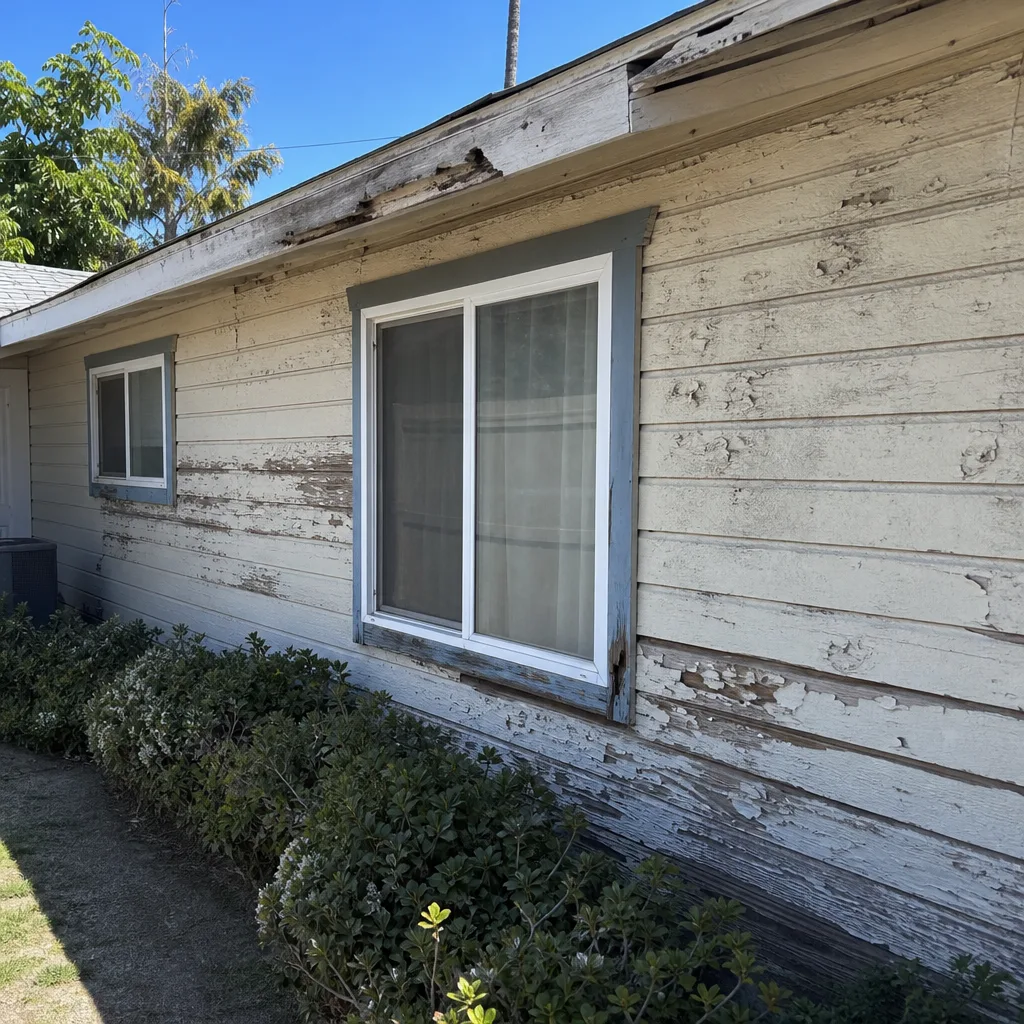 Before
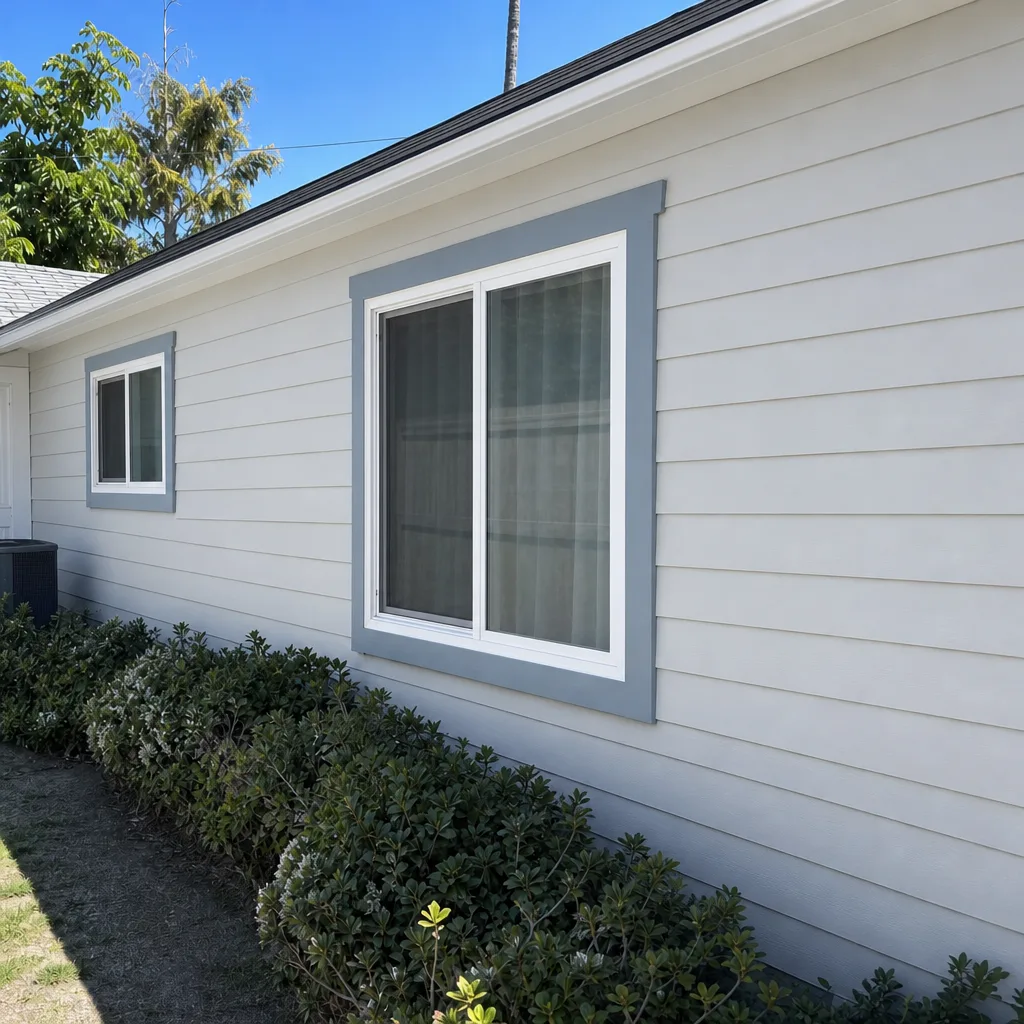 After
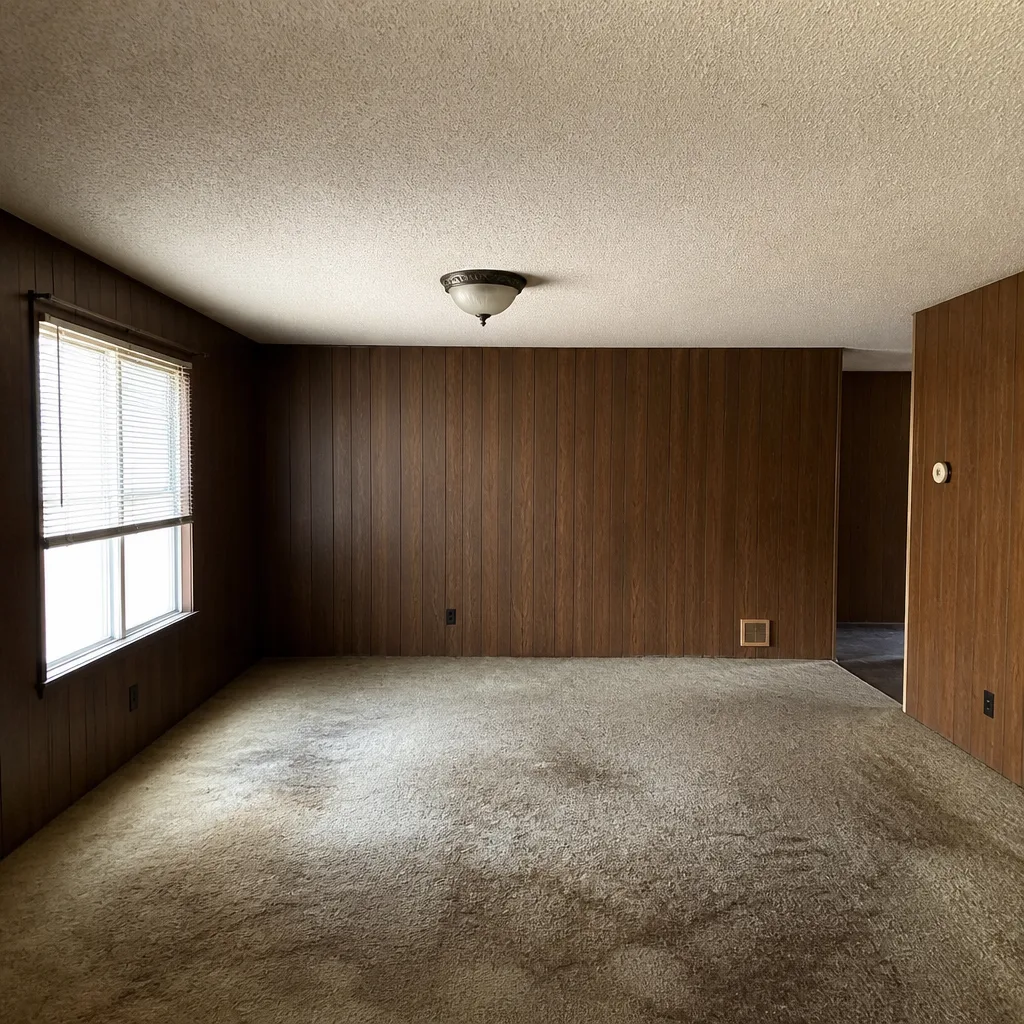 Before
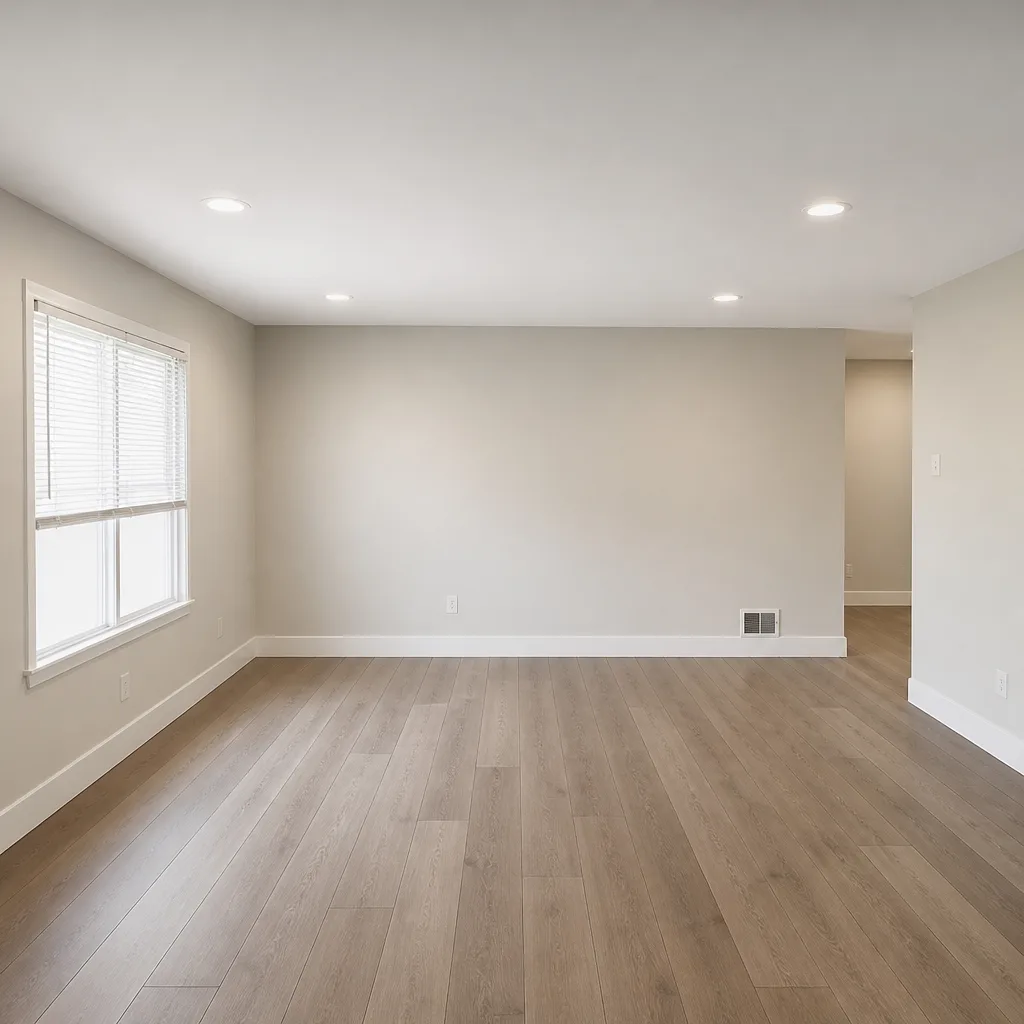 After
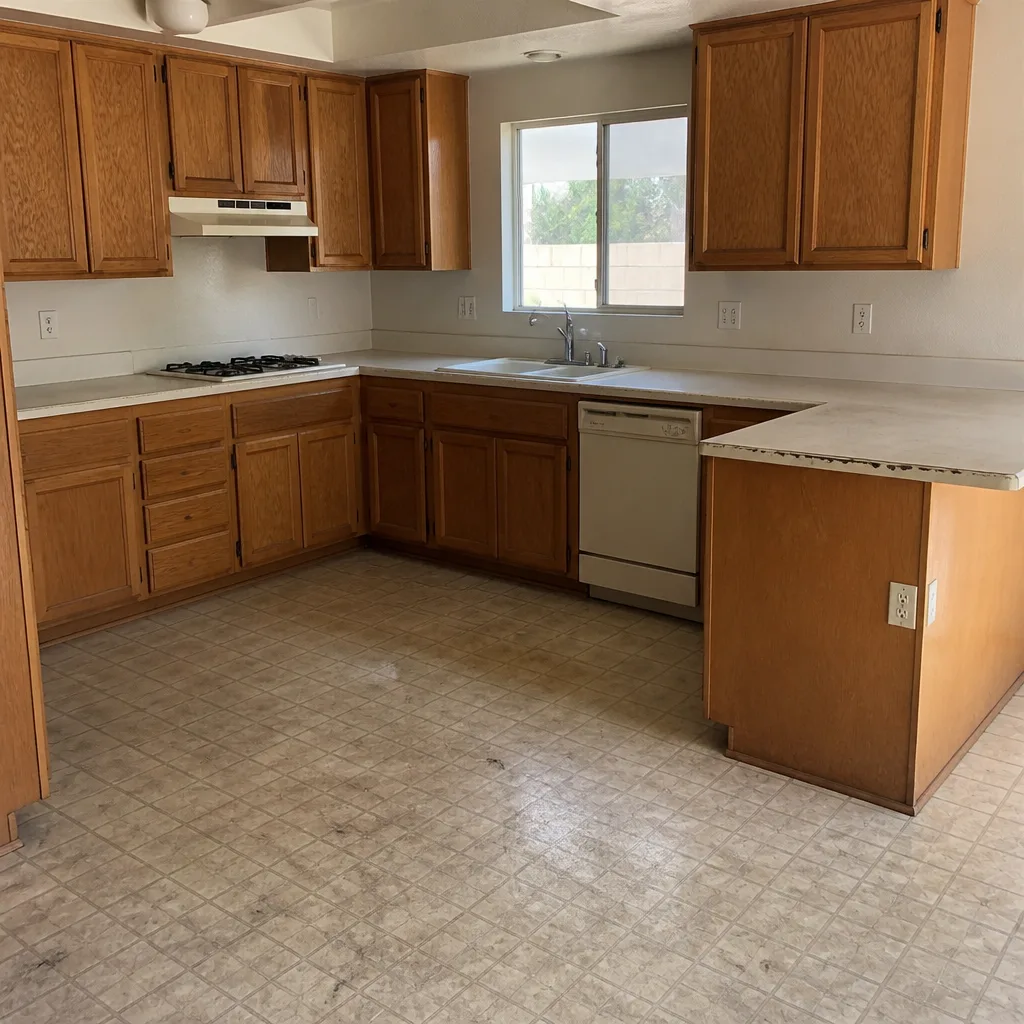 Before
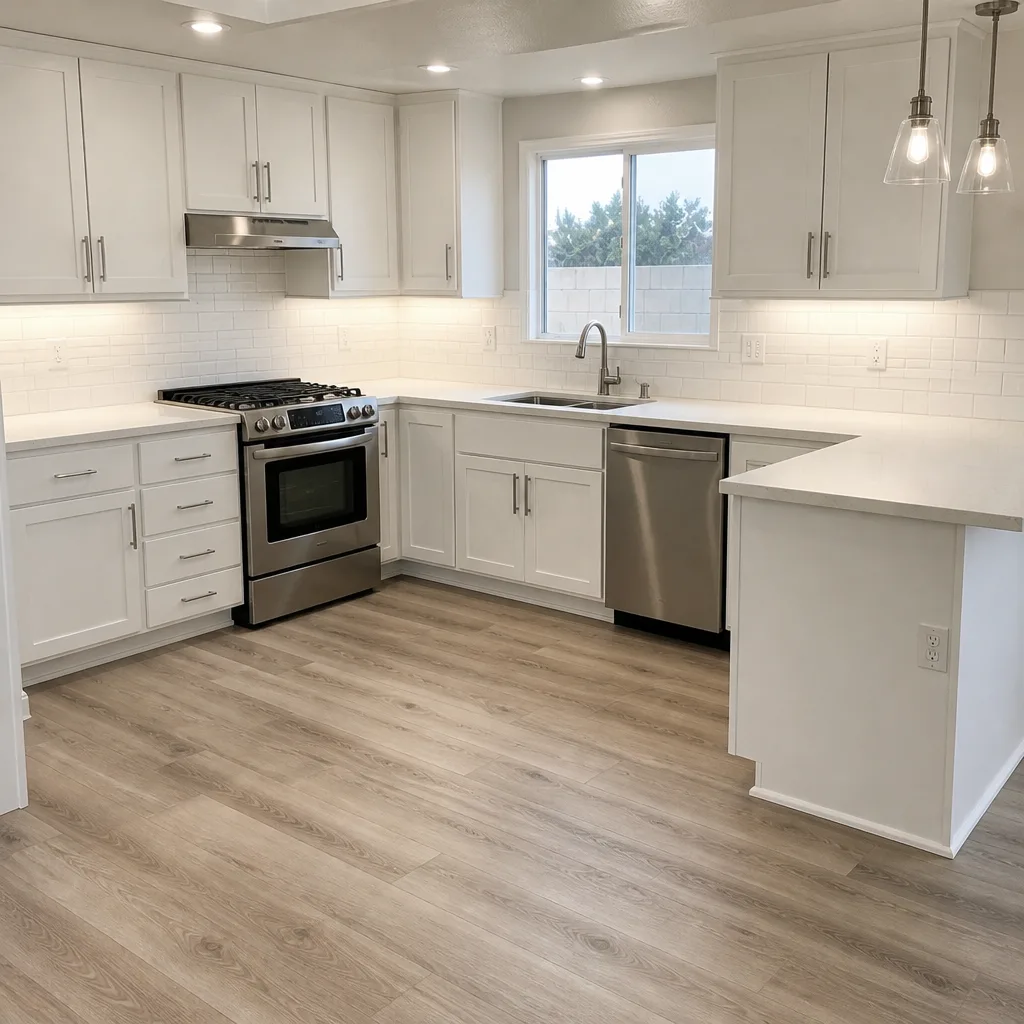 After