
Abodu General Contractor in Garden Grove: A Homeowner’s Guide
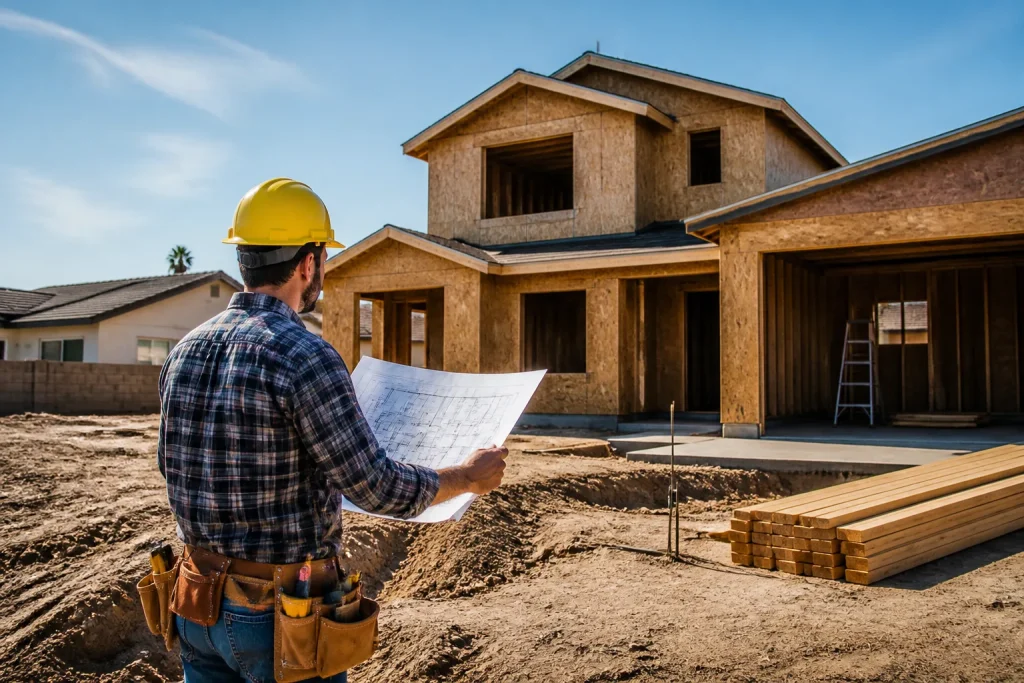
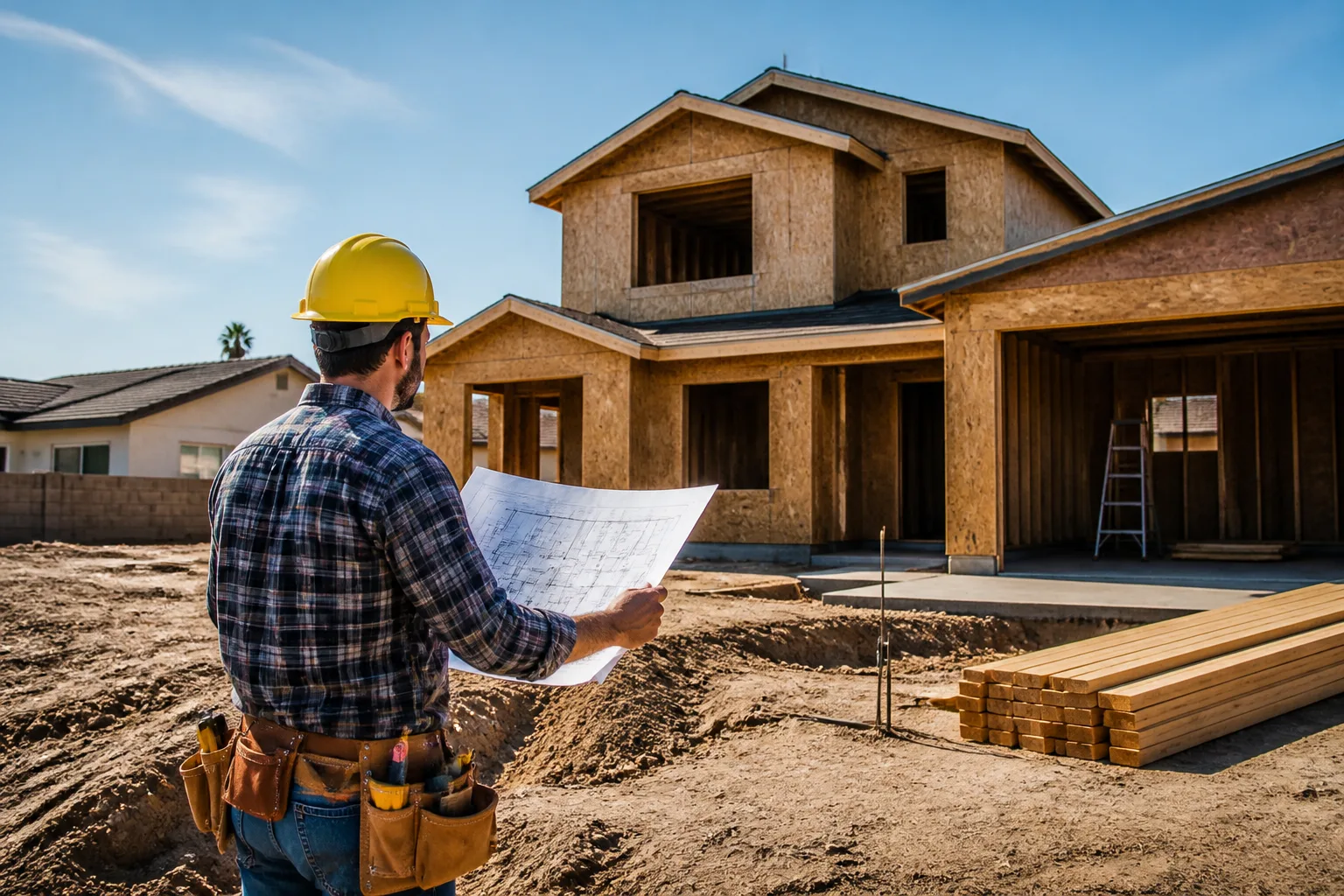
Abodu ADUs are factory-built and delivered in days, but the unit itself is only half the project. In Garden Grove, the foundation, utility trenching, city permits, and setback compliance all require a licensed California general contractor (GC), and Abodu’s own installation specs confirm this. Skip that step and you’ll end up with a very expensive shed sitting on a slab that’s not code-compliant. If you’re planning an Abodu in Garden Grove, the GC you pick determines whether this takes four months or fourteen. If you’d rather skip the research phase, call Garden Grove Contractors home team directly at (877) 373-9230.
Key Takeaways
- Abodu handles the modular unit. A licensed California GC handles everything else: site prep, foundation, utilities, and permits.
- Garden Grove’s ADU setback rules and FAR limits are stricter than most Orange County cities, and they affect which Abodu footprint fits your lot.
- Utility connections (water, sewer, power) are sequenced by the GC before Abodu’s team ever arrives. Get this wrong and you’ll lose weeks.
- Rental versus owner-occupied status changes your ADU’s permit requirements in Garden Grove. Your GC should flag this before you finalize placement.
What Abodu Actually Delivers – and What It Doesn’t
Abodu’s marketing is smooth. You pick a model, they build it in a factory, and a crane sets it on your property a few months later. The part most Garden Grove buyers overlook: Abodu delivers the structure. The site is your problem.
Abodu’s own installation requirements state that a licensed general contractor must handle site preparation, foundation work, and all utility connections before and after delivery. That means grading, excavation, concrete or pier foundations, trenching for water and sewer lines, electrical service upgrades, and final utility hookups once the unit is set. None of that is in the Abodu price tag.
In California, this work requires an active general contractor’s license (Class B) for the overall project management, with licensed subcontractors (C-10 electrical, C-36 plumbing, C-8 concrete) performing the trade-specific work. A homeowner pulling an owner-builder permit is technically possible in Garden Grove, but the city scrutinizes owner-builder ADU permits more closely than most people expect, especially for utility connections.
Here’s what we tell every Garden Grove homeowner considering an Abodu: budget 20 to 35 percent of the total project cost for site work. That’s grading, foundation, utilities, and the coordination labor. It’s not a hidden fee from the GC. It’s the work that exists whether you buy an Abodu, a Dvele, or a Mighty Buildings unit. We’re a General Contractor in Garden Grove that manages this entire scope under one contract, which is the only way the timeline stays predictable.
Garden Grove’s ADU Rules: Setbacks, FAR, and Why the Abodu Footprint Matters
Garden Grove follows California state ADU law but layers on local zoning restrictions that catch buyers off guard. State law allows ADUs in residential zones statewide, but Garden Grove’s municipal code dictates how close you can build to property lines, how much of your lot can be covered by structures, and how tall your ADU can be.
The standard Abodu models run from about 350 to 750 square feet. A 500-square-foot one-bedroom unit with a 35-foot length will clear most Garden Grove setbacks if you position it in the rear yard. But corner lots, oddly shaped parcels, and homes with existing patio structures or detached garages create real constraints. Garden Grove enforces a floor area ratio (FAR) limit on total structures per lot, so a house that’s already been expanded may not have room for the Abodu footprint you want without a variance.
A GC with Garden Grove-specific ADU experience will measure your lot, check the FAR limit, confirm side and rear setback requirements, and tell you which Abodu model fits before you sign a purchase agreement. We’ve worked with six prefab manufacturers including Abodu, so we know the standard footprints and which ones clear Garden Grove’s rules. For broader home remodeling work that pairs with an ADU, the same site analysis applies.
One thing buyers rarely consider: Garden Grove requires that an ADU match the primary residence’s roofline or architectural style in some neighborhoods. Abodu’s modern, flat-roof aesthetic sometimes triggers design review, and a GC who knows the city’s planning staff can advise whether you should expect questions or a smooth approval.
Utility Sequencing: Where Abodu Projects Go Wrong in Garden Grove
The most common delay in an Abodu ADU project isn’t the factory. It’s the utility trench. Garden Grove’s water service (through the Garden Grove Unified School District’s water division, or GGUSD Water, depending on your address) and Southern California Edison (SCE) both require separate inspections and approvals before any underground work is covered. If your GC sequences these incorrectly, you’ll dig the same trench twice.
Here’s the order that works in Garden Grove:
- Site and foundation permits from the city before any grading or concrete work begins.
- Utility trenching and rough-in for water, sewer, and electrical conduits while the foundation is being formed. This requires the GC to pull the right permits from both GGUSD Water and SCE.
- Rough inspections by the city and utility providers before covering any trench.
- Abodu delivery and set after the foundation passes inspection and utilities are stubbed out.
- Final hookups and final inspections by the GC after Abodu’s team leaves. This includes connecting the unit to sewer, water, and power, then scheduling Garden Grove’s final building inspection.
A GC who’s never done an ADU in Garden Grove will underestimate the lead time on SCE electrical service upgrades. If your existing panel can’t handle the ADU load, you’re looking at a service upgrade that adds 4 to 8 weeks depending on SCE’s schedule. An experienced GC starts that process the day the permit is pulled, not after the foundation is poured.
This is where single-source accountability earns its keep. You don’t want a plumber blaming the electrician while your trench sits open through a February rain. Our Garden Grove clients learn this project structure applies to additions and remodels too: the sequence, not the individual tasks, is where contractors make their money or lose it.
Owner-Occupied vs. Rental: What Your GC Should Flag Before You Finalize Placement
Garden Grove, like many California cities, treats owner-occupied ADU projects differently from rental ADUs. State law now allows both, but the distinction affects parking requirements, utility meter options, and even the ADU’s location on the lot.
If you plan to live in the main house and rent the Abodu, Garden Grove may require a separate utility meter for the ADU in some circumstances, which adds electrical and sometimes water sub-metering costs. If you’re building the ADU for a family member and it’s owner-occupied, the requirements are lighter. A GC who asks “who’s living here?” before finalizing the site plan is the GC you want. That one question changes the parking calculation, the sewer connection method, and the meter setup.
We ran into this recently with a homeowner near the Garden Grove Park area. They’d picked an Abodu model and placed it near the rear property line. During our site audit, we realized their existing driveway width wouldn’t satisfy Garden Grove’s parking replacement rule if the ADU became a rental. We shifted the unit 6 feet and saved them a variance hearing. Simple fix, but only if someone catches it before the concrete goes in.
Your GC should also walk through Garden Grove’s ADU inspection checklist with you before construction starts. The city’s building department flags missing documentation early, and a pre-review meeting with your GC can identify which items will trigger questions. When to call a pro: the day you start considering an Abodu. Site planning, permit sequencing, and utility coordination are not DIY projects, and the cost of a mistake is measured in months, not dollars.
How an Experienced GC Structures the Abodu Timeline in Garden Grove
The two most common permit hold points in Garden Grove are utility plan review and final inspection scheduling. An experienced GC anticipates both. Here’s how we structure a typical Abodu project to avoid them:
Weeks 1-4: Pre-construction and permitting. We pull site plans, submit to Garden Grove’s building department, and file utility applications with GGUSD Water and SCE simultaneously. Most delays happen when someone files sequentially instead of in parallel.
Weeks 5-8: Foundation and utility rough-in. Excavation, forming, concrete, and underground utility work. This phase moves fast if the permits were sequenced correctly.
Weeks 9-10: Abodu delivery and set. The factory delivers, the crane places the unit, and our team handles final utility connections within days of delivery.
Weeks 11-14: Final inspections and closeout. Garden Grove schedules final inspections in batches, so we batch our ADU projects with other active permits to get faster inspection slots. It’s a small thing that saves real weeks.
On the material side, ADU projects often trigger related scope: a new kitchen in the main house, a patio connecting the two structures, or refreshed hardscape around the new unit. We spec materials the way our Garden Grove clients expect: Cambria or Silestone quartz for kitchen counters, Kohler or Moen fixtures for baths, and Belgard pavers where the ADU meets the yard. When the entire project runs through one contract, these decisions happen once, correctly, not at the end when everyone’s tired.
The Bottom Line
An Abodu ADU in Garden Grove is a great option for homeowners who want a predictable build without the chaos of a full custom addition. But the unit is one piece of a much larger site work puzzle. Foundations, setbacks, FAR limits, utility sequencing, and rental-versus-owner questions all live with the general contractor, not with Abodu. Choose a GC with Garden Grove-specific ADU experience, and the project stays on schedule. Choose wrong, and a four-month project becomes a year-long headache.
If you’re in Garden Grove and planning an Abodu, or any ADU, the first step is a site audit. We’ll walk your lot, check setbacks and FAR, and tell you exactly what’s feasible before you commit to a unit. Garden Grove Contractors offers free estimates – call (877) 373-9230 and we’ll schedule a time that works for you.
Frequently Asked Questions
How much does an Abodu ADU cost in Garden Grove?
Total cost typically runs $280,000 to $420,000 including site work, depending on the Abodu model, foundation type, utility connection distances, and any electrical service upgrades. Site work alone usually ranges from $60,000 to $110,000 in Garden Grove. The unit itself is a fixed price from Abodu; everything else is GC scope. Call (877) 373-9230 for an exact quote after a site visit – estimates are free.
Do I need a general contractor if I buy an Abodu?
Yes. Abodu’s installation requirements specify that a licensed California general contractor must manage site prep, foundation work, utility connections, and final hookups. Attempting this work owner-builder is legal in Garden Grove but triggers additional scrutiny, especially on utility connections. A Class B GC with ADU experience handles the full scope under one contract.
What Garden Grove permits are required for an Abodu?
You need a building permit from the city of Garden Grove, utility permits from the water district (GGUSD Water for most addresses) and Southern California Edison, and potentially a zoning review if the unit triggers design standards. Your GC pulls these in parallel to avoid sequential delays. Garden Grove’s building department also requires final inspections before the ADU is legal to occupy.
How long does an Abodu project take in Garden Grove?
Plan on 14 to 18 weeks from permit submission to final inspection. Factory build time runs concurrently with site work, but utility plan review, SCE service upgrades, and Garden Grove’s inspection scheduling are the three variables that determine your actual timeline. An experienced GC batches inspections and files utility applications early to compress these delays. For a specific timeline on your lot, call (877) 373-9230 for a free site evaluation.
Written by the team at Garden Grove Contractors, serving Garden Grove since 2017.
Need Construction Help?
Call Garden Grove Contractors - licensed & insured, with free written estimates in Garden Grove.
(877) 373-9230